

Speeding Up Your Baking Line Without Burning the Batch
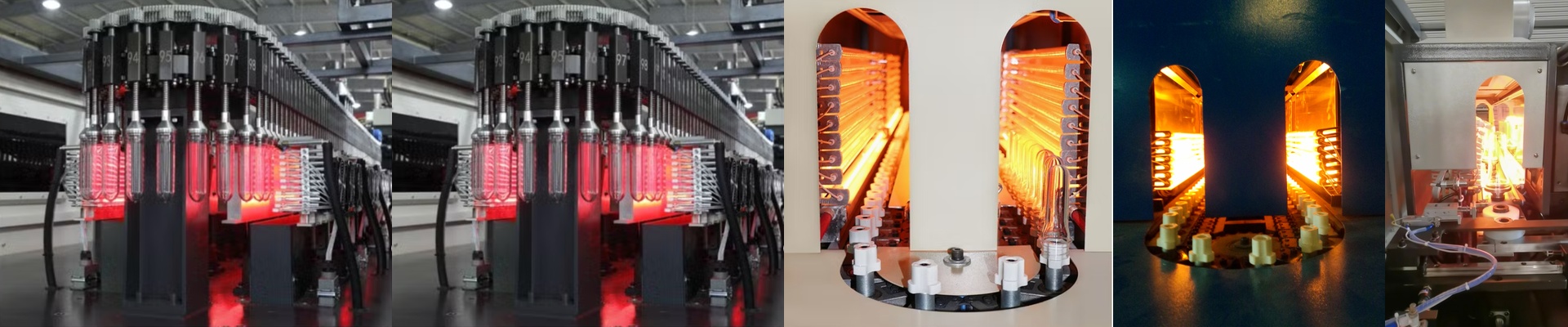
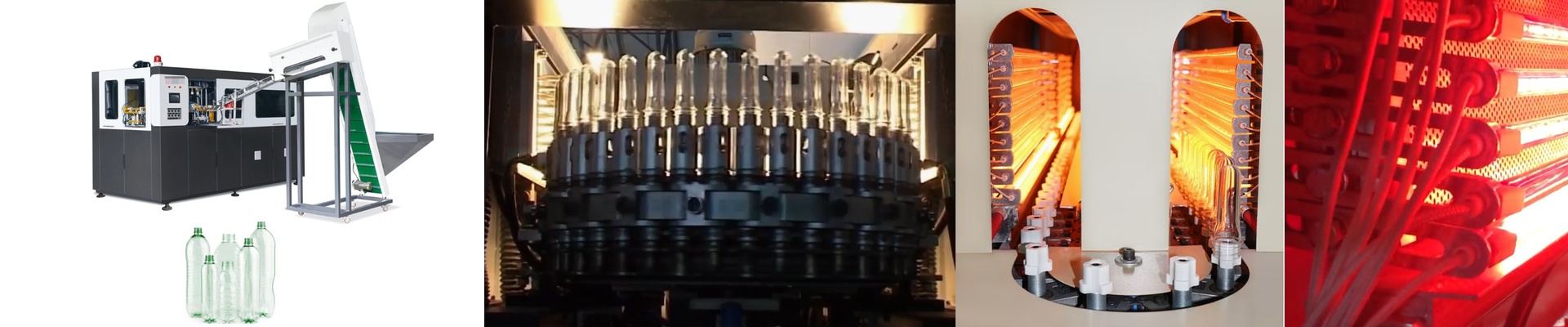
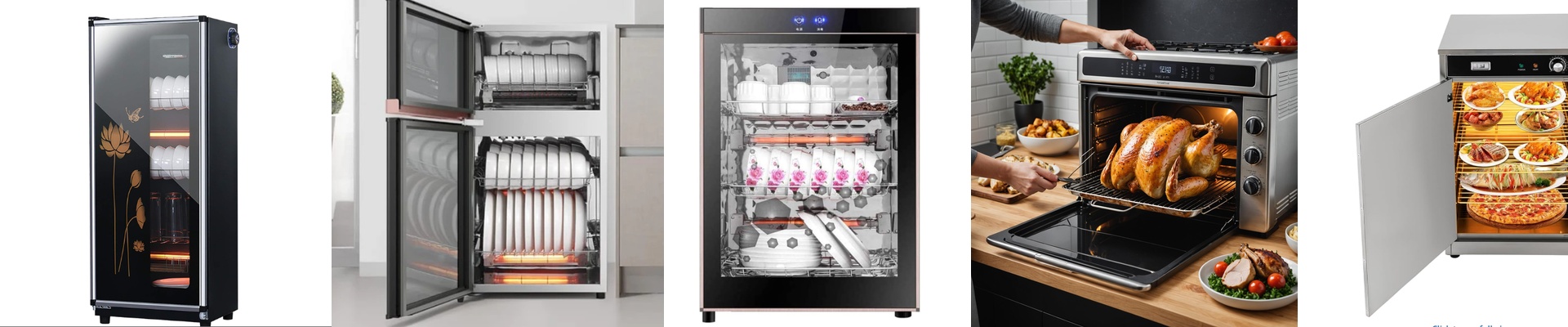
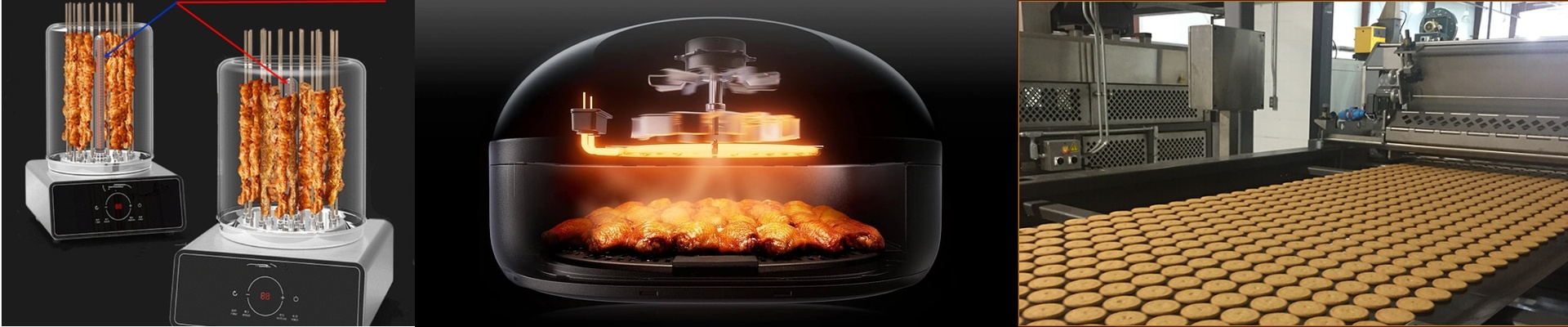
If you’ve ever tried to push more product through an industrial baking line, you know exactly where the bottleneck is. It’s always the heating stage. Most shops rely on convection ovens, which basically just blow hot air around. It works, but it’s slow. If you want to get more parts per minute without the line grinding to a halt, you have to stop relying on air and start using shortwave infrared (IR) radiation. Why IR actually works Here is the thing about hot air: it takes time to move and time to soak in. IR is different. It doesn’t need a “middleman” to carry the heat; it just hits the product surface instantly. When you put high-density IR lamps in your heat bridge, you kill that annoying “warm-up” lag you get in traditional tunnels. We’re talking about ramping up temperatures in seconds. It’s a completely different pace. Picking the right gear To really crank up the speed, you need a lot of power packed into a small space. That’s why we usually go with quartz-halogen tubes. They create a steep thermal gradient, which is just a fancy way of saying they get the core of your product to the right temperature even while the conveyor is flying. But a word of caution: check your power grid. You don’t want voltage drops crashing your system. And since these lamps get incredibly hot, your housing is going to take a beating. Make sure your cooling fans are actually beefy enough, or you’ll watch your reflectors warp right in front of you. Setting it up and keeping it running We use standardized connectors because nobody wants to tear down an entire bridge just to fix one part. If a lamp burns out, you just swap it and get back to work. The best part? Shortwave IR lets you shrink the actual heating zone, which frees up a ton of floor space. Just keep an eye on your belt speed. If you push the conveyor too fast, the IR won’t have time to penetrate the center. You’ll end up with a product that looks perfectly charred on the outside but is totally raw in the middle. It’s all about finding that sweet spot between your wattage and your line speed.