Introduction
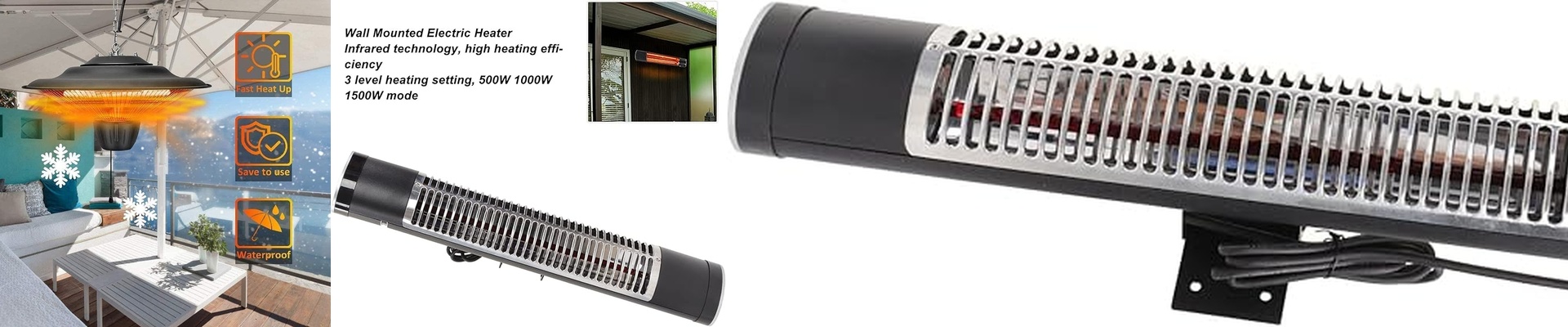
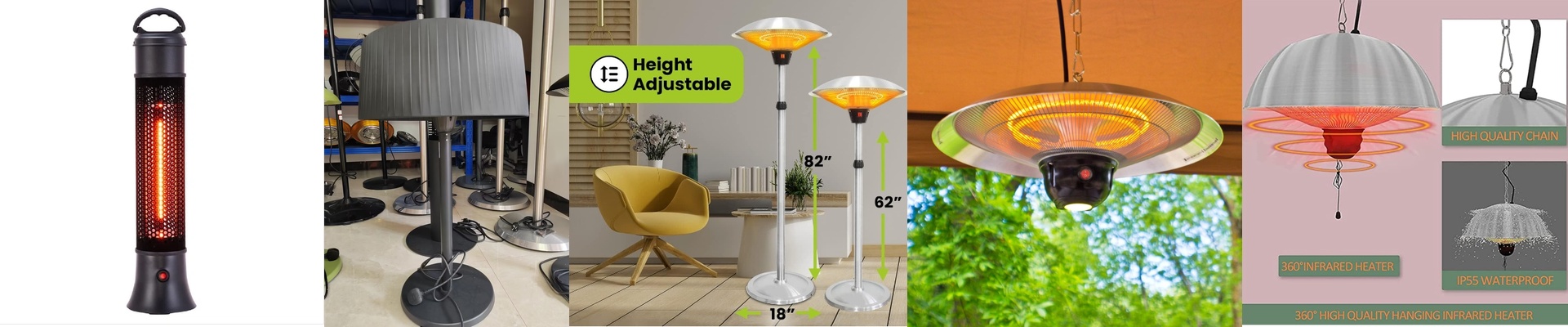
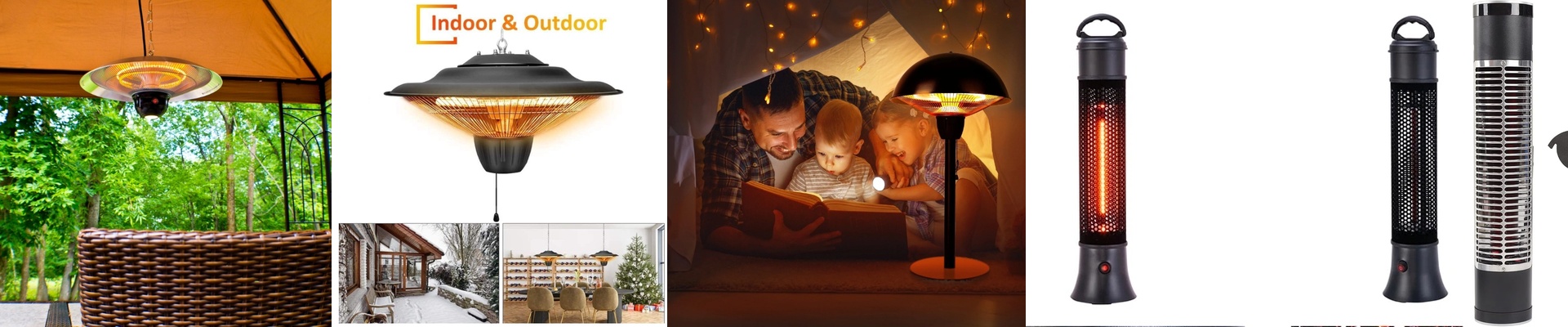
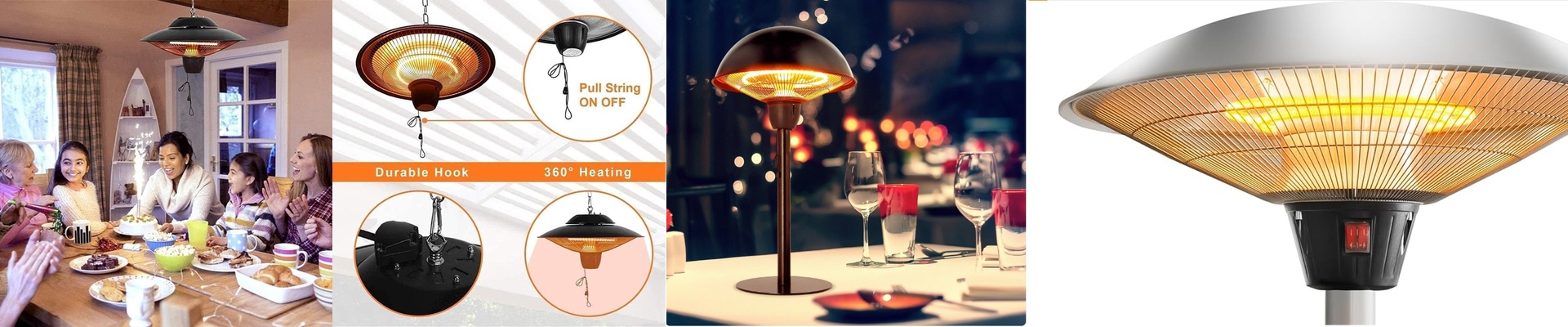
You know that feeling when you step into your basement and it just hits you—cold, damp, and kind of… unwelcoming? We felt it too. That’s exactly why we built this low-power, wall-mounted infrared heater. It was made for basements—the kind of spaces that never seem to dry out or warm up. Instead of pushing out noisy, moisture-laden air like those forced-air units, this thing gives off radiant heat. It warms you, your furniture, even the walls—directly. No drafts. No racket. And it doesn’t stir up humidity. Just quiet, steady warmth.
What Makes It Tick
Here’s the thing—this heater was designed to be practical. Really practical. It doesn’t hog power, so it plays nice with your home’s standard electrical setup. No need to rewire half your house. And because it mounts right on the wall, you keep your floor space free. Super important when you’re working with a tight basement layout. It runs on a stable voltage too, so installation is straightforward. No overthinking, no guesswork—just the wattage you need, when you need it.
The Heart of the Matter
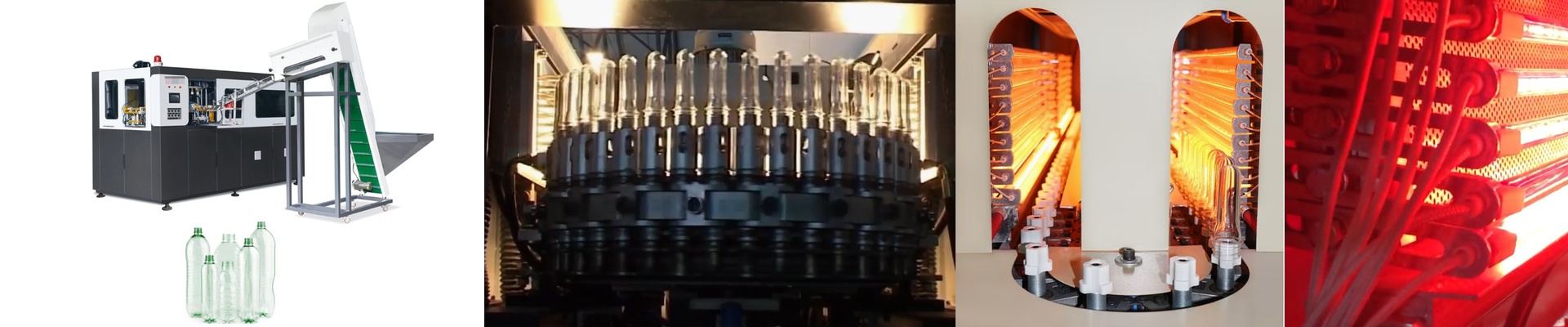
At the core of this heater is a quartz tube with a halogen element inside. Sounds technical, but here’s what it means for you: that halogen gas inside helps protect the heating element, so it lasts longer and keeps delivering consistent heat. The tube itself is coated to focus the infrared heat where you want it—not wasted on the ceiling or the far corner. And the connectors? They’re made for quick, solid hookups. You get it mounted and wired fast. No fussing around.
Why It Works So Well in Basements
Basements have two big enemies: cold surfaces and moisture. Radiant heat tackles both. By warming up walls, floors, and objects, it helps cut down on that clammy feeling and the condensation that comes with it. And because it doesn’t blow air, it’s whisper-quiet. Perfect for finished basements, bedrooms, or any space where you want warmth without the background hum. The wall-mount design keeps it out of your way, and the low power draw means you’re not sweating the monthly bill. Now, one thing to keep in mind—radiant heat warms people and objects directly, so the air temperature might read a bit lower than what you’d expect from a forced-air system. But that’s actually the point. You feel the warmth where you are. Just plan your mounting height and angle to cover the spots you use most.