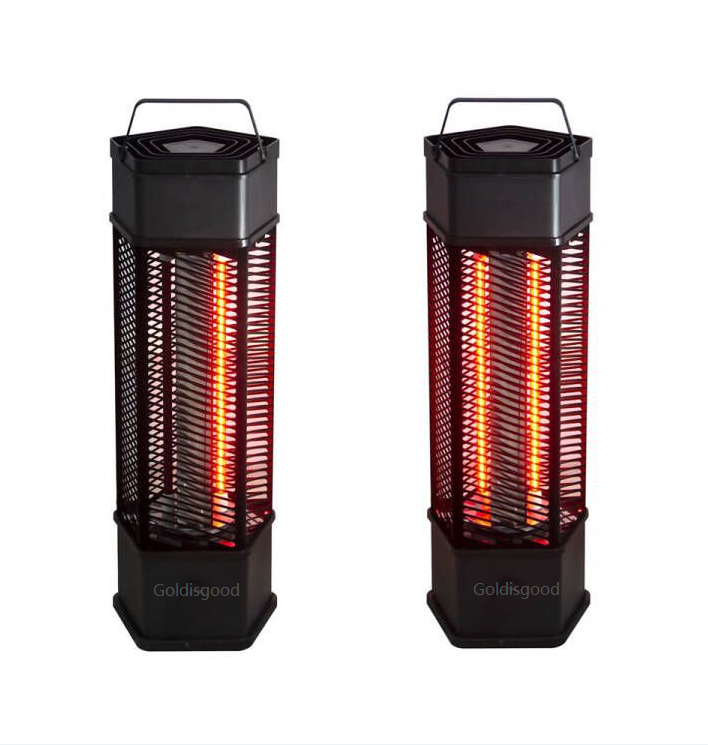
Introduction
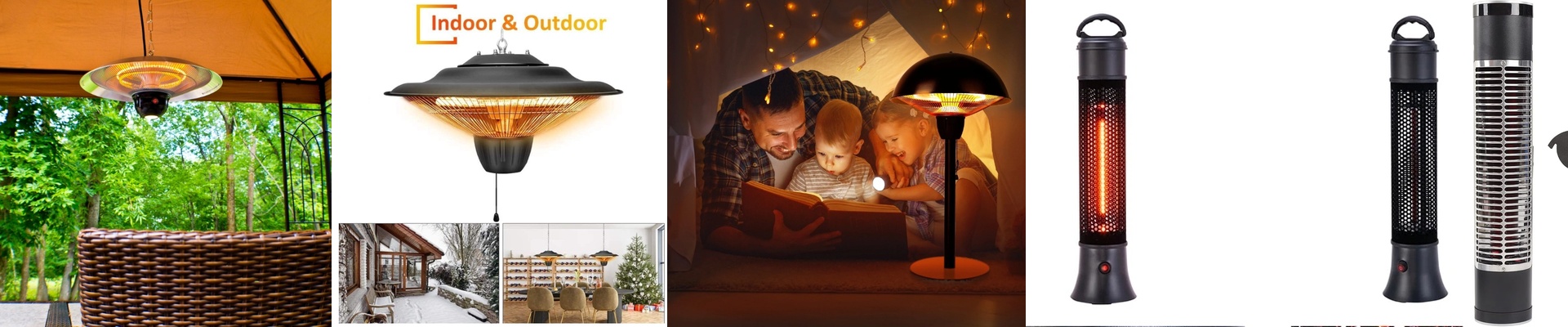
When you’re responsible for heating a big public building, you can’t afford to play guessing games. Municipal heating has to work. Period. It needs to be reliable, easy to control, and—let’s be honest—not break the bank. That’s why we build our infrared heaters like they’re going to work a lifetime. They come with integrated overheat protection baked right in. It’s not an add-on. It’s essential. It keeps the system from running wild, which protects the equipment and keeps everyone safe. And the beauty of these units? They don’t waste energy heating empty air. They cut right to the chase, warming the people and the floors directly.
Let’s Talk Tech: Power, Voltage, and Size
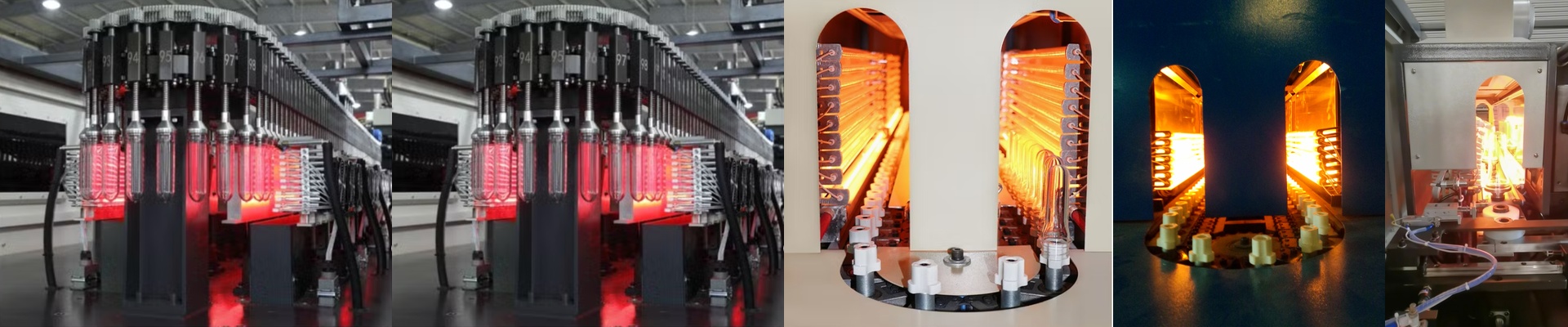
Here’s the thing about infrared heat: it works by radiation, not by warming up the air. That means the power and electrical specs really matter when you’re trying to get a huge space warm quickly. Inside, you’ve got a high-wattage halogen element. We’re talking 1000W to 2500W. They run on either 220V or 400V three-phase power. The higher voltage option is a smart move in big buildings because it lets you push more power without the wiring working overtime. It keeps the voltage drop down, even over long runs. Then there’s the tube length. Our heaters use tubes that stretch from 1000mm to 1500mm. Why does that matter? Because a longer tube gives you a bigger radiating surface. It spreads the heat out more evenly and keeps the surface temperature from getting scorching hot in one spot. When you’re mounting these overhead, you want that blanket of warmth, not a blast of heat in one place.
The Inner Workings: Materials and Design
We put the halogen element inside a quartz tube because it can handle the constant heating up and cooling down without cracking. The halogen gas inside keeps the filament stable, so you get steady, consistent heat over time. We also coat the tube with a reflective layer. It’s a simple detail, but it makes a huge difference. It directs all that infrared energy forward, right where you need it. Less heat is wasted on the mounting bracket or the housing. And when it comes to hooking things up, we don’t cut corners. We use the right connectors for the job. R7s is a solid, two-pin design that locks in tight and can handle serious heat. For industrial settings, we often reach for SK15 connectors. They’re compact, easy to wire, and built to hold up against vibration and the wear and tear of regular maintenance.
Real-World Use: Municipal Buildings and Smart Budgeting
Think about the places we’re talking about—schools, libraries, maintenance shops, transit depots. They’re big, they’re open, and they’re not always full of people. Infrared heat shines here because it targets people and floors directly. That means you can keep the ambient temperature lower and still have everyone feeling toasty. It’s a direct route to cutting down on your kWh usage. The overheat protection brings a sense of order to the whole operation. It stops the heater from pushing past its thermal limit, which protects the element and cuts down on fire risk. Now, a quick heads-up. Higher wattage means you get heat faster, but it also means a higher peak load. So you’ve got to make sure your electrical system is sized correctly. And you need a smart control plan—thermostats, occupancy sensors, and smart duty cycling—to keep everything running safely and smoothly.