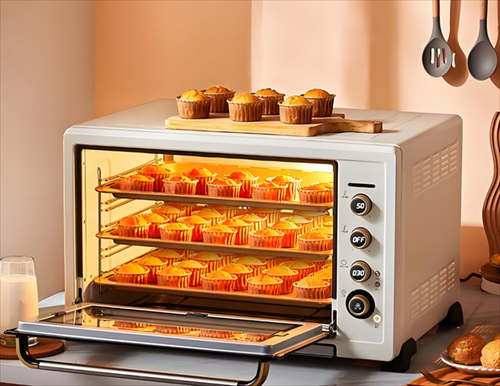
When service hits, the oven isn’t just equipment—it sets the tempo. A deck oven that crawls on heat-up, a rotary that chases the setpoint, a convection that sucks moisture out of the crust—those minutes pile up fast. In a shop built on pizza, bread, and hot holding, the heating element isn’t there just to get hot. It runs the clock, shapes texture, and keeps things consistent. We developed our halogen thermal element for steam ovens and steam-assisted cooking because the old ways—heavy radiant plates, slow recovery, uneven hot zones—don’t cut it when the menu swings from Neapolitan-style pizza to laminated pastries to holding hot food without scorching. Halogen brings fast response, tight control, and clean heat that pairs naturally with steam.
What actually matters, technically
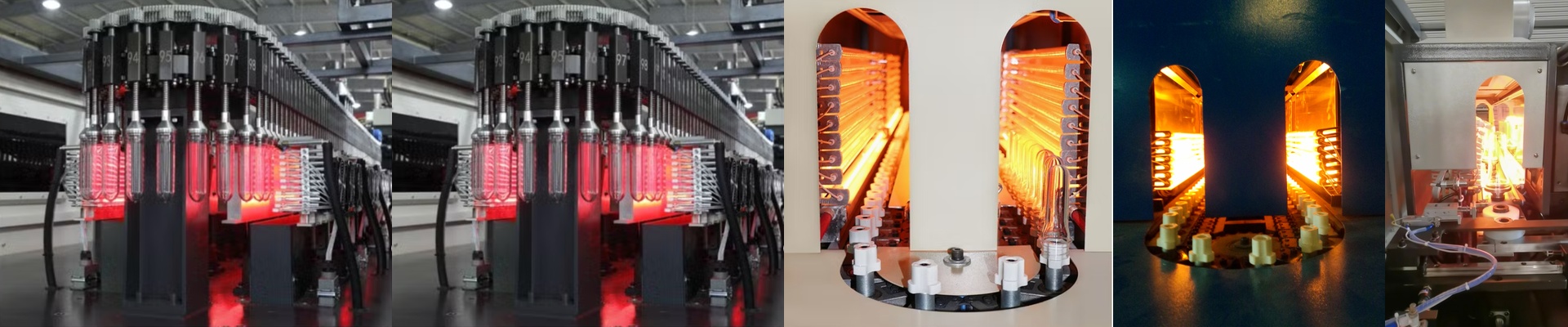
Halogen thermal elements are short-wave infrared emitters: a tungsten filament sealed inside a quartz tube with halogen gas around it. That build lets the filament run extremely hot—typically 2,200–3,000°C—while the quartz transmits the energy efficiently as infrared. In real life, the heat comes on instantly and hits where you need it.
- **Fast start-up:**You get full radiant output in seconds, not minutes. That matters on a stone hearth when the first pizza goes in and the deck is still cold.
- **High power in a small footprint:**Halogen tubes concentrate heat without needing a big mass of material. That’s why they work well in compact baking chambers and zoned heating setups where space is tight.
- **Clean heat profile:**Because the filament runs so hot, the emitted spectrum leans toward short-wave infrared. That penetrates the dough surface quickly and drives rapid surface heating—exactly what you want for blister, caramelization, and crust lift.
- **Steam compatibility:**The quartz envelope and sealed construction are naturally suited to humid environments. Still, we spec robust terminal seals and high-temperature insulators because steam finds weak points fast—especially at the element ends where thermal cycling meets moisture. Electrical specs are chosen for commercial reliability, not for impressive wattage on a spec sheet. Common setups run on 240V or 208V service, with terminations designed for high-temperature wiring and secure mounting inside the oven chamber. Wattage is matched to chamber volume and airflow so the element heats quickly without overshooting the thermostat. In steam-assisted cooking, that control is the point: heat arrives on demand, then holds steady while steam keeps surface drying in check.
Why this makes sense in real kitchens
Pizza: speed without sacrificing the crust
Pizza looks like a temperature problem, but it’s really a timing problem. You need a stone or hearth that can take a hard heat hit and recover fast between pies. Halogen elements deliver a rapid radiant pulse that gets the deck back to work quickly, while steam keeps the crust pliable and prevents toppings from scorching. The payoff is consistent bake times under pressure, and crusts that blister cleanly instead of drying out.
Bread baking: spring and color you can control
Bread needs a strong burst of heat up front to drive oven spring, then stable conditions to finish without tearing. In a steam oven or steam-assisted deck, the halogen element supplies that initial radiant heat while steam hydrates the dough surface. After the first few minutes, the element settles into a steady holding pattern so the crust sets properly and the crumb finishes clean.
Food warming and holding: heat that doesn’t cook the product
Holding hot food isn’t just about temperature—it’s about keeping the texture right. Halogen heat responds quickly, so you can hold at a controlled setpoint without the harsh hot spots you get from oversized, slow-reacting elements. Steam adds moisture to fight drying, and the halogen element keeps things stable so proteins stay juicy and starches stay tender.
Rotary and convection: faster recovery, less air blast
Rotary and convection ovens rely on airflow, but too much air dries product out. Halogen elements bring heat back fast when doors open and loads change, so the baking chamber recovers quickly without cranking the blower. That translates to shorter gaps between bakes, more consistent product, and less energy wasted reheating air.
The details you’ll live with on the line
Halogen thermal elements are straightforward to integrate, but they come with real-world constraints worth planning for.
- **Mounting and clearance:**The quartz tube runs hot, and the radiant field is strong. Keep proper clearance to oven walls, racks, and other components to prevent overheating nearby materials and to maintain even heat distribution.
- **Terminal protection in steam:**Steam is relentless at the terminals. Use high-temperature insulators, secure seals, and corrosion-resistant hardware. Even with good sealing, terminals need clean, dry junction boxes and proper strain relief on the wiring.
- **Thermal shock:**Quartz handles high temperature well, but it doesn’t like sudden shocks. Don’t douse a fully hot element with cold water or hit it with high-pressure cold spray during cleaning. Let it cool, then wipe it down.
- **Compatibility:**Halogen elements are designed for specific chamber geometries and control strategies. They perform best with thermostats or control systems that can keep up with the fast response. If your oven is older or heavily shielded, you may need minor changes to mounting hardware and the wiring route. If your kitchen runs on consistent crust, predictable timing, and equipment that keeps pace with the rush, the heating element is not where to cut corners. Halogen thermal elements in steam ovens deliver fast heat, steady control, and the kind of reliability that shows up on every plate. When you’re ready to spec a solution that fits your oven, your menu, and your service rhythm, we’ll size the element for your chamber, your voltage, and your workflow. No hype—just heat that performs.