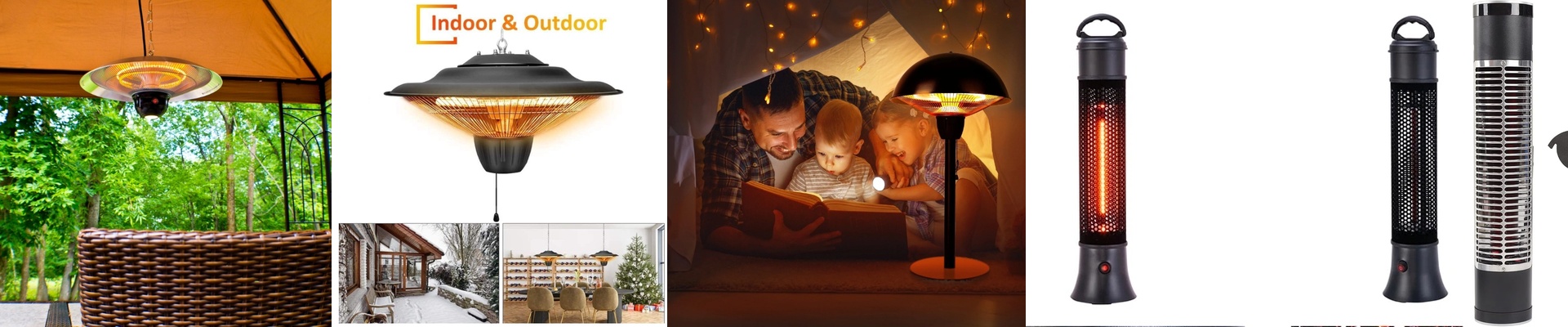
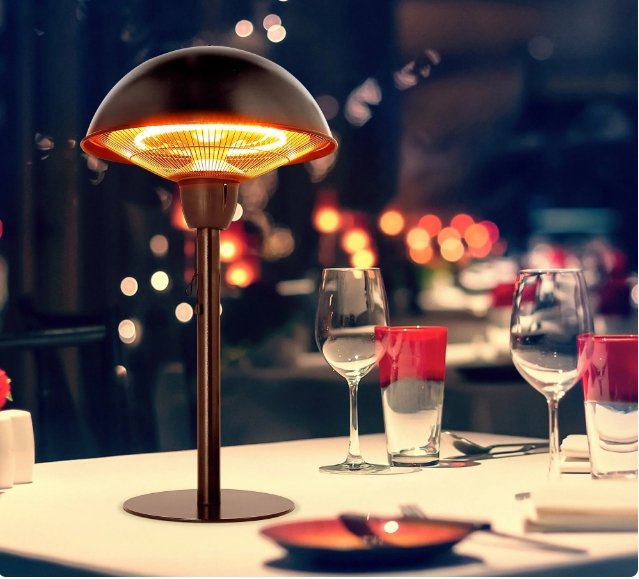
Cold evenings in the living room do more than make hands and feet feel chilled. For older adults, a sudden dip in ambient temperature can set off subtle body responses—blood vessels tighten, circulation slows, and muscles tense up. A conventional fan heater pushes air that rises and cools. Infrared warmth works differently: it delivers radiant heat that warms people and objects directly, the way sunlight feels on a winter afternoon.
What matters, technically
Indoor infrared heaters rely on radiant energy, not air movement, to transfer heat. A carbon fiber or quartz element produces medium-to-long wave infrared that penetrates the skin surface and warms tissues gently. This kind of warmth helps keep peripheral circulation steady, without the abrupt temperature swings that come from blasts of hot air. Most living-room electric infrared units run quietly, plug into standard outlets, and are paired with a thermostat and tip-over protection. Comfort stays consistent, and the unit stays safe.
Why this fits the living room
In a living room where seniors read, watch TV, or play games, infrared heating keeps the air from drying out and cuts down on drafts. The feel is gentle and even, which supports cardiovascular comfort—fewer cold-induced vascular contractions, more relaxed shoulders and limbs, and steadier core warmth. Because the heat is directional, you can place the heater where it’s needed, instead of heating the entire room to a high air temperature. That often translates to lower running costs and steadier comfort over long evenings.
The practical details
Infrared warmth is most effective when the unit has a clear line of sight to the seating area. Walls or furniture can cast “shadows” in the warmth. Plan for a nearby outlet and keep proper clearances around the heater. If kids or pets are around, choose a model with a protective grille. For whole-room comfort, some users pair an infrared heater with a low-speed circulating fan to ease cooler pockets—without the noise of a forced-air heater.
ในช่วงเย็นที่อุณหภูมิในห้องนั่งเล่นต่ำกว่าปกติ จะไม่เพียงทำให้มือและเท้าเย็นเท่านั้น แต่สำหรับผู้สูงอายุ การลดลงอย่างรวดเร็วของอุณหภูมิแวดล้อมจะกระตุ้นการตอบสนองของร่างกายอย่างละเอียด ได้แก่ การหดตัวของเส้นเลือด การไหลเวียนช้าลง และกล้ามเนื้อเกร็ง ตัวทำความร้อนแบบพัดลมทั่วไปจะส่งลมที่ลอยขึ้นและเย็นลง ในขณะที่ความร้อนอินฟราเรดทำงานต่างกันโดยให้อุณหภูมิแบบรังสีที่ทำให้คนและวัตถุได้รับความร้อนโดยตรง เช่นเดียวกับความรู้สึกของแสงแดดในช่วงบ่ายของฤดูหนาว
สิ่งที่สำคัญทางเทคนิค
เครื่องให้อบความร้อนอินฟราเรดในอาคารพึ่งพาพลังงานรังสี ไม่ใช่การเคลื่อนไหวของอากาศในการถ่ายเทความร้อน ชิ้นส่วนคาร์บอนไฟเบอร์หรือควอตซ์จะสร้างคลื่นอินฟราเรดช่วงกลางถึงยาวที่ซึมผ่านผิวหนังและให้ความร้อนกับเนื้อเยื่ออย่างนุ่มนวล ความร้อนชนิดนี้ช่วยรักษาการไหลเวียนของส่วนปลายให้เสถียรโดยไม่มีการเปลี่ยนแปลงอุณหภูมิอย่างฉับพลันซึ่งเกิดจากลมร้อนที่พัดออกมา เครื่องอินฟราเรดไฟฟ้าในห้องนั่งเล่นส่วนใหญ่มักทำงานเงียบ เสียบเข้ากับเต้ารับมาตรฐาน และมีระบบควบคุมอุณหภูมิพร้อมกับการป้องกันการพลิกคว่ำ ความสะดวกสบายจึงคงที่ และตัวเครื่องปลอดภัย
เหตุผลที่เหมาะสมกับห้องนั่งเล่น
ในห้องนั่งเล่นที่ผู้สูงอายุอ่านหนังสือ ดูทีวี หรือเล่นเกม การให้ความร้อนแบบอินฟราเรดจะช่วยรักษาระดับความชื้นของอากาศไม่ให้แห้งและลดการเกิดลมพัดผ่าน ความรู้สึกของความร้อนจะนุ่มนวลและสม่ำเสมอ ซึ่งสนับสนุนความสบายของระบบหัวใจและหลอดเลือด—มีการหดตัวของเส้นเลือดจากความเย็นน้อยลง ไหล่และแขนขาผ่อนคลายมากขึ้น และอุณหภูมิภายในกลางตัวคงที่ เนื่องจากความร้อนมีทิศทาง จึงสามารถวางเครื่องให้อบความร้อนในตำแหน่งที่ต้องการได้โดยไม่ต้องให้อุณหภูมิอากาศสูงทั่วทั้งห้อง ซึ่งมักส่งผลให้ค่าใช้จ่ายในการดำเนินงานต่ำลงและความสบายคงที่ในช่วงเย็นนาน ๆ
รายละเอียดเชิงปฏิบัติ
ความร้อนอินฟราเรดมีประสิทธิภาพสูงสุดเมื่อตัวเครื่องสามารถส่งรังสีไปถึงบริเวณที่นั่งได้โดยตรง กำแพงหรือเฟอร์นิเจอร์อาจก่อให้เกิด “เงา” ของความร้อน ควรวางแผนเต้ารับไฟฟ้าใกล้เคียงและรักษาระยะห่างที่เหมาะสมรอบตัวเครื่อง หากมีเด็กหรือสัตว์เลี้ยง ควรเลือกรุ่นที่มีตะแกรงป้องกันเพื่อความปลอดภัย สำหรับความสบายทั่วทั้งห้อง ผู้ใช้บางรายจะใช้เครื่องให้ความร้อนอินฟราเรดร่วมกับพัดลมหมุนเวียนความเร็วต่ำเพื่อลดจุดเย็นโดยไม่เพิ่มเสียงรบกวนจากเครื่องเป่าลมร้อนบังคับ