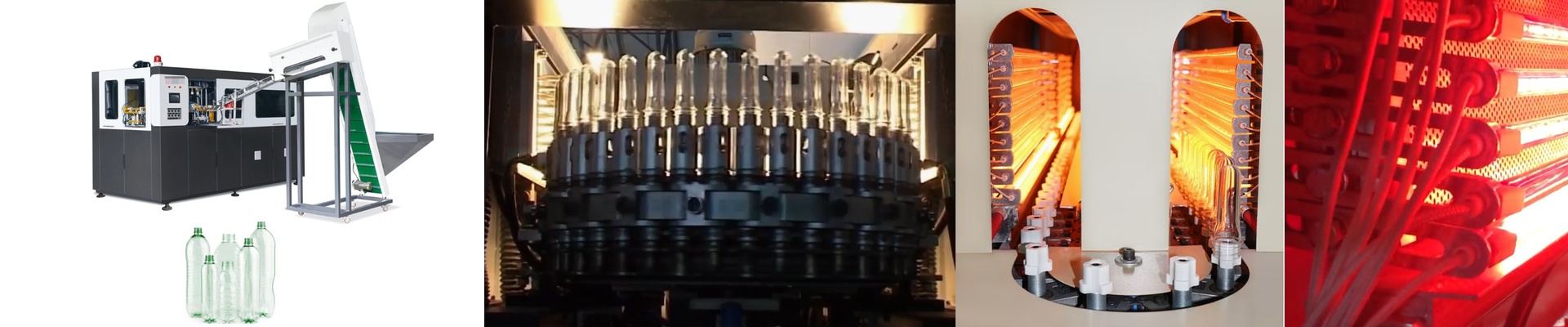

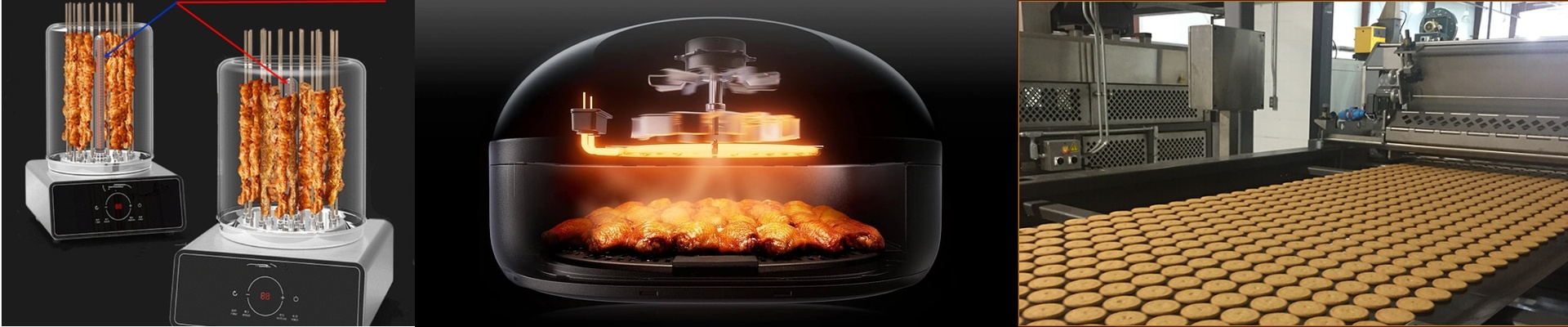
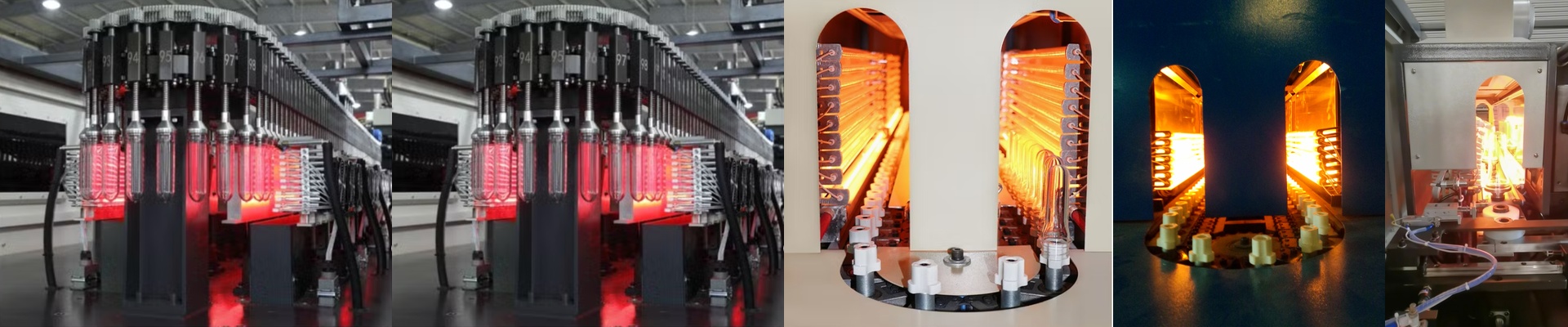
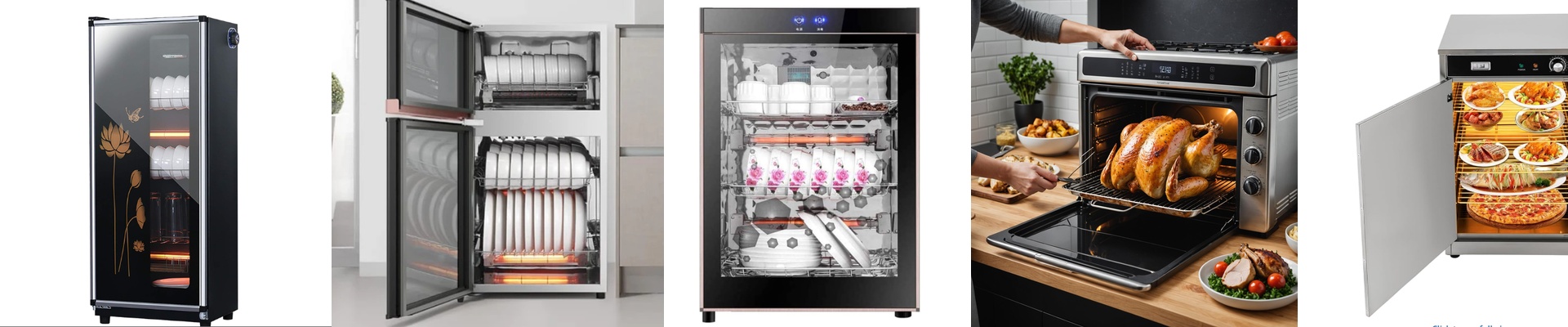

How to actually pick quartz heating tubes for your oven retrofit
Let’s be honest: OEM replacement parts for imported ovens are a rip-off. When the price tag for an original heating element looks more like a car payment than a repair bill, it’s time to look for a drop-in replacement. But here is the catch. You can’t just find a tube that’s the right length and call it a day. If you get the electrical load or the heat output wrong, you’re looking at a fried control board or a batch of undercooked food. Neither is a great way to spend your afternoon. Get the electrical specs right You have to be exact with your voltage and wattage. Period. If you plug a 230V/1000W tube into a 250V circuit, it’s going to burn out way faster than it should. I’ve seen plenty of people ignore those small differences, but that’s how you end up with hot spots in your oven. And don’t forget to double-check your connectors. Whether you’re using an R7s or some custom pin, make sure they fit snugly. If they’re loose, you’ll get arcing under high current, and that’s a recipe for disaster. The deal with quartz and halogen These tubes use high-purity quartz glass because it can handle the “thermal shock” of going from cold to screaming hot in seconds. The halogen part is what keeps the tungsten filament from evaporating too quickly, which means the tube stays clear and the heat stays consistent. You might run into some tubes with specialty coatings. These are designed to help the heat penetrate certain types of food better. Just a heads-up: coated tubes usually don’t last as long as the clear ones. If your oven temperature swings wildly, that coating can actually flake off. The reality of installation These things are incredibly fragile. I can’t stress this enough:**do not touch the glass with your bare hands.**A single fingerprint leaves an oil smudge that creates a stress point. Once that tube hits 500°C, that tiny spot can turn into a crack. Grab some alcohol and a clean cloth and wipe the glass down before you wire everything up. One last thing. These aftermarket parts save you a ton of money, but they’re a bit more sensitive. If your power grid is flaky or your voltage jumps around, the filament might give out sooner than an OEM part would. If you want those long service hours, make sure your power supply is stable.