Introduction
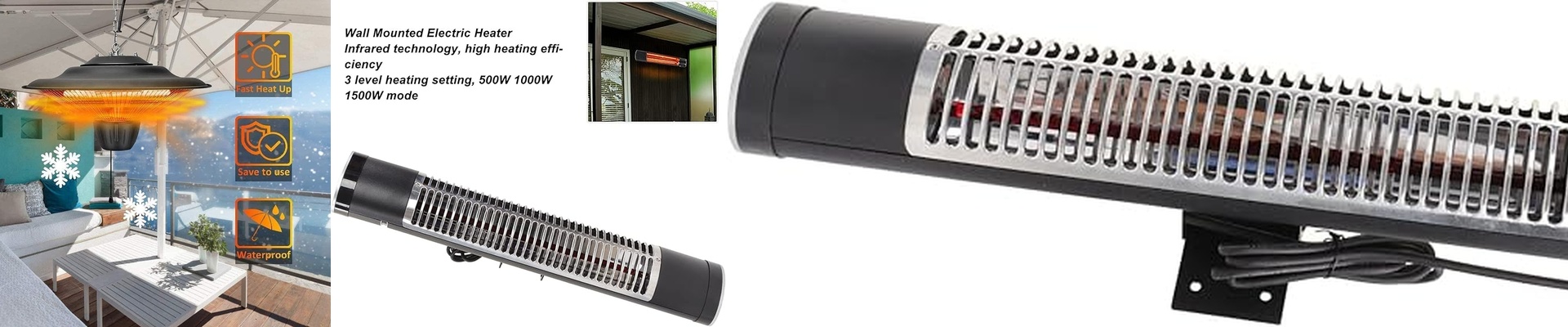
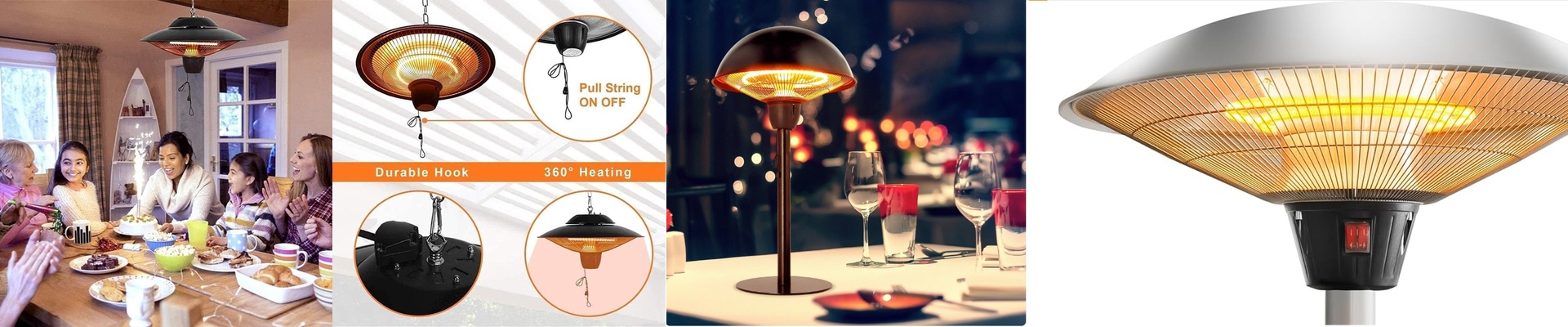
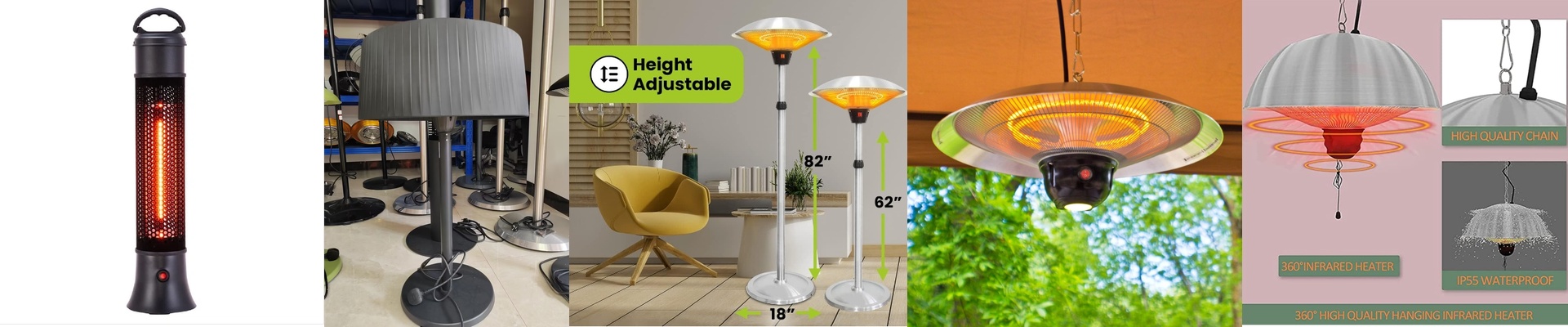
We built this 12V electric heater because RV and off-grid life has a real problem: space is tight, and power is precious. So we made a compact infrared lamp that throws warmth exactly where you need it, without tripping your electrical system. The whole point? Give you steady, focused heat when you’re miles from shore power or a big inverter.
The Inside Story
It runs on 12V DC, so it plugs right into your RV’s house circuit and battery bank. No step-up converter needed. That low-voltage design keeps wiring short and simple, which cuts down on voltage drop and keeps the harness from getting hot. And the size? It slips into tight spots—under a bench, beside a bunk, even inside a storage locker—without crowding your living space. The warmth is directional. It heats people and surfaces directly, not the air around them. So you feel it fast. This lets you back off the main cabin heater and still stay comfortable. And when every amp matters, that makes all the difference.
What It’s Made Of
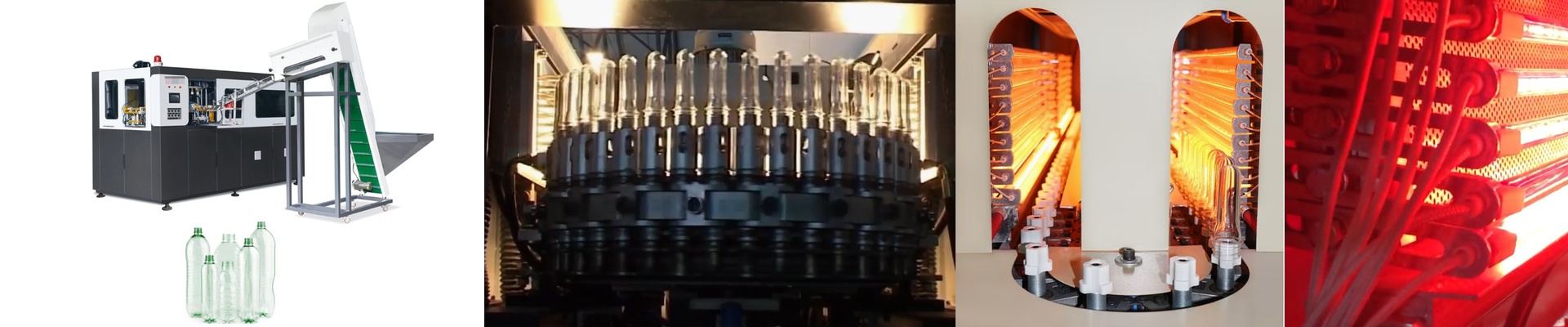
We built it with an infrared element inside a quartz housing. Why? Because quartz handles rapid heating and cooling without cracking, and it shakes off road vibration. The element is shaped to spread heat evenly, so you don’t get hot spots that could age nearby materials. The 12V connection is designed for real-world installs—simple terminals or a tough plug you can service with basic tools. The outer shell stays cool to the touch, and inside, everything is secured against movement and shock.
Real-World Use
In an RV, this heater gives you comfort without draining your battery. It warms you directly, so you can run your main heater less and stretch the time between charges. Installation is straightforward: mount it, run the right gauge wire, and make a secure connection. Now, the trade-off: infrared warms what it hits, not the whole room. For the best results, point it where you sit or sleep. A small fan helps gently mix the air. Keep the wire runs short, and fuse the circuit for safety. That’s how you keep heat reliable when the grid stays far behind.