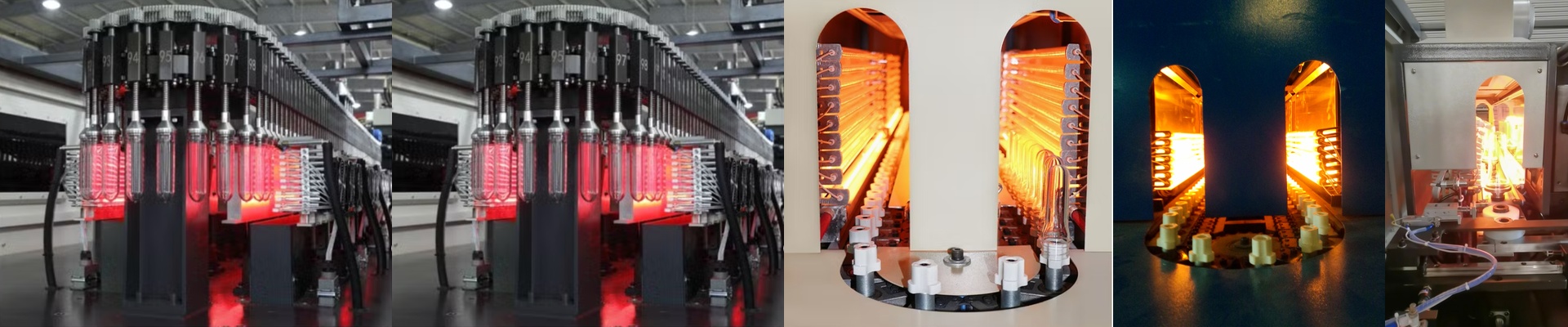
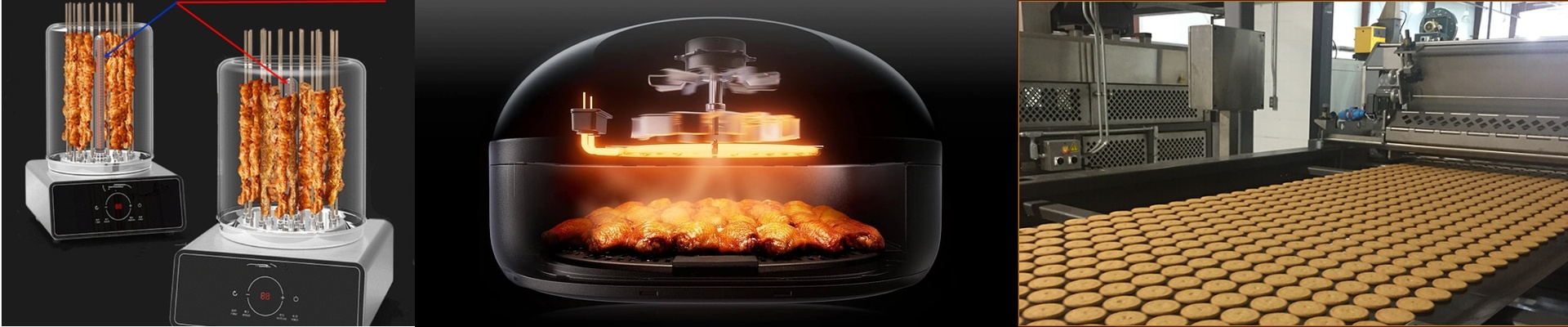
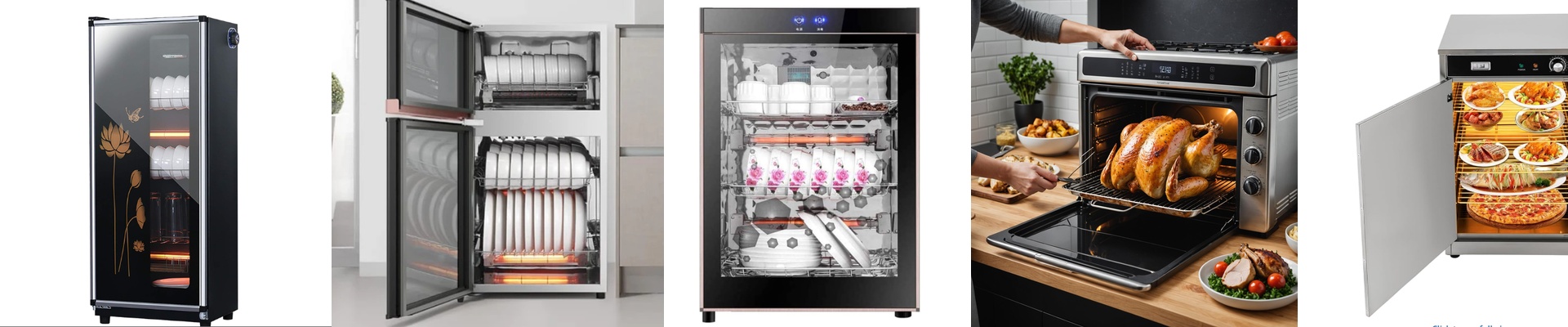
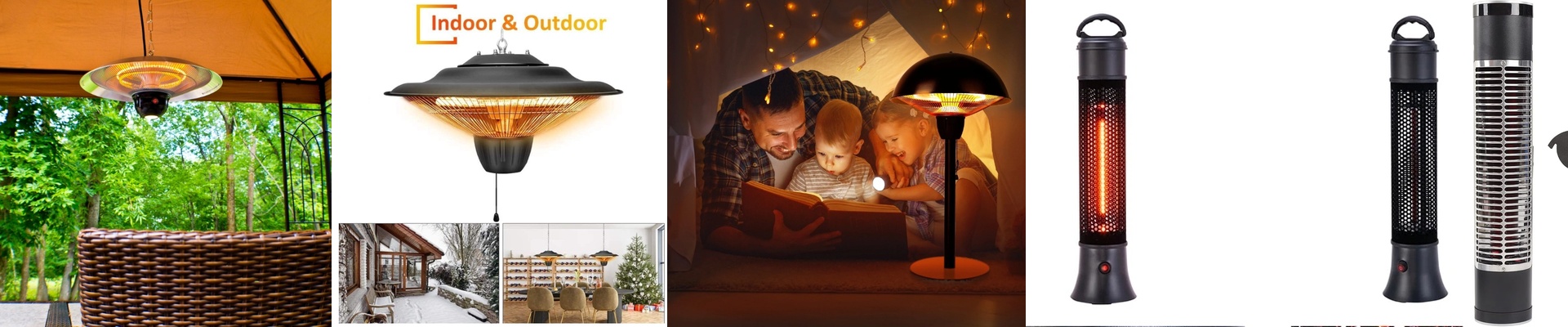
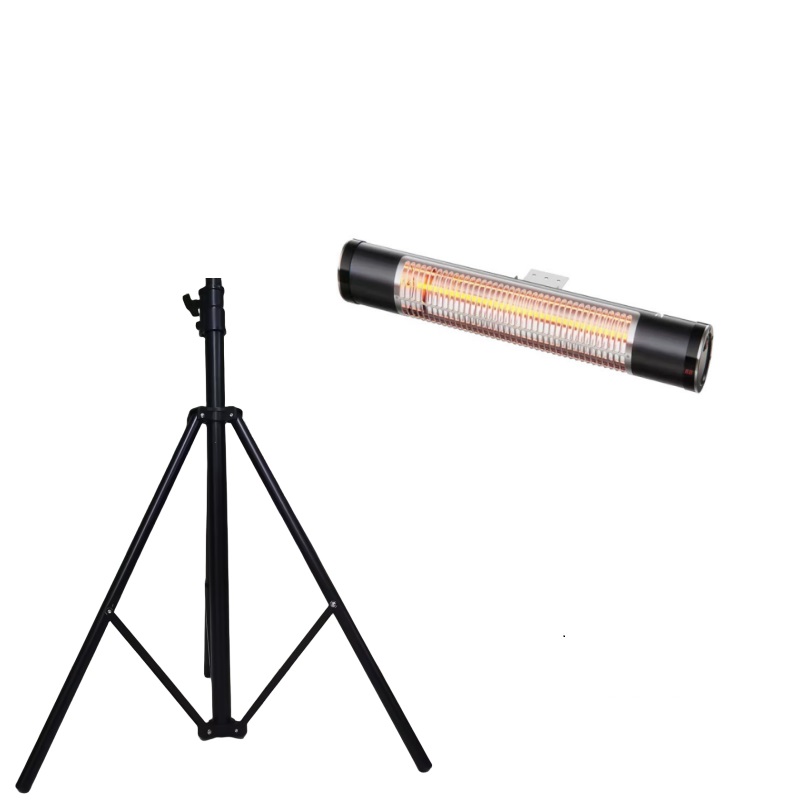
We didn’t just build a Bluetooth electric heater. We built a whole system with one clear goal: taking responsibility for the planet, from the first piece of material we source to the final box it ships in. Every choice we made was about giving you a heater that’s tough, reliable, and leaves as light a footprint as possible. Let’s get into the guts of it: the power and precision. At the heart of this thing is a halogen infrared tube, designed to throw serious, targeted heat exactly where you need it. It runs on industrial voltage, anywhere from 220V to 400V, so it plugs right into your existing plant setup. We dialed in the wattage to pack a huge amount of heat into a small space. It’s not just about brute strength. It’s about nailing that perfect temperature curve for your specific process. The whole point is a heater that just works with your current system, without forcing you to overhaul your entire electrical grid. The foundation: it all starts with the R7s. The heater’s reliability hinges on the R7s connector. It’s a double-ended, linear contact design that gives you a rock-solid, low-resistance connection. It’s built to handle the constant heating and cooling of an industrial environment without flinching. Then there’s the quartz glass tube. We coat it to crank out as much infrared heat as possible and shield the filament inside. That coating is the secret to its long life, keeping it from burning out too soon, even in the harshest conditions. The whole unit is built to be a drop-in replacement, ready to get knocked around on the shop floor day after day. Where it shines, and the honest truth about it. These heaters are beasts when you need to heat something up fast, right where you need it. The concentrated power gets the job done quickly, but here’s the honest part: that intense output means your machine’s cooling system has to be up to the task of handling the extra ambient heat. We built this heater to hit your performance marks, but we did it with a firm grip on our green manufacturing principles. So you’re not just getting a tool that works hard—you’re getting one that lines up with your own goals for a more sustainable operation.