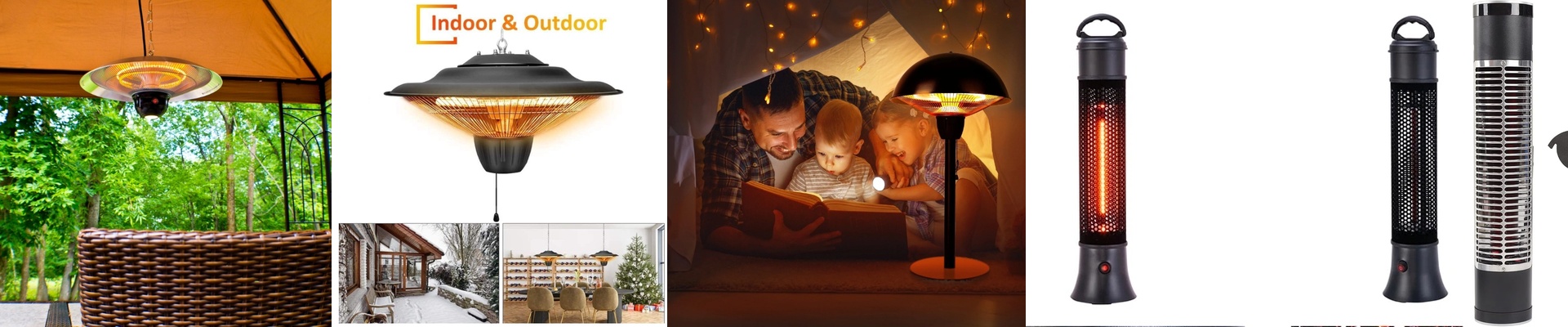
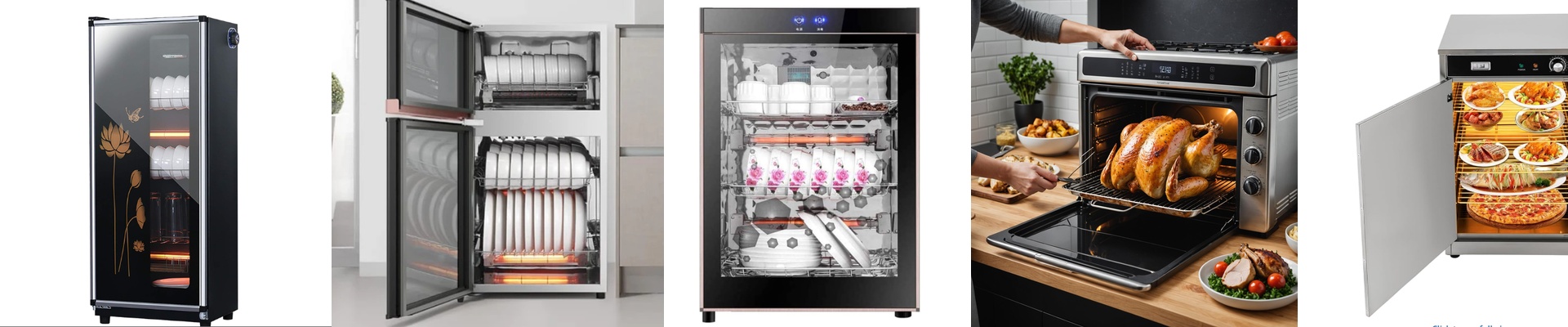
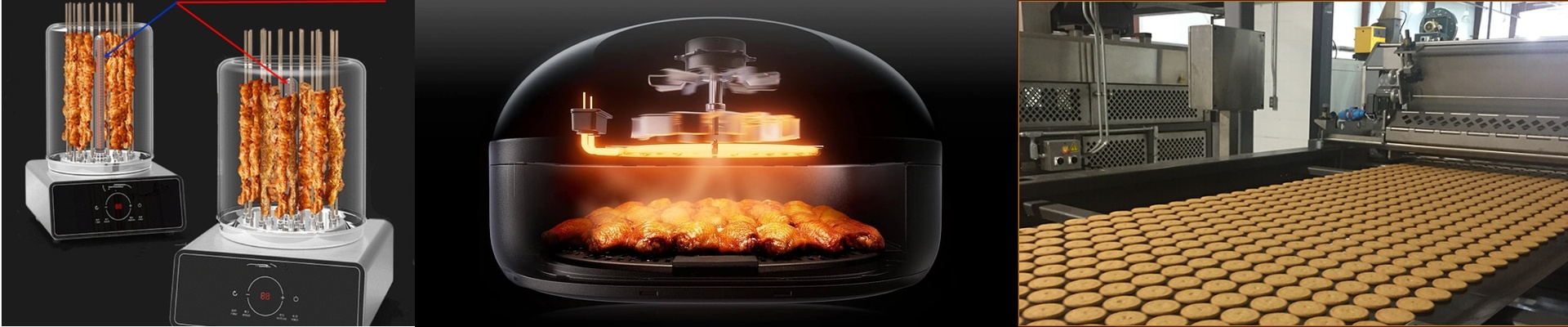
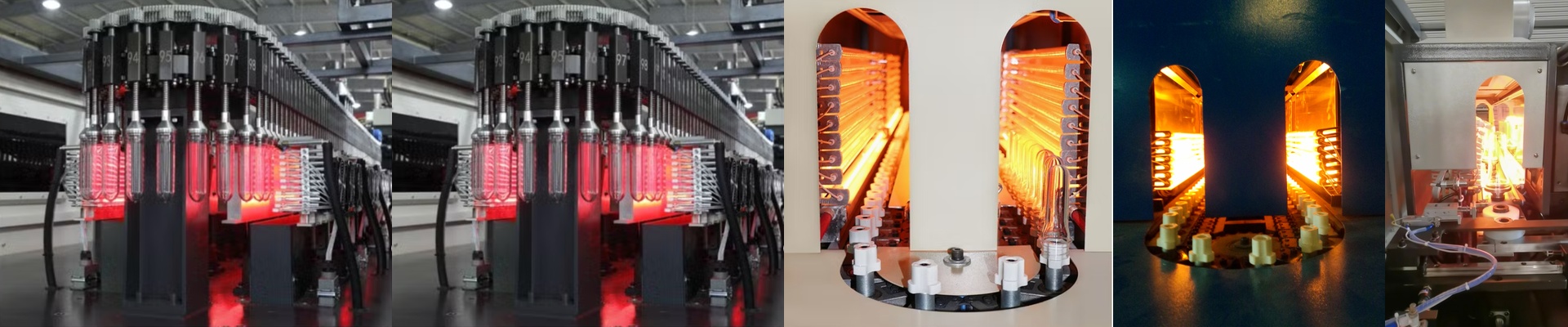
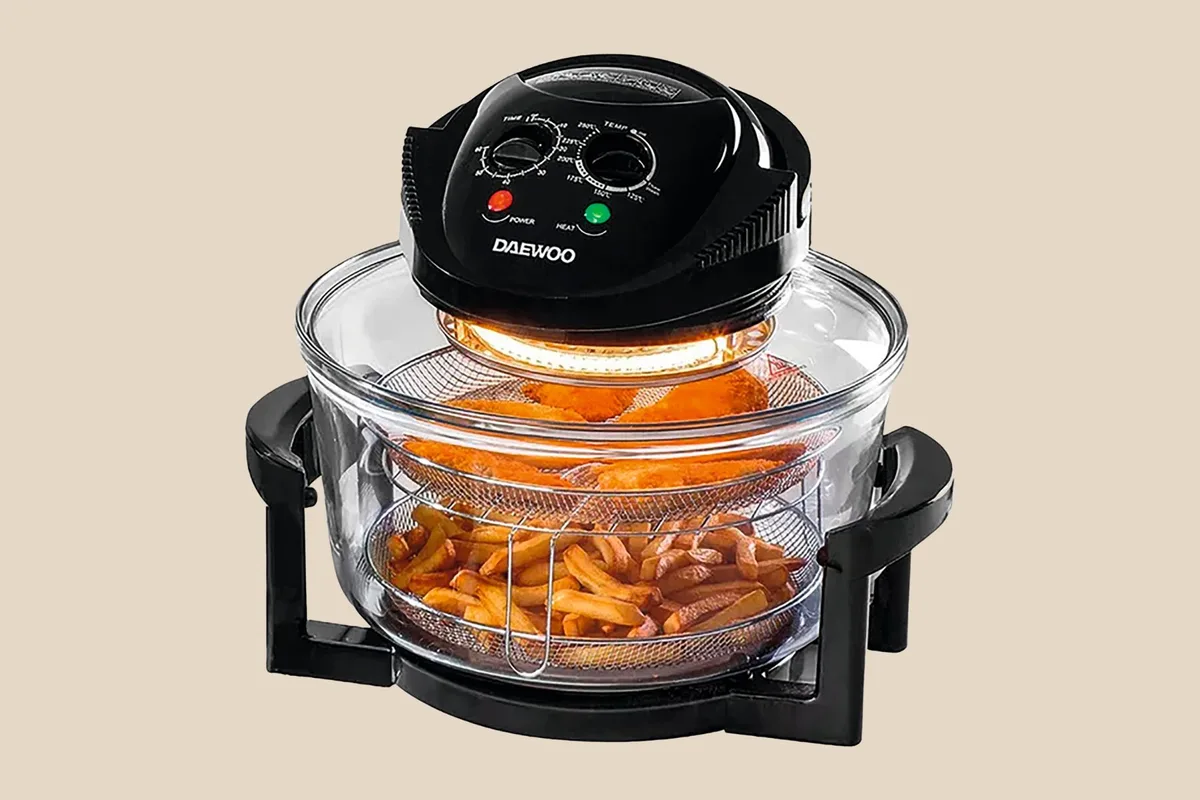
In a busy commercial kitchen, timing is everything. One slow preheat, one uneven bake, and the whole line stumbles. Convection ovens are supposed to recover fast and hold steady, but a lot of them choke when the door keeps opening or when the load changes. That’s where a frosted quartz infrared heater changes what’s happening inside the baking chamber. The heart of it is a frosted quartz infrared element built for quick, focused radiant output. The frosted surface spreads the energy out, so you get more even coverage across the cavity instead of hot spots. Infrared dives into dough and toppings fast, driving surface browning and caramelization while the convection fan keeps moving air to manage moisture. You end up with a quicker heat-up, tighter temperature stability, and results you can repeat batch after batch. This matters when service won’t slow down. In a convection oven, the frosted quartz infrared heater shortens preheat and helps hold setpoint when doors swing open, so you can run more trays with fewer temperature swings. Crusts come out crispier, breads get better lift, and proteins hit consistent doneness—without letting energy use per bake cycle get out of hand. The heater’s fast response also makes menu flexibility easier. You can pivot from delicate pastries to roasts without waiting around for recovery. Installation is straightforward, but you have to match the details. Confirm voltage, terminal configuration, and mounting clearances for your specific convection oven model, and make sure the oven’s thermostat can keep up with the infrared heater’s response speed. Keep the element clean and dry. Hard water mineral buildup will dull the quartz and cut output. Treat the heater as part of the system, not a bolt-on, and it will pay off shift after shift.