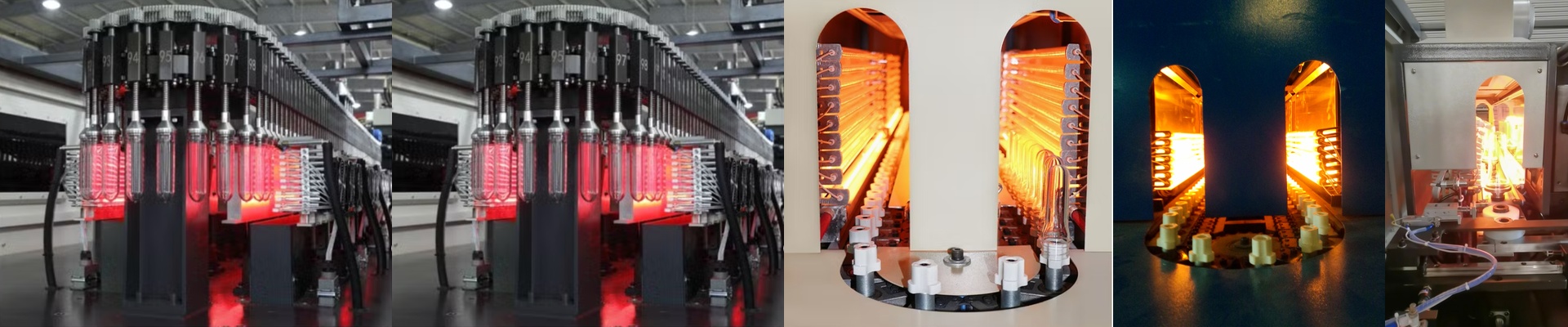
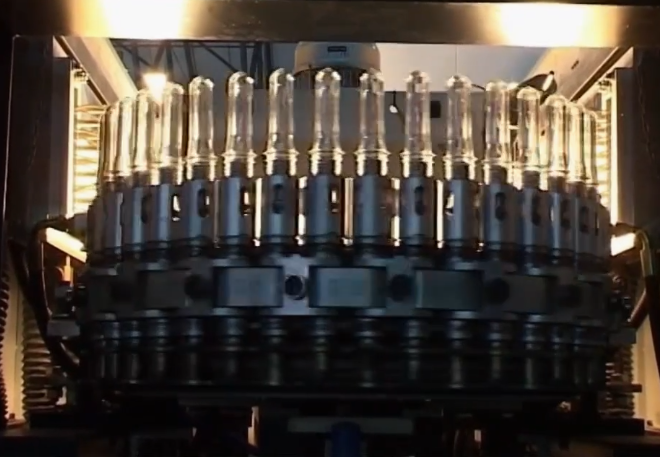
On the blow molding floor, preform temperature isn’t a guess. It’s the difference between holding rate and watching the machine back off. When the PETC reheat oven tubes start underperforming, you see cold spots, uneven stretch, and scrap climbing. We build our PETC preheating oven tubes to take the guesswork out and put repeatable heat back in. What matters, technically We run short-wave infrared halogen emitters because they get to set temperature quickly and hold it steady—exactly what you need to keep crystalline PET under control. The specs match OEM oven tunnels: 2400 W to 4800 W per section, 240 V, and R7s connectors for a direct drop-in fit. Quartz envelopes give you high transmission and fast response, while the internal reflectors focus the energy where the preform wall needs it. Output stays stable across repeated thermal cycles, so you’re not chasing drift in the middle of a long run. Why this works on your floor On Sidel, Krones, SIPA, Husky, SACMI, and Nissei ASB stretch blow molders, the heating profile is the bottleneck. Our tubes restore the designed profile: faster warm-up, tighter zone control, and fewer temperature swings between preforms. You get more consistent wall thickness, fewer pinholes, and fewer jams from underheated necks. Energy use drops because the oven spends less time recovering after door openings and changeovers. The practical details Installation is straightforward, but oven reflector condition and airflow matter. If the reflectors are pitted or the vents are blocked, you’ll lose efficiency even with a new tube. Match voltage and wattage per zone, and double-check R7s orientation to avoid hot spots. Plan replacement around your maintenance window—tubes run hot, and handling means lockout/tagout. You can run to failure, but it costs you uptime and scrap.