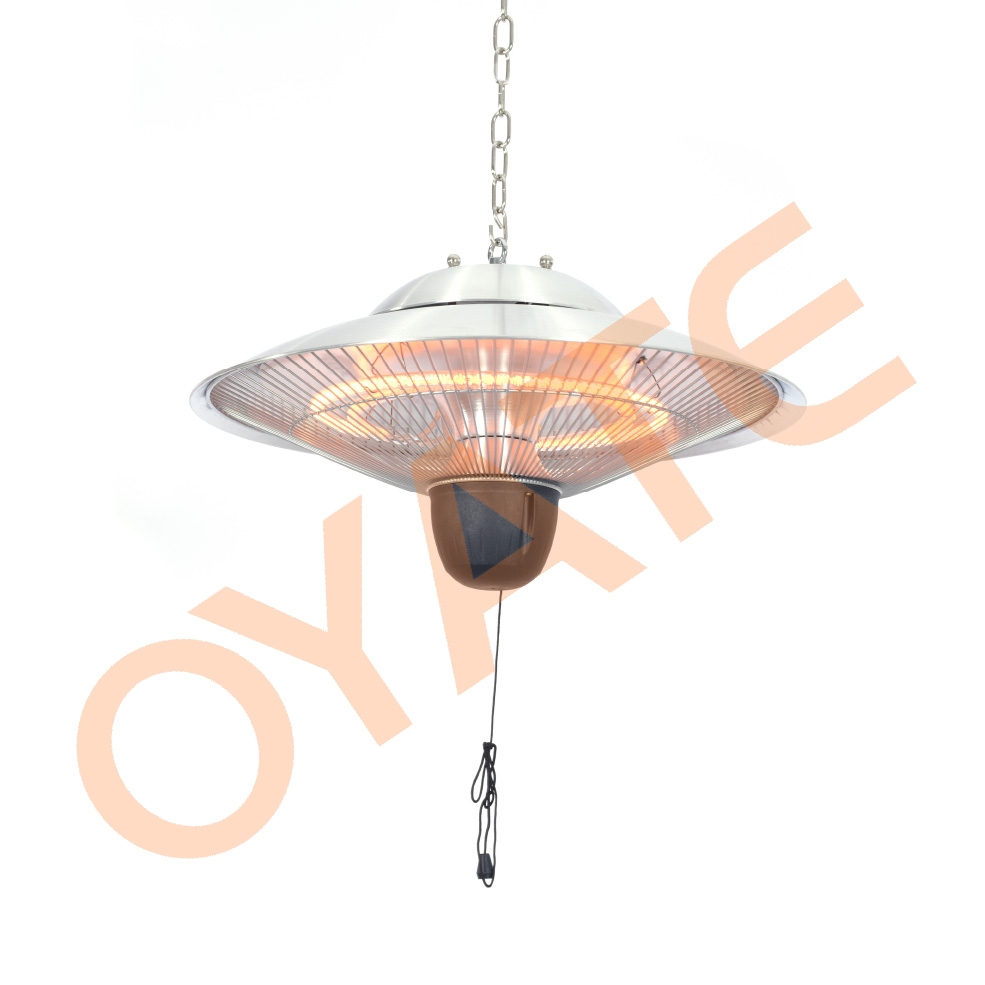
Stop Fighting the Wind: Getting Outdoor Changing Areas Warm
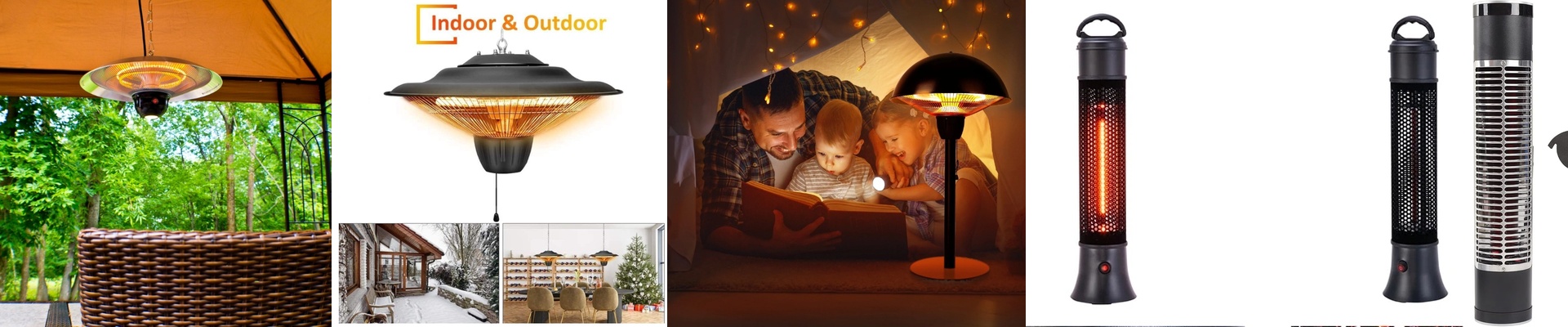
Anyone who’s ever tried to change clothes in a drafty outdoor spot knows the struggle. You turn on a heater, but the warmth just… disappears. That’s because most heaters try to warm the air, and in an open space, the wind just carries that heat away before you even feel it. We do things differently. Instead of fighting the breeze, we use shortwave infrared. It doesn’t bother with the air at all. It goes straight for you and the surfaces around you. It’s the difference between waiting for a room to warm up and stepping into a beam of sunlight on a cold day. It happens in seconds.
Why it actually works
We set these units up for high-intensity output. Because it’s shortwave, the heat hits your skin almost instantly. There’s no “warm-up” period where you’re standing there shivering while the machine catches up. It’s really the only way to give people that luxury, high-end feel in a place that’s basically open to the elements without watching your electricity bill spiral out of control.
Built for the grit
Let’s be honest: outdoor gear takes a beating. Moisture is the enemy here. If you just throw a standard indoor lamp into a damp changing area, it’s going to trip your breaker or just burn out. Not a great look. That’s why we seal everything. The electrical connections and the housing are locked down to keep out corrosion and short circuits. We use high-grade quartz glass and casings that can handle humidity and the occasional splash without flinching.
A few things to keep in mind
These lamps pack a punch. You get a ton of heat in a very small package, which is great for saving space. But you have to be smart about where you put them. If you mount them too low, you’re going to bake whoever is standing there. It’s all about the distance. Also, give your electrical panel a heads-up. These units have a bit of a surge when they first kick in. Make sure you’re using the right gauge cable—especially if you’re running wires over a long distance—so you don’t deal with voltage drops. Simple stuff, but it makes all the difference.