
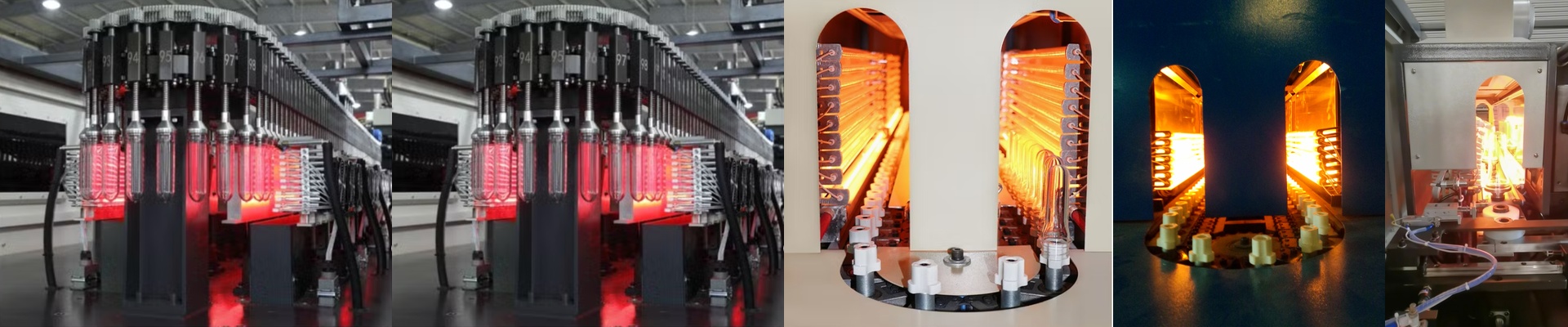
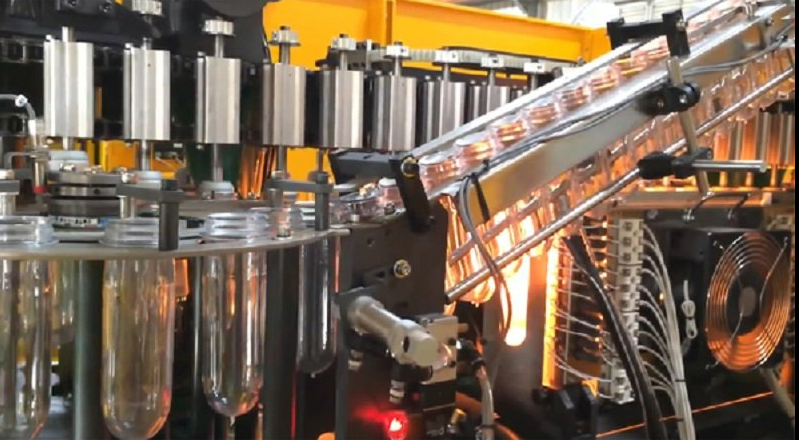
Getting Your SACMI Rotary Blow Molders Up to Temp—Fast
If you’ve ever run a SACMI line, you know the struggle. You need your PET preforms to hit that glass transition temperature perfectly. If the outer skin gets too hot, you’re in trouble. If it’s too cold, you’re throwing away plastic. On a high-speed rotary machine, you have almost zero room for error. That’s why we focused on the lag. You know that annoying gap between flipping the switch and the lamps actually hitting full power? We worked to kill that.
Why “Cold Starts” Are a Nightmare
Here is the thing: when a lamp takes too long to warm up, the first few batches are a gamble. You get uneven walls, or worse, preforms that just burst. It’s a waste of time and material. To fix this, we looked at the physics. We used high-purity quartz and a specific way of winding the filament to cut down the thermal mass. The result? The lamps hit their target wattage almost the second you turn them on. It just works.
No-Fuss Hardware
Nobody wants to spend an hour fighting with fixtures during a changeover. We built these as simple drop-in replacements. They match the footprint and electrical load of your oven exactly. Whether you’re on 230V or 400V, the heat flux stays where it needs to be. We also used standard connectors, so you can just plug them in and get back to production without the headache.
The Trade-off (The Honest Bit)
Look, there’s no such thing as a magic bullet. When you push for this kind of heat density and fast start-up, the lamps run hotter. That puts more stress on the electrodes. If your voltage regulators aren’t dialed in, you’re going to see them burn out faster. And a quick tip: check your cooling fans. If the air inside the oven gets too swampy and hot, it’ll kill your lamps prematurely. Keep them cool, and they’ll last. At the end of the day, it’s about consistency. Faster response times mean fewer scrap piles during ramp-up and cycle times that actually stay where you set them.