Introduction
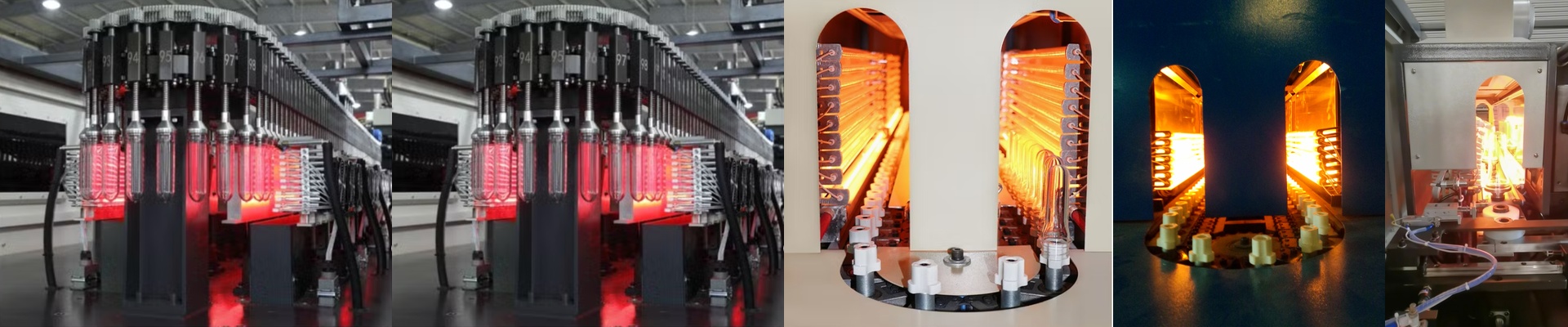
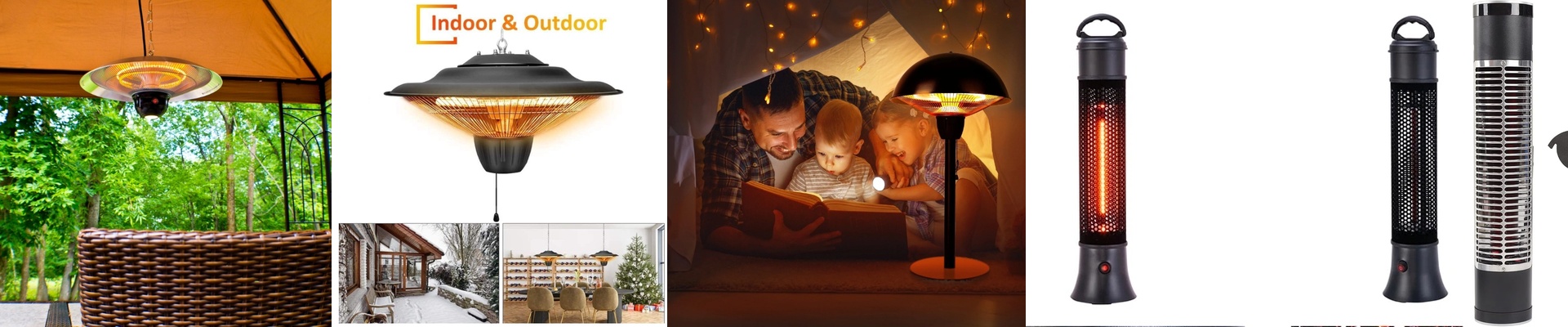
We make oven heating coils for engineers who just want a straight-up, reliable swap-in for what they already have. Our specialty? Infrared halogen lamp tech. It delivers intense, focused heat without wasting energy. That’s the heart of what makes greener kitchens and low-carbon baking possible. It turns electricity into radiant heat—efficiently, cleanly.
The Technical Stuff, Without the Fluff
It all comes down to power density and matching the right voltage. We build the lamp to match your oven’s electrical specs, so you get steady performance without rewiring the whole thing. Most setups run at high voltage to pack a lot of wattage into a small tube. That gives you serious heat in a compact footprint. And the length? We cut it to fit standard ovens, so the coil sits where it should—right where the heat needs to be. That precise fit matters on the line. If the coil’s too long, you get hot spots. Too short, and the heat becomes uneven. We size the tube to the oven, period.
Materials and Design—Why It Stays Tough
Inside, you’ve got halogen elements sealed in a quartz envelope. That’s why these coils can take repeated high-temperature cycles without giving up. The halogen cycle keeps the filament stable, so you don’t get that annoying dimming, and the lifespan beats basic resistance coils. Quartz also transmits shortwave infrared really well. That means energy goes straight into the product—not into heating the air around it. And connectors? They matter when you’re running a shop. An R7s base gives you a secure fit, proper alignment, and consistent contact. Less voltage drop. Fewer hot connections. Less downtime. One thing to keep in mind: high wattage and shortwave output mean you need solid thermal management. Make sure your oven’s cooling and insulation can handle the heat load, or nearby parts can start to cook.
What It Feels Like to Use
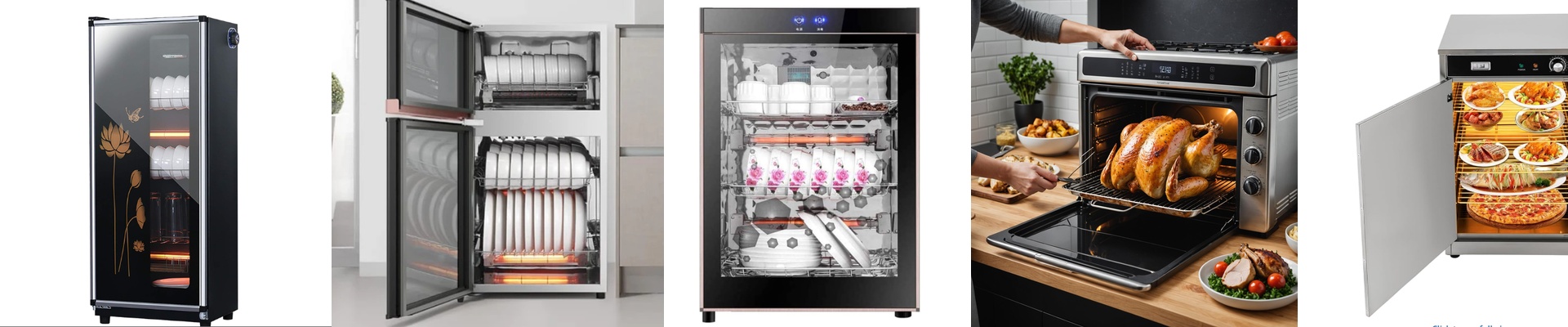
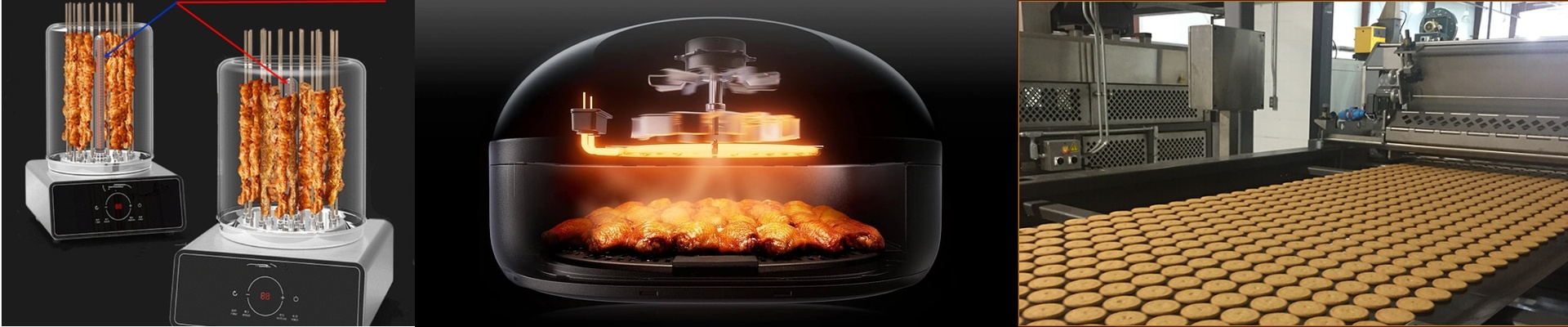
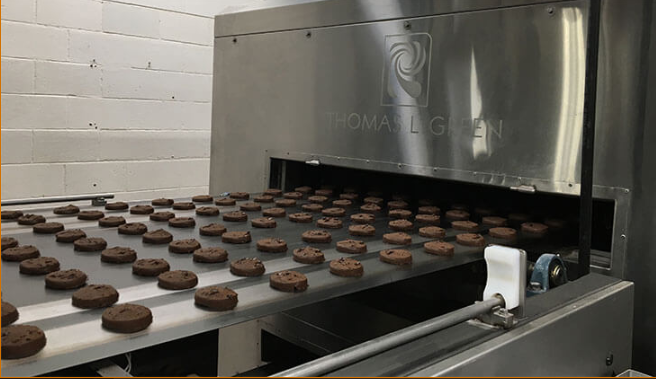
In baking and food processing, infrared halogen coils slash preheat time and cut energy use when the oven is idling. Heat goes straight to the surface, so you hit target temperatures faster—and hold them more steadily. For engineers, the payoff is practical: faster cycle times, fewer kilowatt-hours per batch, and a coil you can swap out with standard tools. If you’re replacing an oven coil, get the voltage, wattage, length, and base right. Wire it up, run the process. You’ll notice it—less wasted heat, lower emissions, and consistent output shift after shift.