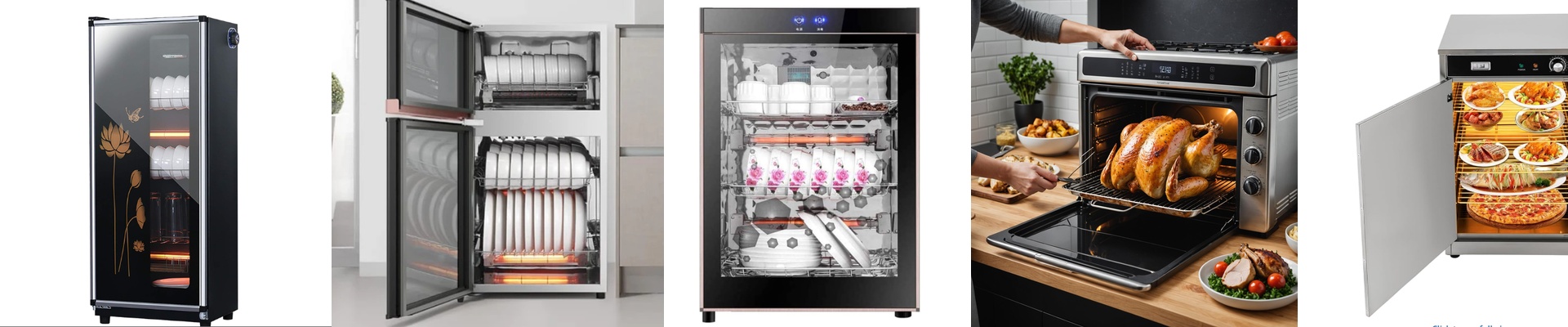
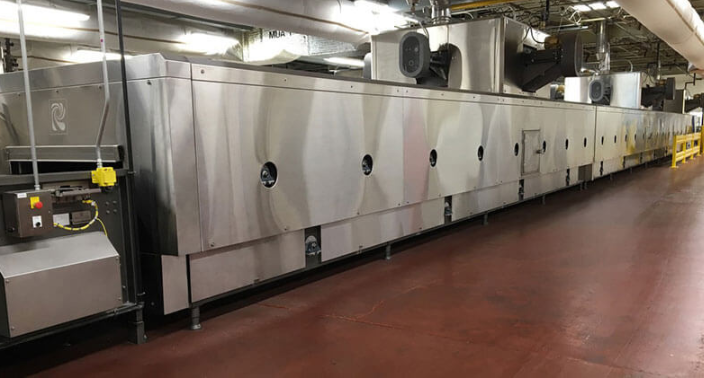
Stop Waiting on Your Oven: The Magic of Single Tube Infrared
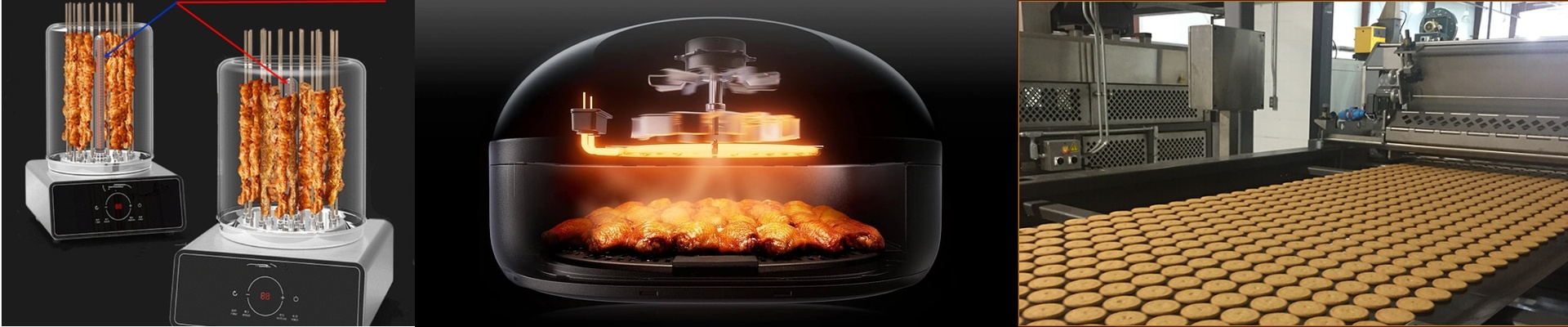
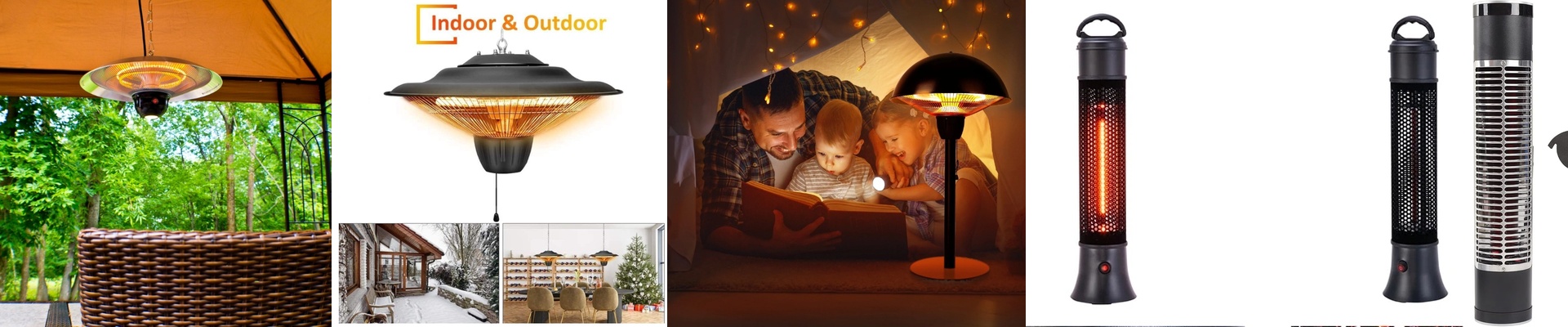
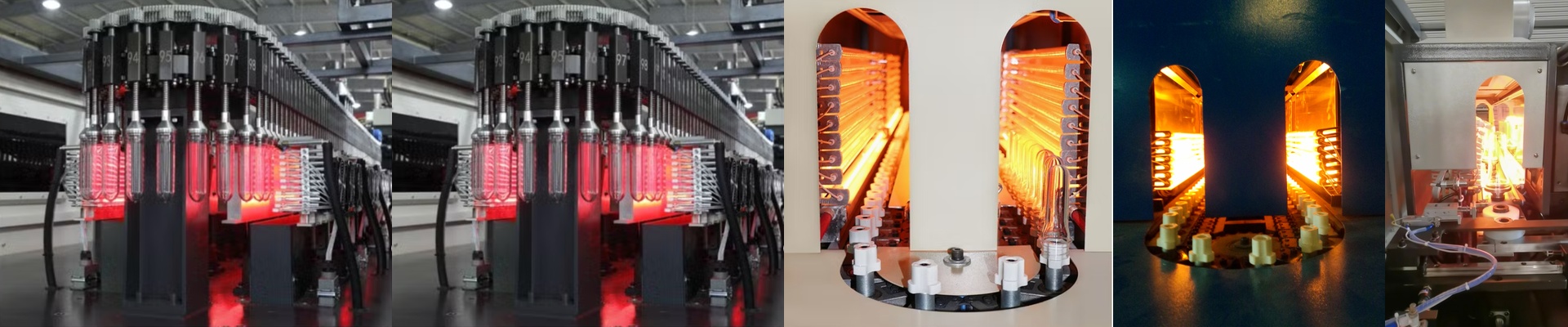
Ever feel like your kitchen or bakery is just… stuck? You’ve got the dough ready, the staff is moving, but the oven is the bottleneck. Most of the time, it’s because of thermal lag. Standard convection ovens are slow because they have to heat the air first, and then the air heats the food. It’s a middleman you don’t need. We do things differently. Our single tube infrared heaters skip the air entirely. They hit the dough with direct radiant energy. It’s faster. Much faster. And that changes everything for your workflow. Why it actually works Think of it like stepping out into the sun on a cold day. You feel the warmth instantly, even if the air around you is still freezing. That’s how these quartz lamps work. While old-school resistive coils take forever to warm up, these trigger almost the second you flip the switch. This lets you tighten up your production timing. You can pulse the heat to get that perfect golden crust without accidentally baking the center into a rock. The nitty-gritty stuff Inside, there’s a tungsten filament tucked into a high-purity quartz envelope. Whether you’re running 220V or 380V, we adjust the filament thickness to make sure you’re getting the exact wattage you need. We also keep the connectors standardized. Why? Because when a tube eventually burns out, the last thing you want is to spend your afternoon rewiring the entire chassis. You just want to pop the old one out and slide a new one in. Plus, we use a specific kind of quartz glass that lets the shortwave radiation pass right through to the food instead of getting trapped inside the tube. A few things to watch out for Now, there’s a trade-off. High heat density is great, but these things gethot. If you’re cranking up the wattage to push out more product, just make sure your oven housing and wiring can handle the ambient heat. If the air doesn’t move around the lamp ends, your connectors will fry prematurely. And please, keep the quartz clean. If grease builds up on the glass, it creates “hot spots.” That’s a recipe for thermal stress, which is a fancy way of saying the glass might crack. A quick, regular wipe-down keeps the heat even and your equipment lasting longer.