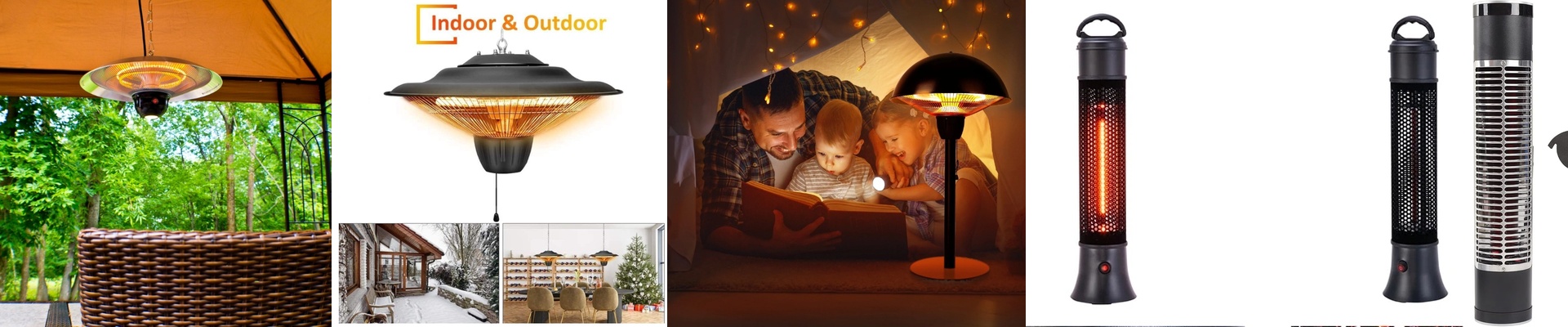
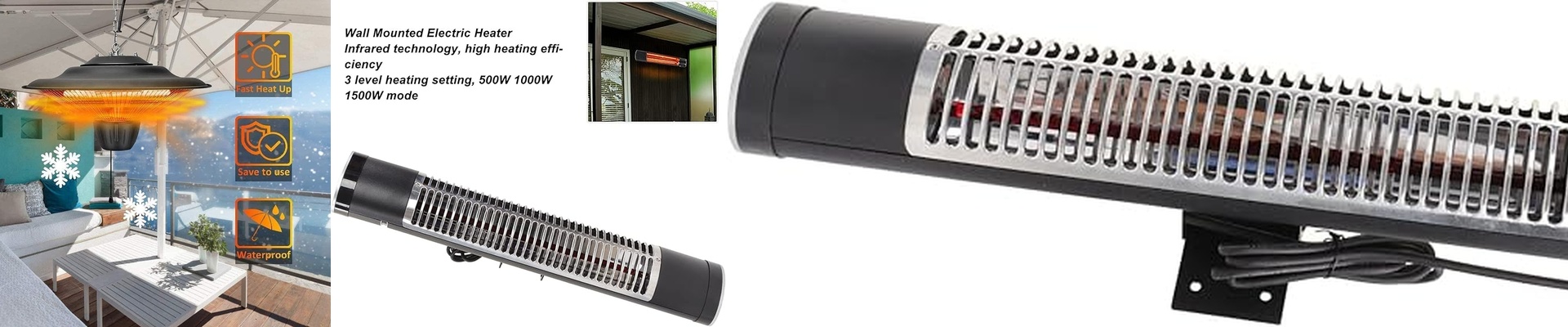
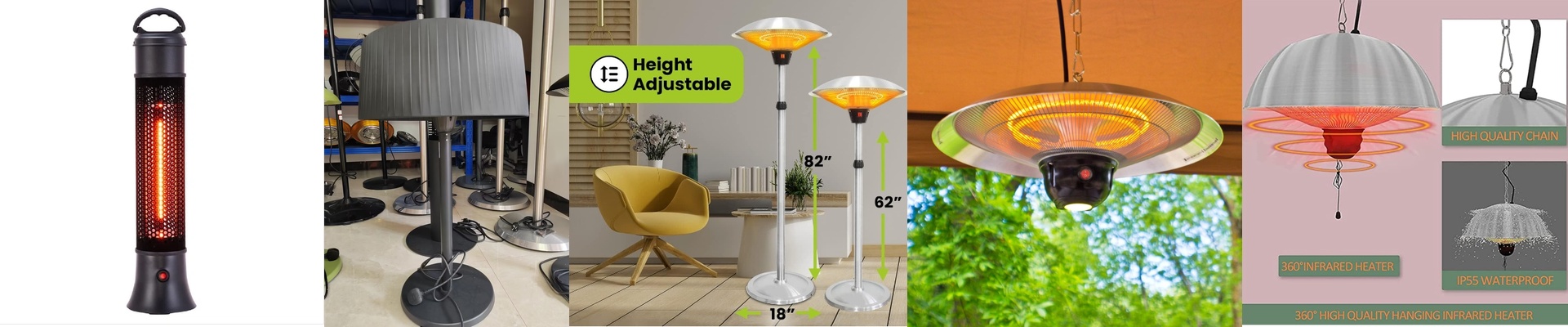
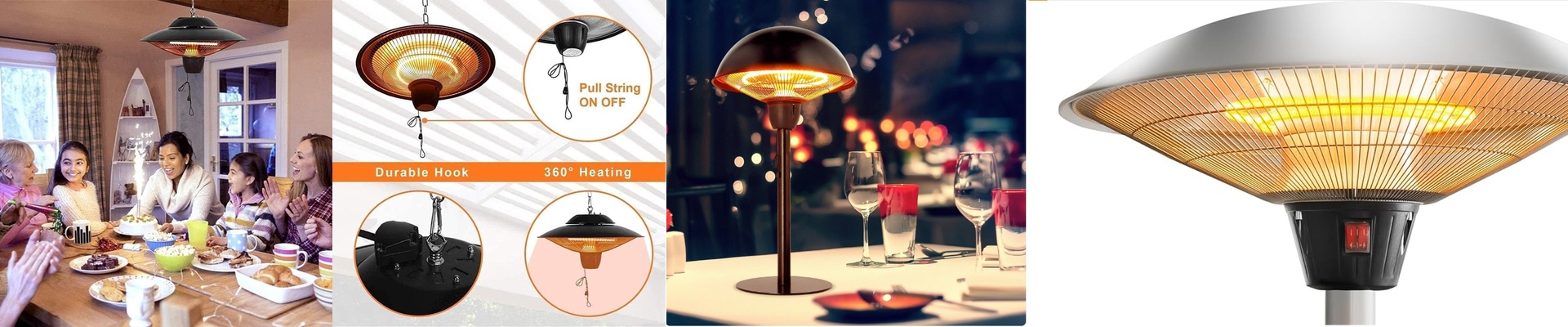
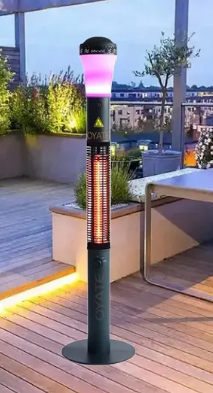
You sink into your outdoor sofa on a crisp evening, ready to settle in—until that first blast of harsh heat hits your face. Been there. A lot of infrared heaters deliver warmth that works, but leaves skin tight, flushed, or just plain irritated. We built our carbon crystal heater to avoid that. It’s clean infrared output, tuned around comfort first, so the evening stays about relaxation, not recovery.
What matters under the hood
The core is a carbon fiber element that produces infrared warmth with a controlled spectrum profile. We dial back the harsh peak intensity that can feel abrasive on exposed skin. The result is radiant heat that warms you directly, without over-drying the surface. A quartz tube stabilizes output and keeps the heating even across the element. You get a steady, quiet glow and predictable comfort. For control, an adjustable thermostat holds the temperature steady, so you’re not constantly chasing settings. Safety is straightforward: tip-over protection shuts the unit off if it’s bumped, and the outer housing stays cool to the touch.
Why this works in outdoor living
Outdoor comfort isn’t just about temperature—it’s about how the heat feels on your skin. This heater warms people and furniture first, so you feel cozy faster, without waiting for the air to heat up. That matters when you’re entertaining, reading, or just enjoying a quiet night under the stars. Because the warmth is directional and efficient, you can place it where you need it most—covered patio, screened porch, or a tight balcony. And the output is tuned to be gentle, so you can sit closer without that sharp, drying sensation that makes you back away.
The fine print—what to keep in mind
Carbon crystal infrared heaters perform best when aimed at seating areas and not blocked by furniture or curtains. They deliver instant radiant warmth, but they don’t heat the air. In windy spots, go with a sheltered placement or an enclosed outdoor heater designed to handle air movement. Installation is simple for most electric setups, but the unit needs a dedicated outlet and should be plugged into a grounded circuit that can handle its power draw. If you’re running multiple outdoor electric heaters, check your breaker load so you don’t trip circuits.