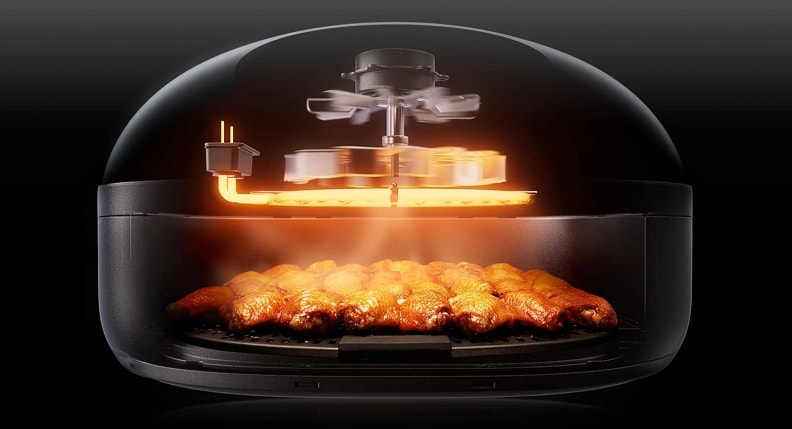
The Secret to That Perfect Golden Crust: Why 800W Infrared is the Way to Go
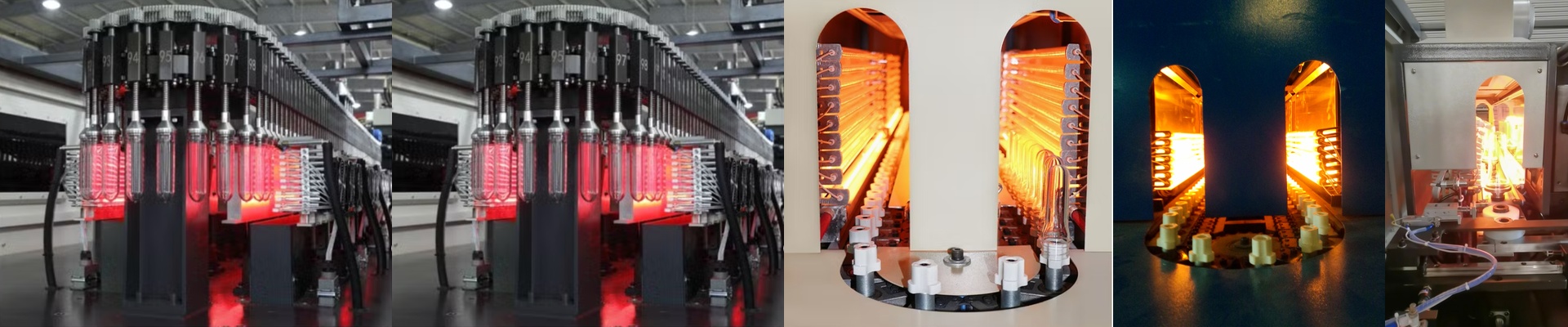
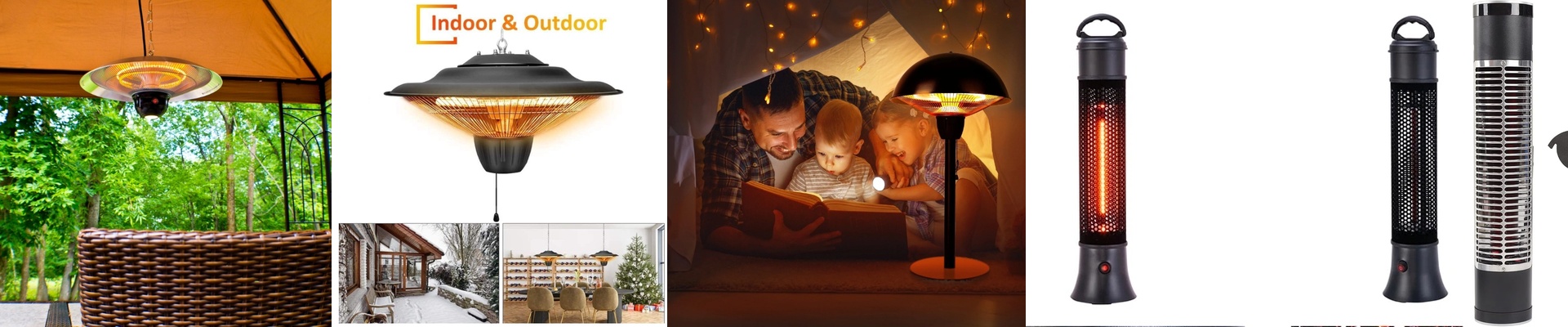
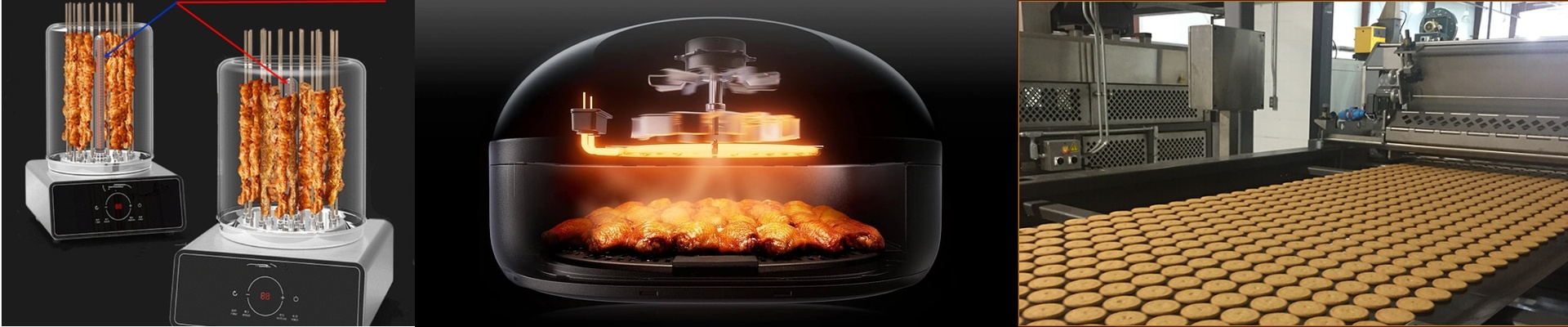
Ever wonder why some loaves have that gorgeous, deep golden-brown crust while others just look… pale? It all comes down to how you hit the surface of the dough. To get that look without turning the inside of your bread into a crouton, you need a sudden, intense blast of heat. That’s why we use 800W shortwave infrared (IR) lamps. Instead of waiting for the air to heat up and circulate, these lamps shoot energy straight into the dough. It’s instant.
Timing is Everything
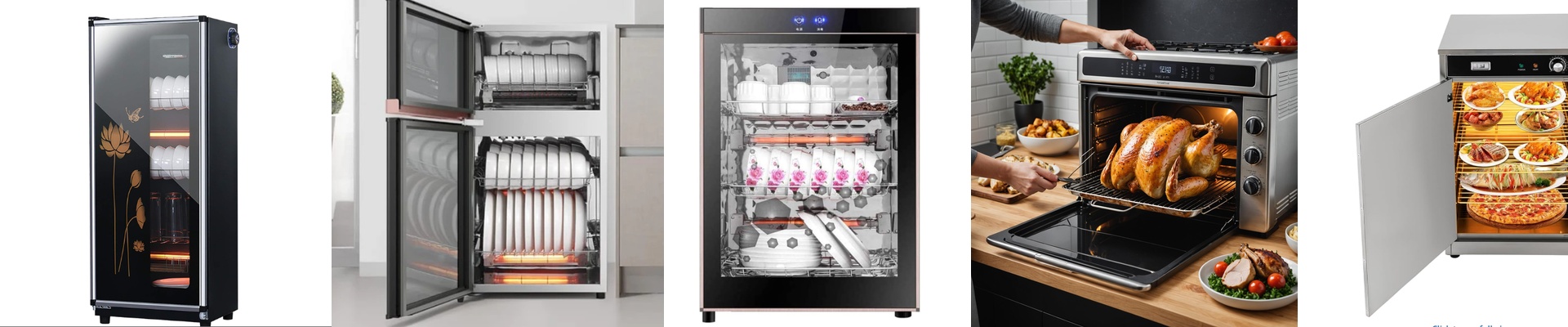
Standard heating elements are slow. They take forever to warm up, and in a professional kitchen, that lag means your browning is all over the place. But with an 800W IR lamp, the heat is there the second you flip the switch. We love this because it lets us be incredibly precise. You can trigger the lamp for just 10 to 30 seconds. It’s just enough time to crisp up the outside while keeping the center soft and moist.It’s a total win for the texture.
The Nitty-Gritty on the Hardware
We use high-purity quartz for the lamp envelopes. Why? Because these things go from cold to scorching in a heartbeat, and regular glass would just crack under the pressure. We settled on 800W because it’s the sweet spot—plenty of power to get the job done, but it still fits comfortably in the ceiling of the oven. The wiring is pretty simple. We use standard industrial connectors so everything stays tight and secure. Just a heads-up: if you’re swapping these into an old setup,**double-check your voltage.**If it’s not a match, you’ll either get a weak glow or you’ll fry the filament in a few hours. Not a great way to start the morning.
A Few Things to Watch Out For
Here’s the catch: these lamps put out a massive amount of localized heat. While the bread loves it, the lamp housing takes a real beating. You’ve got to make sure your oven’s ventilation is actually doing its job. If the air isn’t moving, that heat builds up around the electrical terminals. If it gets too hot, your connectors will oxidize and eventually just quit on you. Basically, don’t skip the shielding. It’s the only way to make sure your gear lasts as long as your business does.