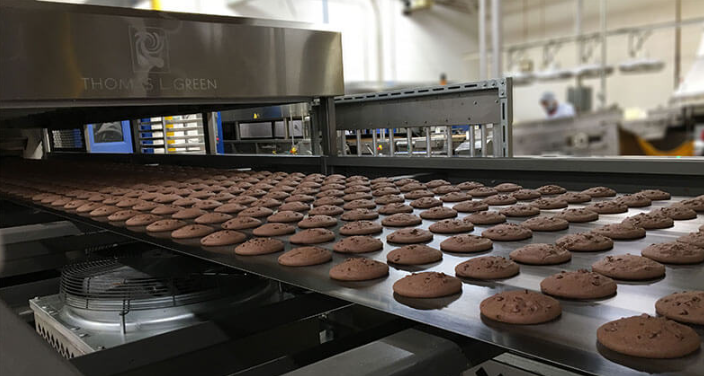
Getting the Heat Right: Why IR Matters for Your Oven
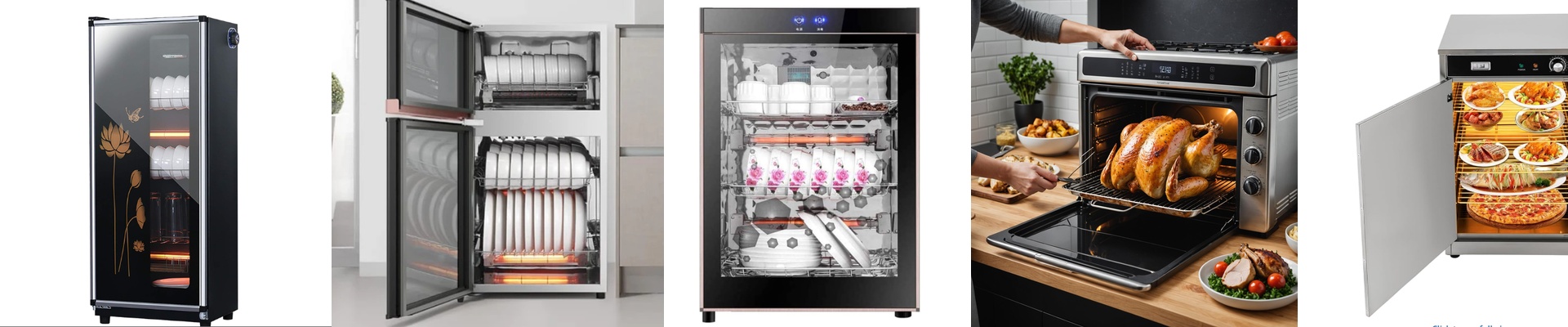
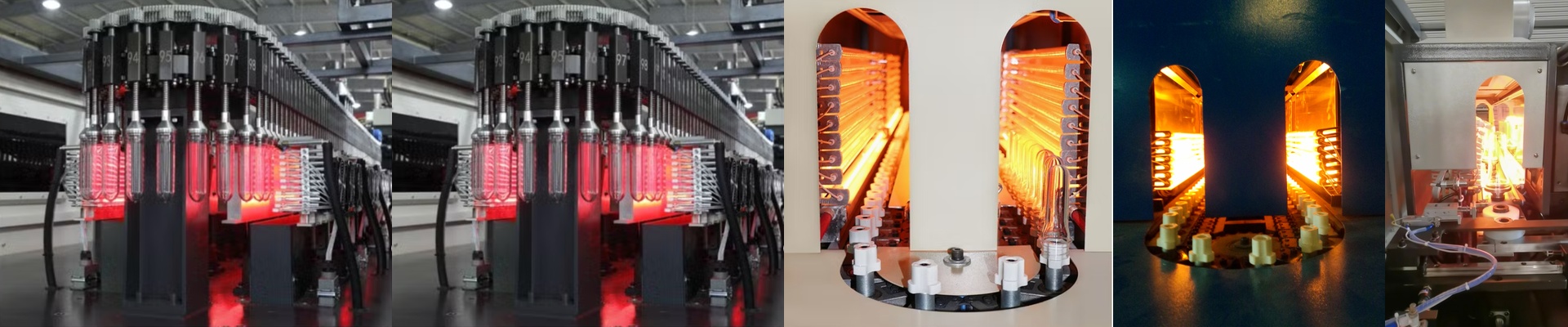
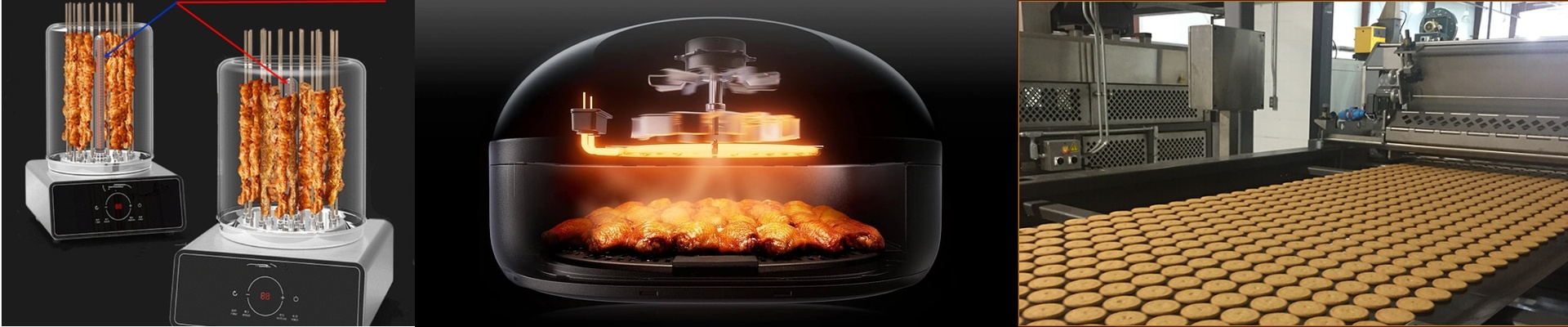
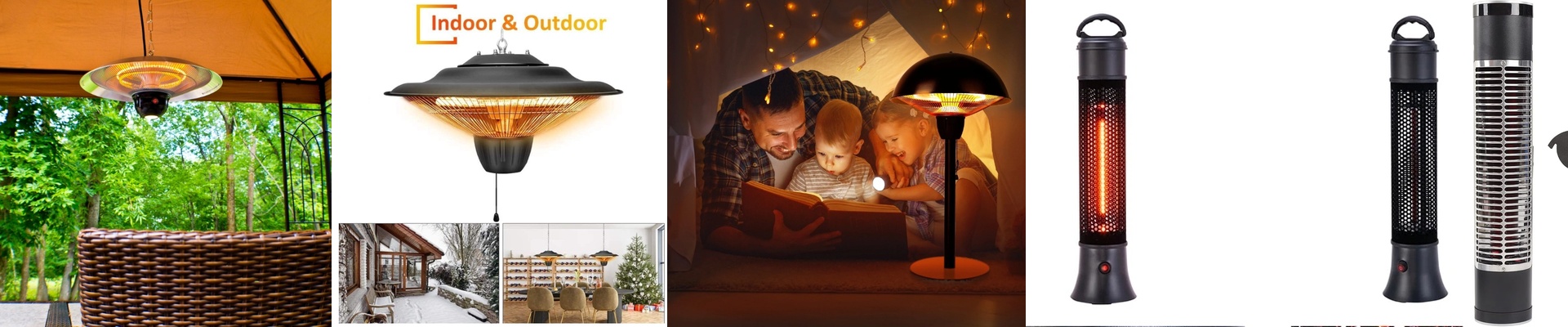
If you’ve ever tried to cook a thick cut of meat, you know the struggle. You end up with a charred, burnt exterior and a center that’s still basically raw. It’s frustrating. The problem is that surface heat isn’t enough. You need something that actually gets inside the protein. That’s where our stainless steel IR emitters come in. They don’t just heat the air; they push energy deep into the meat. Why this actually works Most ovens just move hot air around. It’s slow. Our IR setup uses short-to-medium wave radiation. Think of it as a shortcut. Instead of waiting for the heat to crawl from the outside in, these waves trigger vibrations right in the center of the meat. The result? Your core temperature rises at the same pace as the crust. No more guessing games or cutting into a steak only to find a cold middle. Taming the heat Now, this kind of power can be dangerous. Too much and you’ve got a charcoal brick; too little and you’re waiting forever. To fix this, we pair the emitters with PID controllers and fast-response thermocouples. It sounds technical, but all it means is you have a dial that actually works. You can blast the heat for a perfect sear, then drop it instantly so the inside can finish cooking without burning the outside. It gives you total control. The build and the trade-offs We use stainless steel for the housing because kitchens are messy. Between the grease and the extreme heat, other materials just give up. Stainless steel takes the beating, resists oxidation, and—most importantly—won’t flake off into your food. But here’s the thing: there is a trade-off. Stainless steel is heavier than quartz, so it takes a few minutes longer to warm up. You’ll notice a bit of a lag at the start. Just factor that into your pre-heat time. Once it hits the target temperature, though, it stays there. It’s rock solid. One last tip: use a high-precision relay. If your power supply jumps around, your surface temperature will drift, and you’ll lose that precision. Also, keep your sensors close to the emitter. The closer they are, the tighter your control will be.