Getting That Perfect Crust Without the Burn
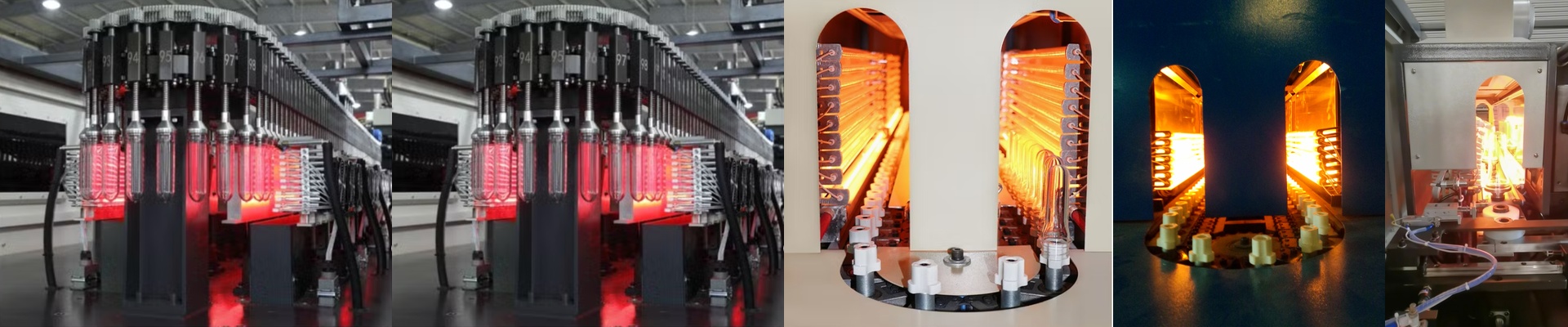
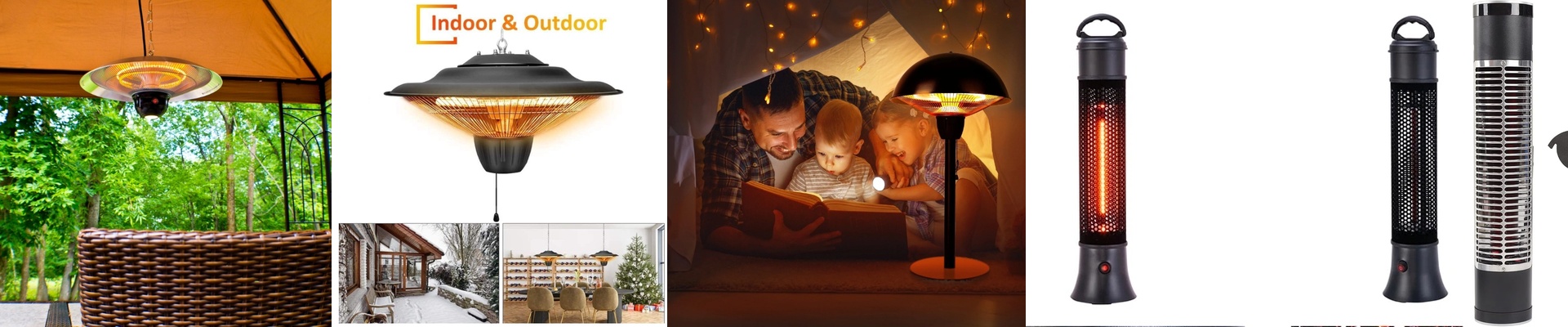
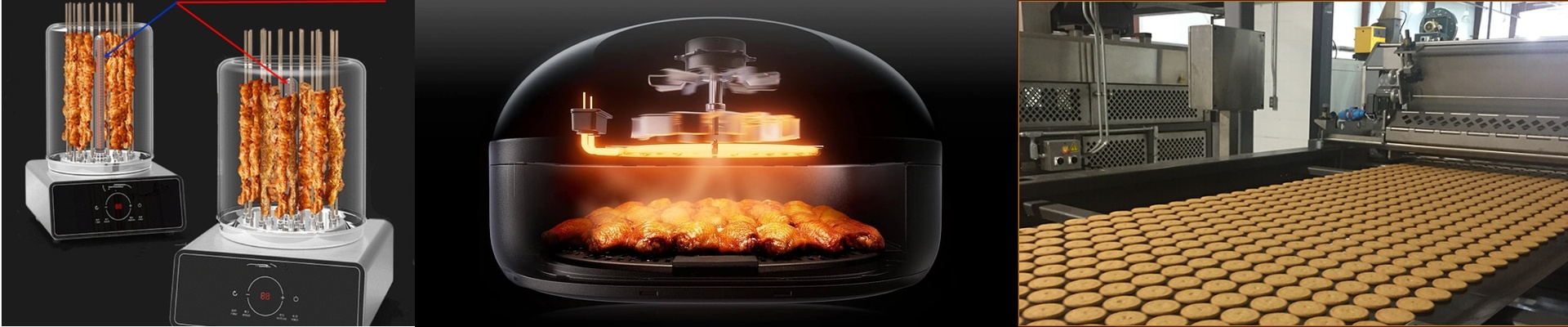
Ever wonder why some bread comes out with that gorgeous, golden-brown glow while others just end up scorched? It all comes down to the Maillard reaction. But here’s the trick: to hit that sweet spot, your heater needs to react in seconds, not minutes. That’s why we go with short-wave quartz radiant heaters. Instead of waiting around for the oven air to warm up, these things dump energy straight into the surface of the dough. It’s fast. Really fast. Why speed actually matters Baking bread is all about timing. If your heating element is too bulky, it holds onto heat for too long. We call that thermal inertia, and it’s a nightmare for consistency. By using low-mass quartz tubes, the system can jump to peak temperature and drop back down almost instantly. This means you aren’t “overshooting” your target. When a heater stays hot for too long after it’s supposed to stop, that’s when your bread gets burnt. If your controller is fighting a slow heater, you’ll miss that perfect window for caramelization every single time. The nitty-gritty on the gear We use high-purity quartz glass because it lets the infrared heat pass through without any interference. Inside, there’s a tungsten filament built for high heat density. This lets us keep the footprint small inside the oven without sacrificing power. But you have to be careful with the wattage. If you push too many watts per centimeter without enough airflow, you’re just going to burn out the filament. It’s a balancing act. Setting it up (and the trade-offs) These are designed to slide right into standard industrial baking arrays, which makes the install easy. But there is a catch. Because these heaters are so intense, they put a lot of stress on your wiring and sockets. You’ll want to double-check that your connectors can handle the peak current, otherwise, you’ll start seeing pitting and wear. And one last thing: if you crank up the wattage to shave time off your bake, your electronics cabinet is going to get hot. Make sure your cooling fans are up to the task, or you’ll be dealing with a different kind of burnout.