
Introduction
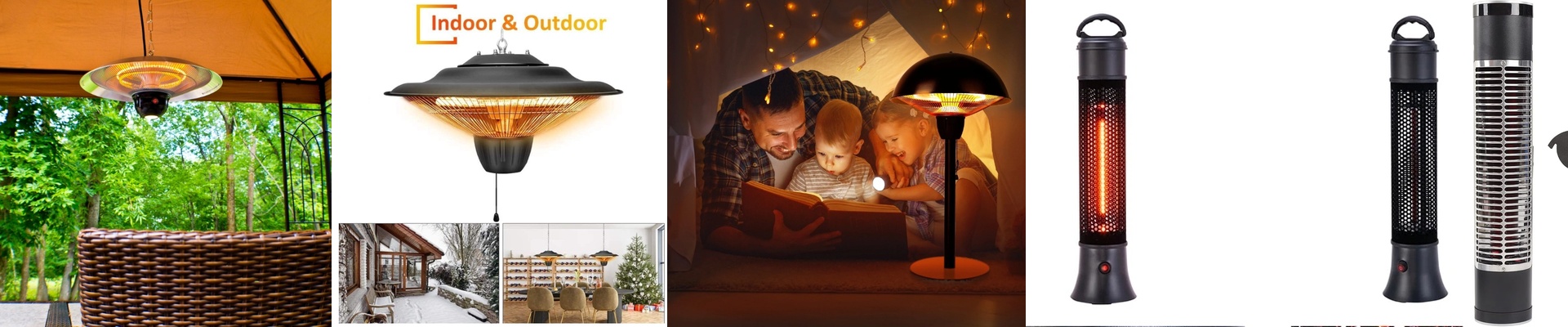
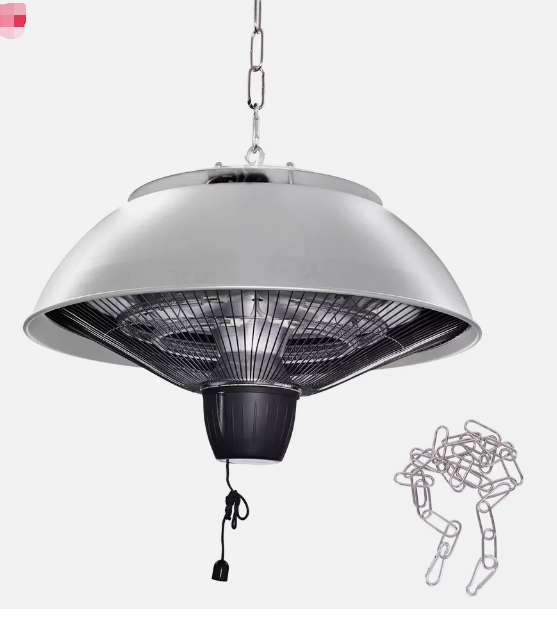
Let’s talk bathroom heating. We make infrared heaters that are splash-proof (IPX4 rated), so they’re built to handle the job in a bathroom without flinching. They give you that instant, targeted warmth—the kind that hits you right away—without turning the air into a desert. But here’s the part that really matters: if you’re an engineer or a facility planner, the real trick is matching the wattage to the size of the room. Get that right, and you’ve got comfort. Get it wrong, and you’re wasting energy and leaving people shivering.
The Power, Voltage, and Size Breakdown
How much heat you feel comes down to wattage and the size of the emitter surface. More wattage packed into a smaller space means faster warm-up and a stronger hot spot. That’s great when you need it. It also means the surface gets hotter, and your electrical circuit feels more load. So here’s a practical rule of thumb:
- Small bathrooms (2–4 m²): 150–250W usually does the trick.
- Medium spaces (4–8 m²): step up to 300–500W.
- Large or drafty bathrooms (8–12 m²): you’re looking at 600W or more. Voltage is about making life easier on install day. We offer standard mains voltage models so you can wire them without pulling new heavy cable. If the site has 400V available, going with a 400V unit drops the current draw for the same power. That can make distribution simpler and cut voltage drop over longer runs. The trade-off? 400V gear needs matching control components and the right labeling.
Why IPX4 Protection Actually Matters
Bathrooms are wet. Like, constantly. An IPX4 rating means the heater can take splashes from any direction, which keeps corrosion and electrical leakage risks way lower. Inside, we use quartz envelopes because they handle thermal shock well, and halogen fill keeps the filament stable. The reflector sends the heat forward, where you need it, instead of wasting energy against the backplate. And the connectors? They’re chosen for real life. R7s and similar two-pin end caps give solid contact and make replacement fast—swap the tube in minutes, no rewiring. The housing and gasket are spec’d to keep water out. Just remember: IPX4 isn’t submersible. You still need proper ventilation and clearance.
Sizing for Efficiency (and Comfort)
Bathroom efficiency isn’t about heating all the air. It’s about warming people and surfaces. Infrared heaters give you heat on demand, with no lag. When you match the wattage to the room size, you avoid oversizing—and that cuts standby loss and messy on/off cycling. If you’re doing a retrofit, these units are meant to be drop-in replacements. Match the existing cutout dimensions, use the standard connectors, and you keep installation labor down. In humid spots, the sealed build means fewer service calls from moisture getting inside. One honest note: more wattage means a hotter surface. If you spec a unit that’s too big, you can end up with uncomfortable hot spots and even more cooling load in the space. So match wattage to square footage, make sure the voltage works with what you have, and install with the right clearances.