Winter settles in, and office air gets that familiar bite—dry, drafty, and just plain uncomfortable. Desks near windows feel colder than the thermostat claims, and that gap between the reading and how people actually feel is a real morale killer. You see it in the distraction, the sniffles, the constant fidgeting with sweaters. A Tower infrared heater cuts through that by warming people directly, not the whole room. The comfort hits the moment it comes on, which makes the workday feel more stable.
What’s actually going on under the hood
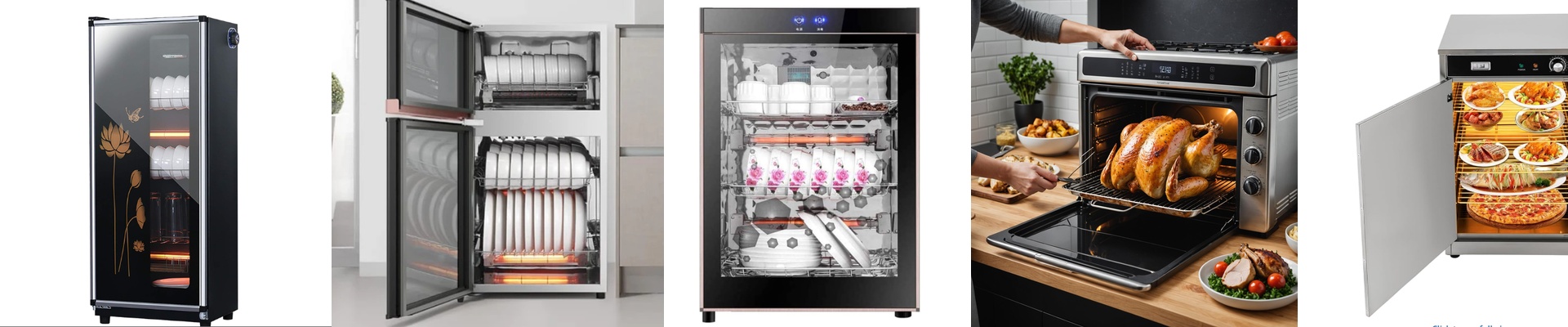
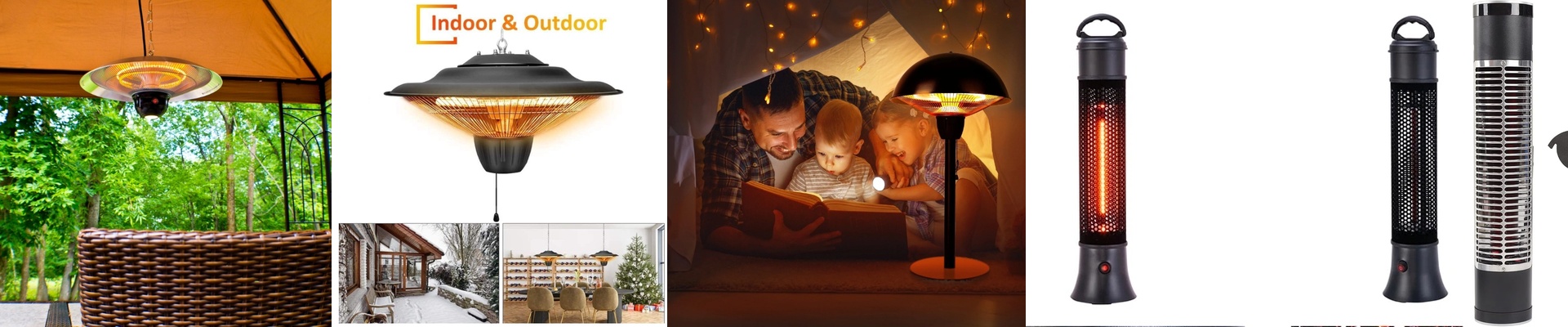
We run a high-output quartz element in this tower infrared heater, so it delivers radiant heat—warming people and surfaces straight off the mark instead of reheating a room full of air. Switch it on and you feel the warmth immediately, with no fan noise cycling on and off and none of that hot-air blast that dries out eyes and throats. The profile is tall and slim, so it slips alongside desks, tucks into corners, or sits near meeting areas without eating up walkways. A built-in thermostat keeps the comfort consistent, and tip-over protection gives you practical safety in busy office layouts.
Why this approach works so well in an office
Comfort and focus are tied together, especially in winter. Radiant warmth helps keep the room’s thermal balance steadier, so people aren’t bailing on their chairs to escape cold spots or constantly layering up and peeling off. That consistency supports sustained concentration, and it can take the edge off the fatigue that tends to creep in when the space feels drafty. Because the heater warms people directly, you can often run it with the air temperature a touch lower than you would with forced-air and still feel comfortably warm—energy use stays in check without making the space feel chilly.
The practical setup details
Here’s the thing: a tower infrared heater performs best when it has a clear line of sight to the people it’s serving, with minimal obstructions in the warmth path. It plugs into a standard outlet, and you want to keep adequate clearance from furniture and curtains. It delivers fast comfort, but it’s designed as supplemental heat for occupied zones, not a full replacement for the building’s main system. Pair it with your existing HVAC and zero in on the areas that always run cold.