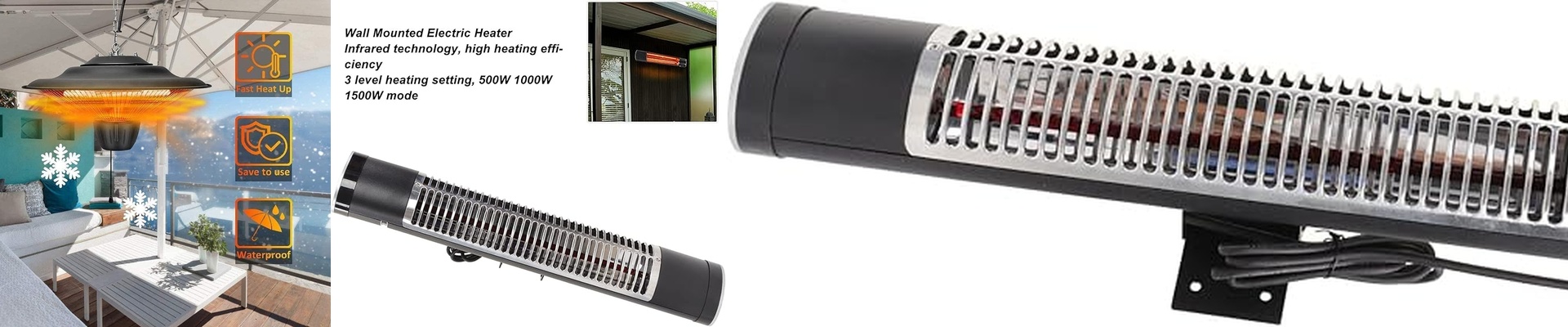
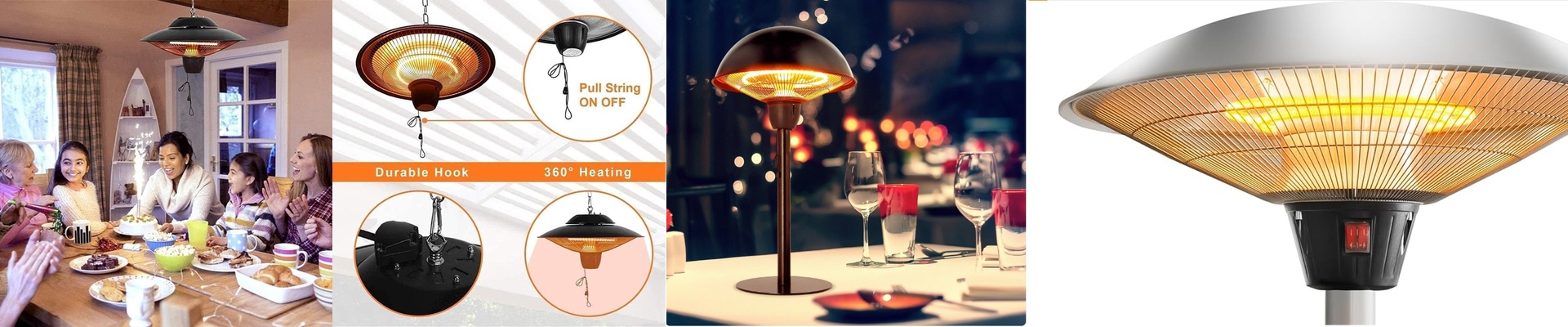
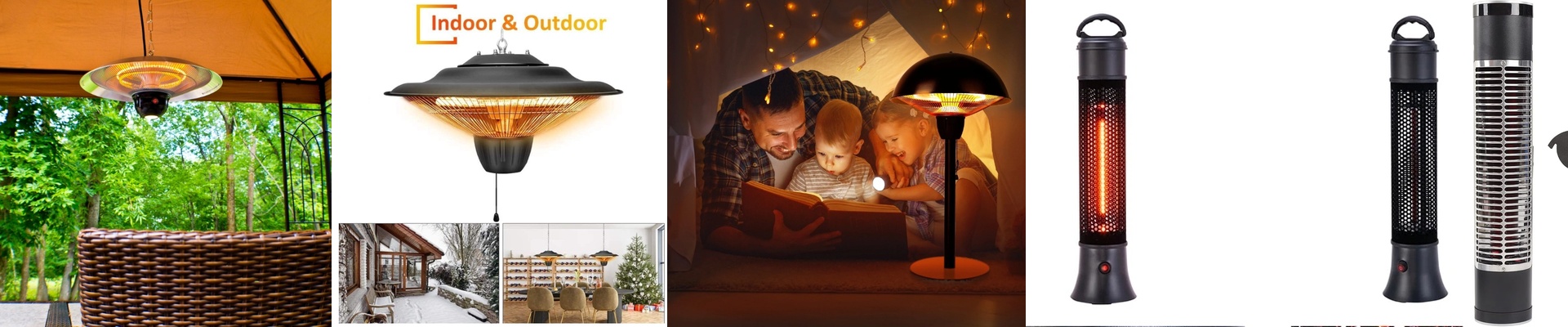
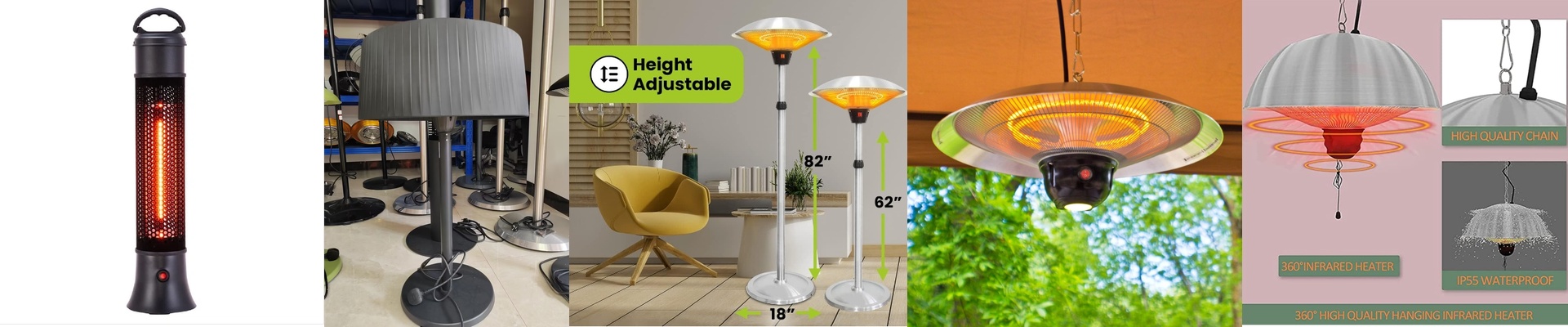
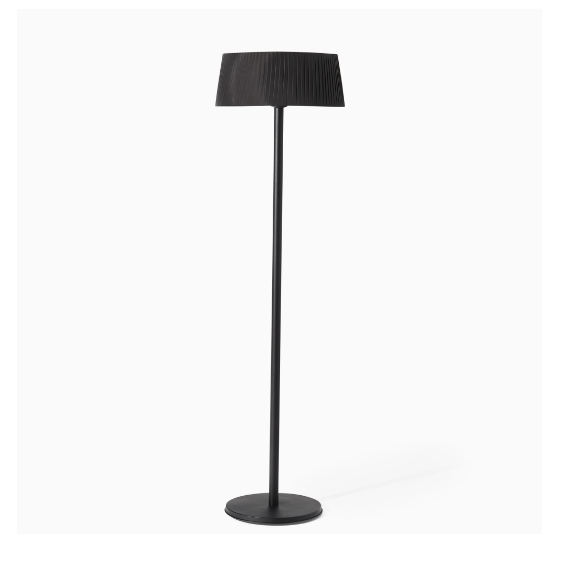
When evening drops a chill on the patio, it doesn’t just steal comfort—it cuts your time outside short. A freestanding fireplace heater has to put heat where people feel it, not waste it rising into empty air overhead. So we built this one around a practical decision: infrared radiant heat. We ran it through our own testing until the output profile lined up with how people actually feel warmth.
What matters under the hood
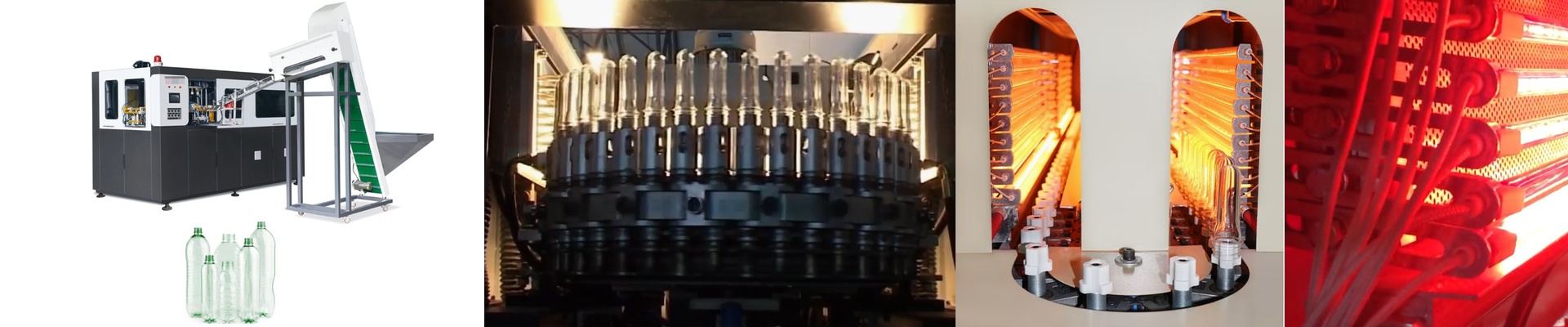
We run a high-efficiency infrared element behind a reflector that throws the energy forward, so you get warmth within seconds of flipping the switch. In the lab, every run is measured for consistent output, stability, and response—no guesswork, just numbers. The upshot is straightforward: the heater warms people and objects directly, instead of trying to heat the air above. That’s why you can sit comfortably even on breezy nights. It stands on its own with a wide footprint for stability, and it has tip-over protection that cuts power the instant it’s knocked out of position.
Why this layout works outside
The freestanding design matches how people actually use a patio: movable, quick to set up, and ready to anchor a seating area. Radiant warmth travels in a straight line, so you get a defined comfort zone—enough to keep conversation going and drinks from going cold. You also avoid the noise of a fan and the glare of a bright flame, which keeps the space feeling calmer and more inviting. The heater does its job quietly, keeping the focus on people, not on fighting the cold.
What to keep in mind for best results
For the best performance, position the heater so the radiant beam hits the seating area without furniture or walls blocking it. It’s designed for outdoor use, but wind can scatter warmth, so a sheltered corner helps. Keep clearances clear, and plug it into an outdoor-rated outlet on the correct circuit rating so you don’t trip breakers. Warmth hits fast, but the most comfortable setup comes down to placement.