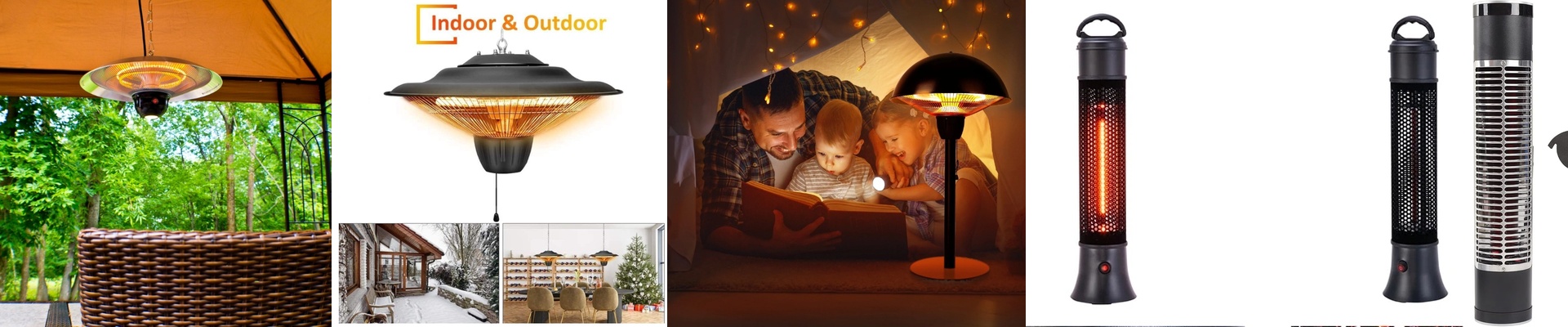
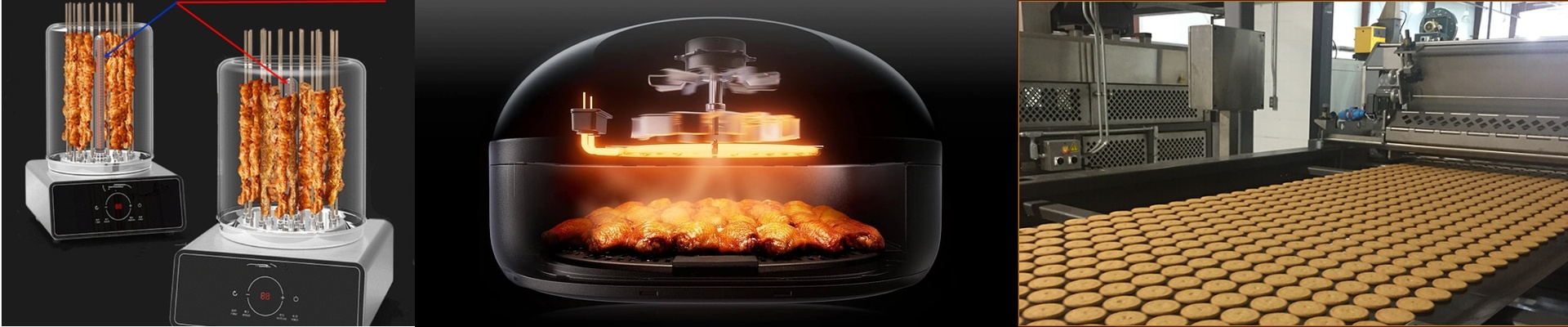

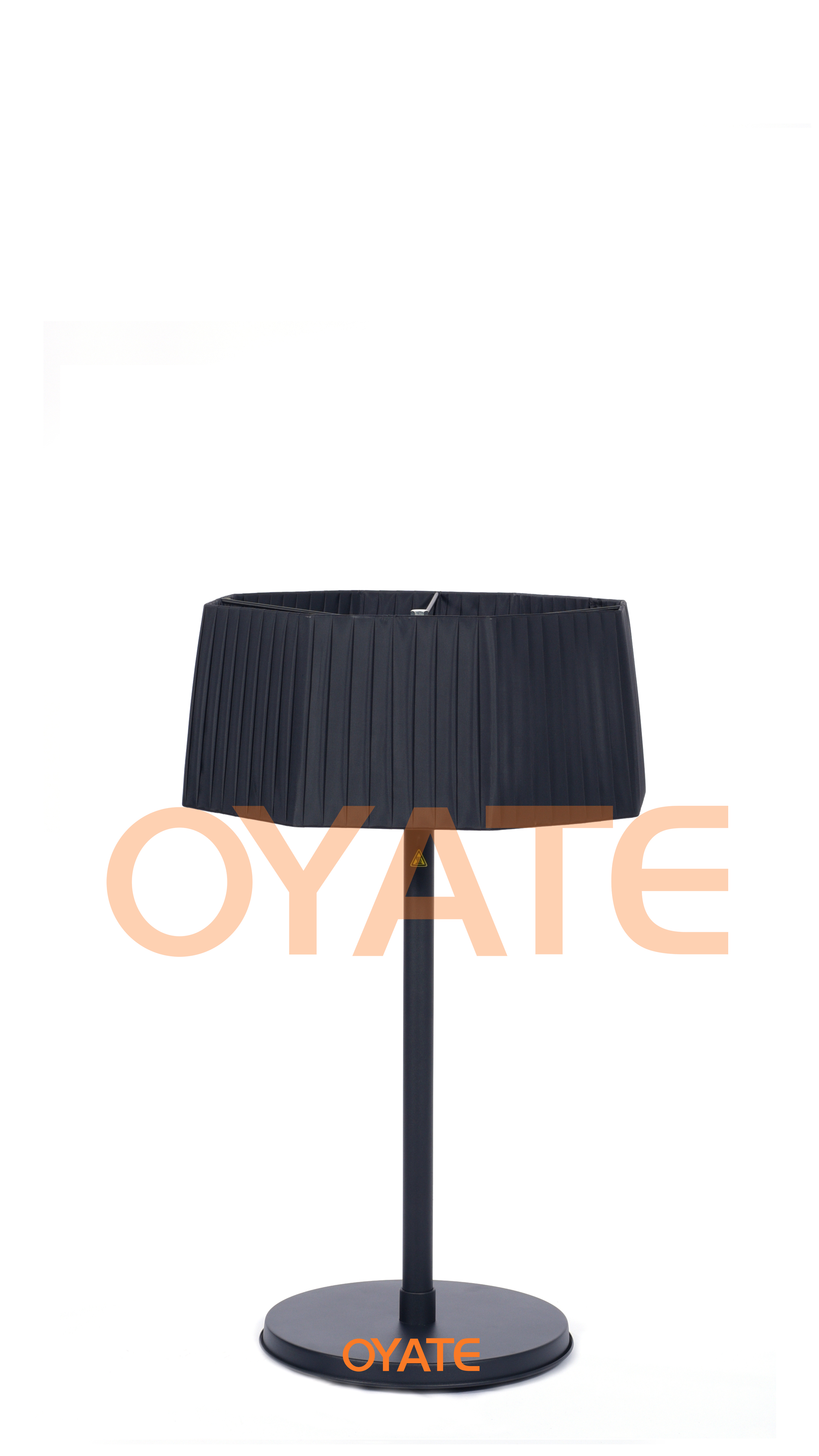
In a gallery, temperature isn’t just comfort—it’s conservation. Forced-air heaters kick up dust, push humidity around, and leave hot and cold pockets. For curators and conservators, that’s asking for trouble with delicate works. We built our infrared desktop heater to warm the space and the people in it, without stirring the environment the way conventional systems do.
What matters, technically
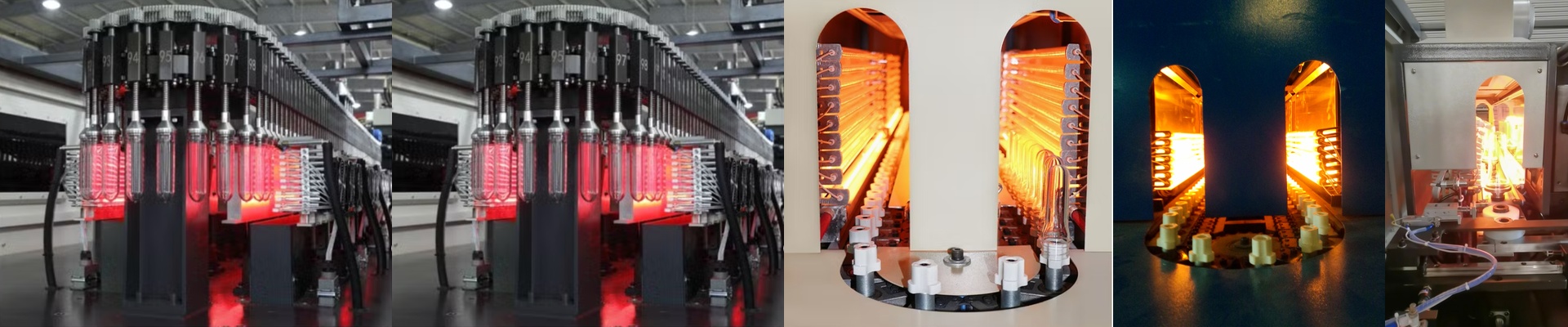
Infrared warmth is direct. The unit radiates gentle heat that travels outward, warming people and surfaces in line-of-sight—think sunlight on a cool day. Inside, a carbon fiber element comes up to temperature fast and holds steady, paired with a quartz tube that delivers clean, dry infrared output. You get quiet operation—no fan, no air movement—so pigments, paper, and textiles stay undisturbed. It runs on a standard electric supply, draws modest current, and sits compact on a desk or pedestal. That makes it work where space is tight and where airflow needs to stay still.
Why it fits the job
Galleries and museums need precise, localized heat that doesn’t stress the collection. Infrared heats occupants directly, so the ambient air can stay steadier and less aggressive. That means fewer swings that drive expansion, contraction, and condensation worries. The payoff is a calmer climate for conservation, consistent visitor comfort, and lower energy use because the heat is focused where it’s needed, when it’s needed. For staff working near sensitive materials, comfort is immediate—no drafts.
Practical notes
Infrared works best in line-of-sight, so position the unit to hit the seating and work areas you care about. It warms people and objects, not the air, so the room air temperature can feel cooler than with convection heating. Set it on a stable surface and keep the front clear. The heater gets warm to the touch, so allow clearance. In humid areas, confirm the IP rating is suitable, and keep cords tidy to prevent tripping. With thoughtful placement, you get comfort that respects the collection.