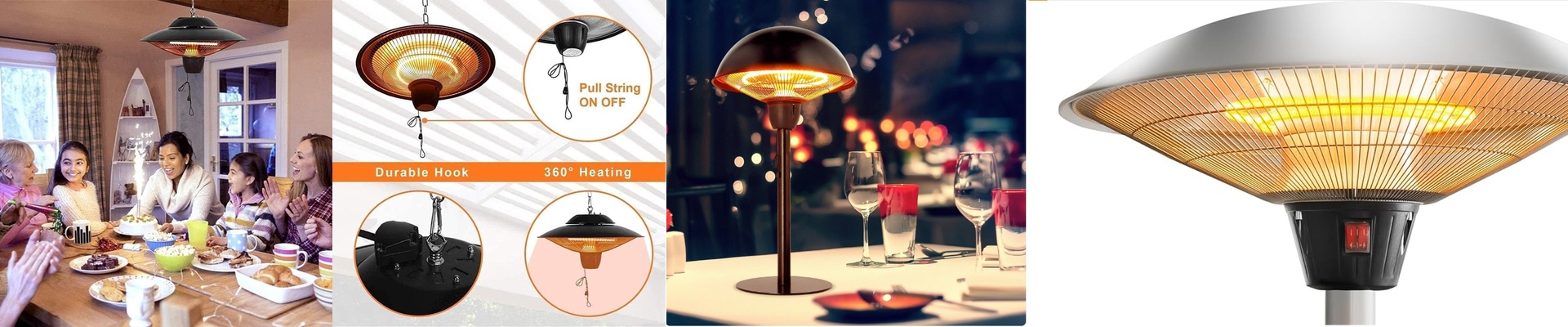

Cold evenings in the living room do more than make hands and feet feel chilled. For older adults, a sudden dip in ambient temperature can set off subtle body responses—blood vessels tighten, circulation slows, and muscles tense up. A conventional fan heater pushes air that rises and cools. Infrared warmth works differently: it delivers radiant heat that warms people and objects directly, the way sunlight feels on a winter afternoon.
What matters, technically
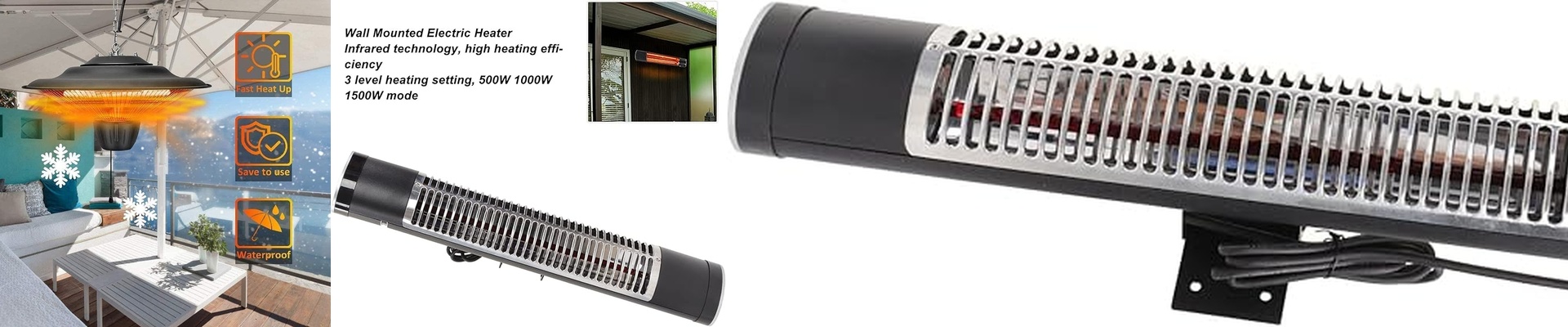
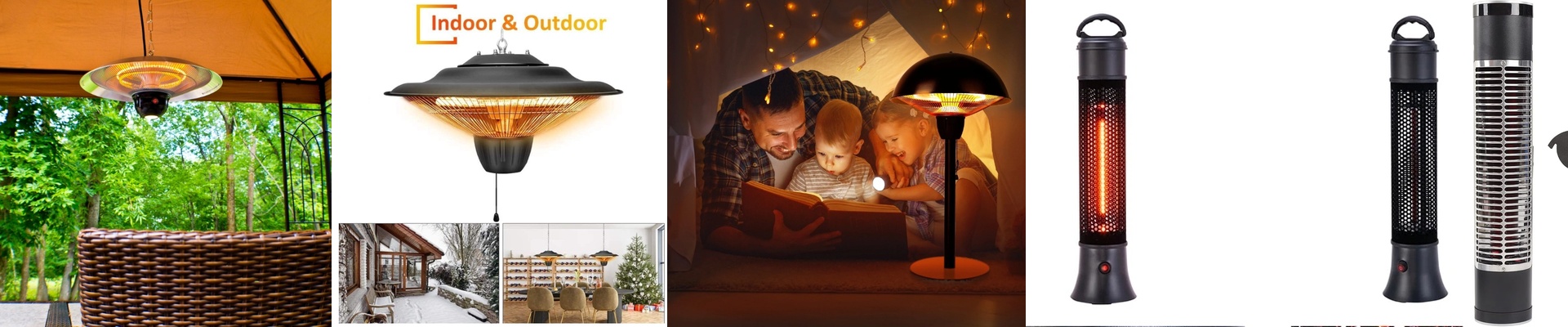
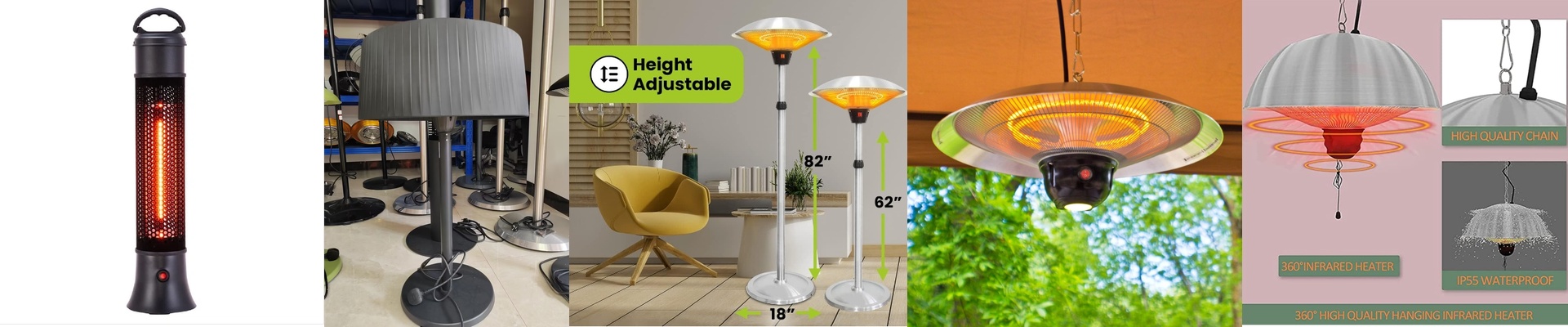
Indoor infrared heaters rely on radiant energy, not air movement, to transfer heat. A carbon fiber or quartz element produces medium-to-long wave infrared that penetrates the skin surface and warms tissues gently. This kind of warmth helps keep peripheral circulation steady, without the abrupt temperature swings that come from blasts of hot air. Most living-room electric infrared units run quietly, plug into standard outlets, and are paired with a thermostat and tip-over protection. Comfort stays consistent, and the unit stays safe.
Why this fits the living room
In a living room where seniors read, watch TV, or play games, infrared heating keeps the air from drying out and cuts down on drafts. The feel is gentle and even, which supports cardiovascular comfort—fewer cold-induced vascular contractions, more relaxed shoulders and limbs, and steadier core warmth. Because the heat is directional, you can place the heater where it’s needed, instead of heating the entire room to a high air temperature. That often translates to lower running costs and steadier comfort over long evenings.
The practical details
Infrared warmth is most effective when the unit has a clear line of sight to the seating area. Walls or furniture can cast “shadows” in the warmth. Plan for a nearby outlet and keep proper clearances around the heater. If kids or pets are around, choose a model with a protective grille. For whole-room comfort, some users pair an infrared heater with a low-speed circulating fan to ease cooler pockets—without the noise of a forced-air heater.