
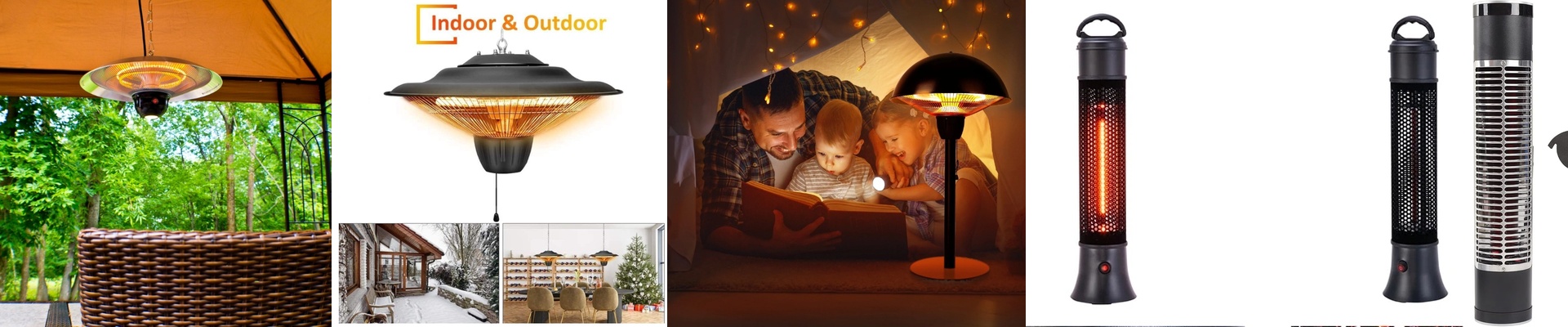
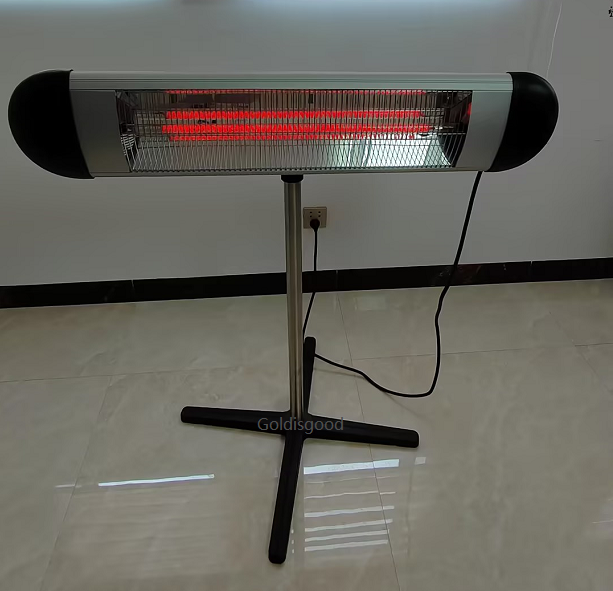
In an office, cold isn’t just uncomfortable—it tanks productivity. When desks sit in a chilly pocket, fingers stiffen, focus wanders, and more people call in sick. Forced-air systems often leave some seats baking while others are still shivering, and jacking up the thermostat just sends the energy bill higher. That’s why bringing a dimmable infrared patio heater indoors as an electric radiant heater makes sense. It’s a targeted fix for the spots that actually need heat. What’s actually happening under the hood Infrared warmth goes straight to people and objects, not the air around them. A dimmable infrared heater uses a carbon fiber or quartz element to deliver radiant heat, typically in the short-wave or near-infrared band, and it comes on fast. The dimming—via thermostat or variable power settings—lets you match output to the room and the moment, so you’re not wasting watts. Office-friendly units usually run on 120V or 240V, pull 1,500–3,000W, and stay compact enough for wall mounting or discreet placement. Most include basics like tip-over protection and an overheat cutoff, plus an IP rating for dust and moisture resistance if you’re running it near an entrance. Why this approach hits the mark in an office The real issue is uneven warmth. With radiant heat, you can take the edge off around workstations, meeting areas, and break zones without overheating the whole building. People get steadier comfort, better circulation, and less of that muscle tightness that comes from sitting still. Fewer cold drafts and more consistent temperatures mean teams feel better throughout the day, and that steady, draft-free warmth keeps workflow from stalling. Energy use often drops because you’re heating people and task zones, not dumping heat into empty ceiling space. The practical details that matter Infrared is directional, so placement is everything. Mount or position the heater to cover the seating area without shining directly into eyes. For best results, pair it with a thermostat and set it to maintain comfort, not scorch. Check your circuit can handle the wattage, and make sure the heater is rated for indoor use—or the specific environment you have in mind. If you want coverage that feels even, use multiple units and overlap the warmth, and keep the heater clear of obstructions.