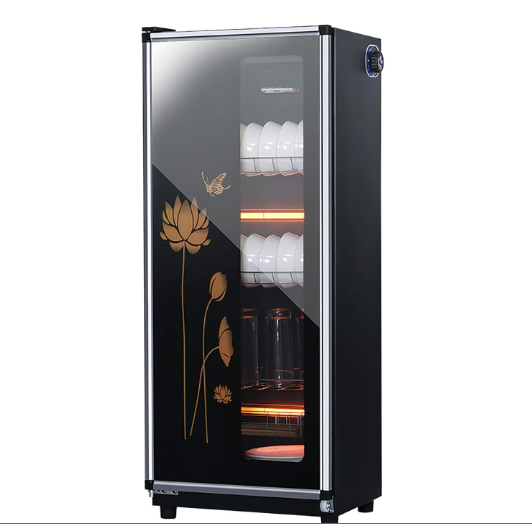
Stop Waiting on Your Oven to Warm Up
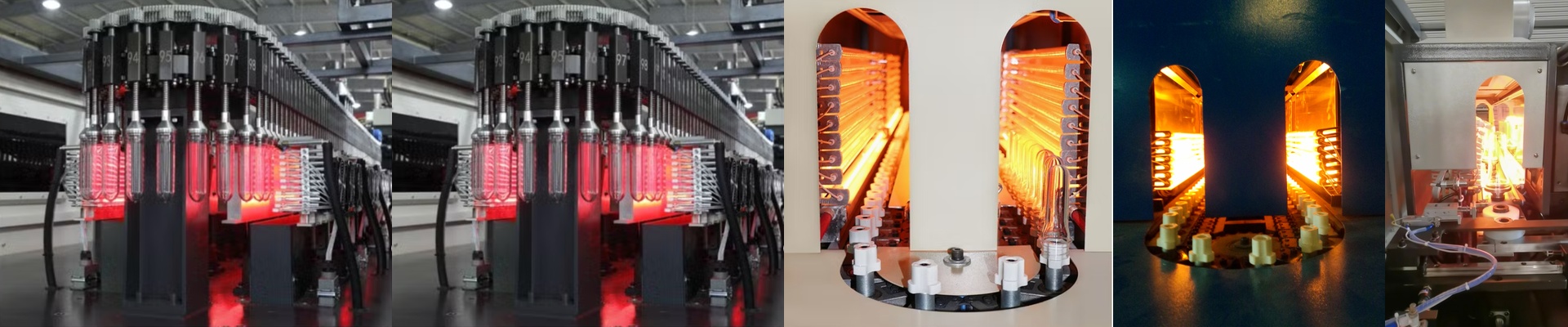
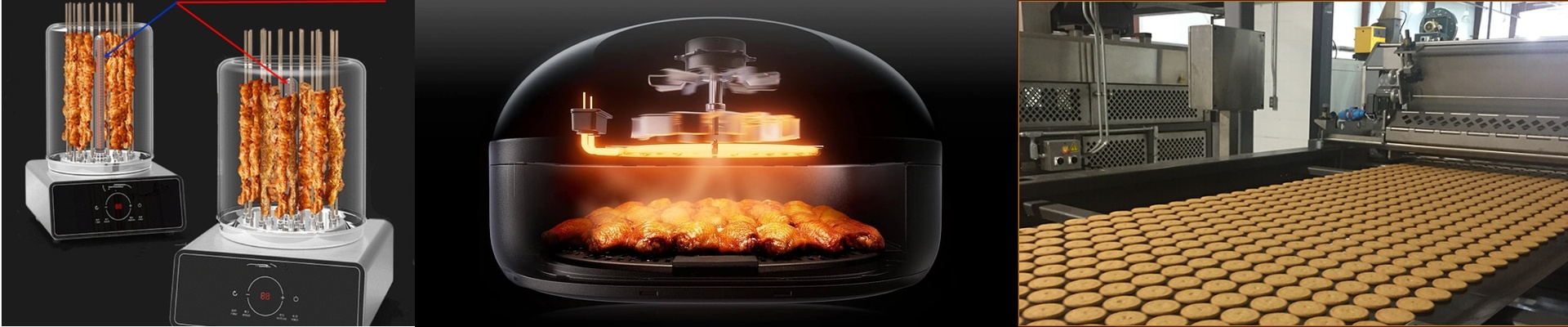
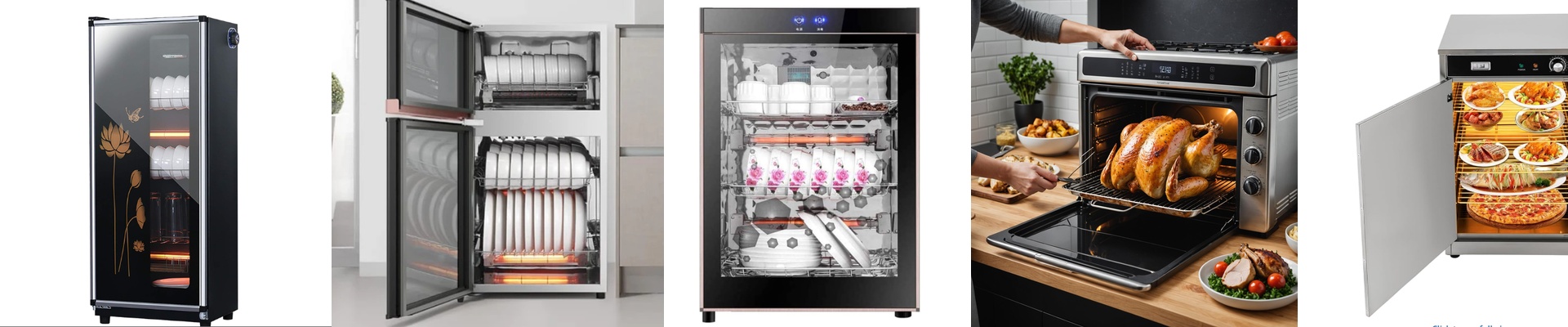
Let’s be honest: standard convection heating is slow. It relies on moving air, and air just doesn’t move heat quickly enough when you’re in a rush. If you’re trying to hit a specific surface temperature right now, waiting for the air to catch up is a nightmare. That’s why we use medium-wave infrared (IR) bulbs. Instead of heating the air and hoping it reaches your product, these lamps shoot energy straight into the food or material. No middleman.
Why “Second-Level Response” Actually Matters
Here is the thing about medium-wave IR: it hits the sweet spot for how most foods and industrial materials absorb heat. Traditional elements take forever to get going. These quartz bulbs? They hit full power in seconds. We call it “second-level response,” but in plain English, it just meansit’s fast. When your oven reacts that quickly, your whole production rhythm changes. You can tighten up your timing and you don’t need a massive, sprawling oven just to compensate for slow heat-up times.
Getting the Setup Right
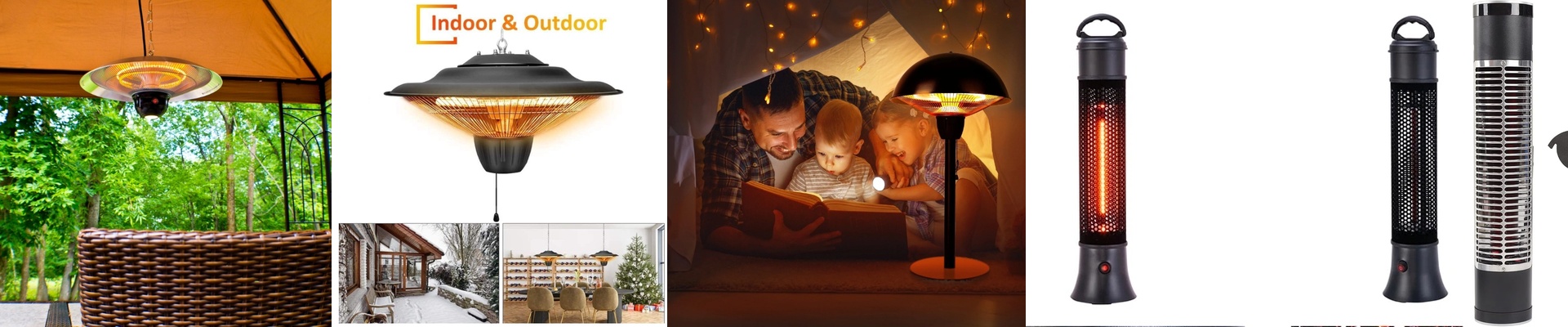
We make these bulbs out of high-purity quartz glass because they have to handle the shock of jumping from cold to screaming hot over and over again. Depending on your power setup, we’ll tweak the voltage so the heat density fits your oven’s size. Wiring them is pretty straightforward—standard industrial connectors do the trick. But a word of caution: keep an eye on your controller’s SCR rating. It’s tempting to overdrive the bulb to shave a few more seconds off your cycle, but don’t do it. You’ll just burn out the filament and be back at square one.
The Secret to an Even Bake
Direct IR is incredibly fast, but it’s also very directional. If your product has weird shapes or uneven edges, you’re going to end up with hot spots. The fix is simple: pair the bulbs with a convection fan. Think of the IR as the “kick” that gets the surface searing instantly, while the moving air handles the heavy lifting of cooking the core. One last tip—these high-wattage tubes put out a lot of radiant heat. Make sure your oven housing is well-insulated. You want to bake your product, not your electronics.