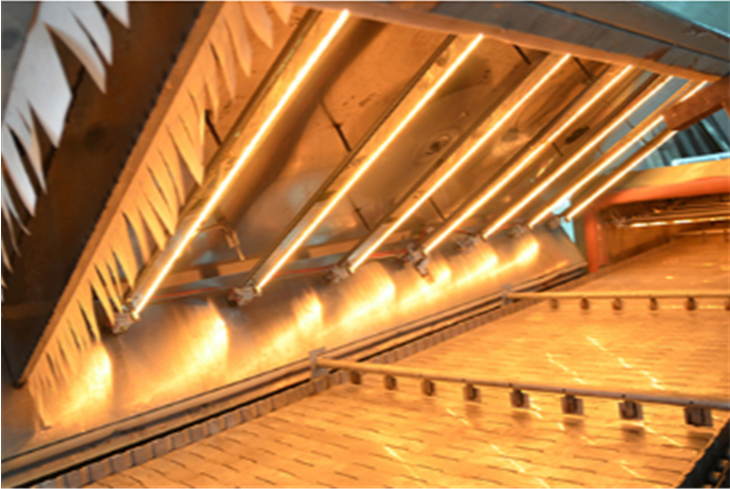
Stop Waiting on Your Oven to Heat Up
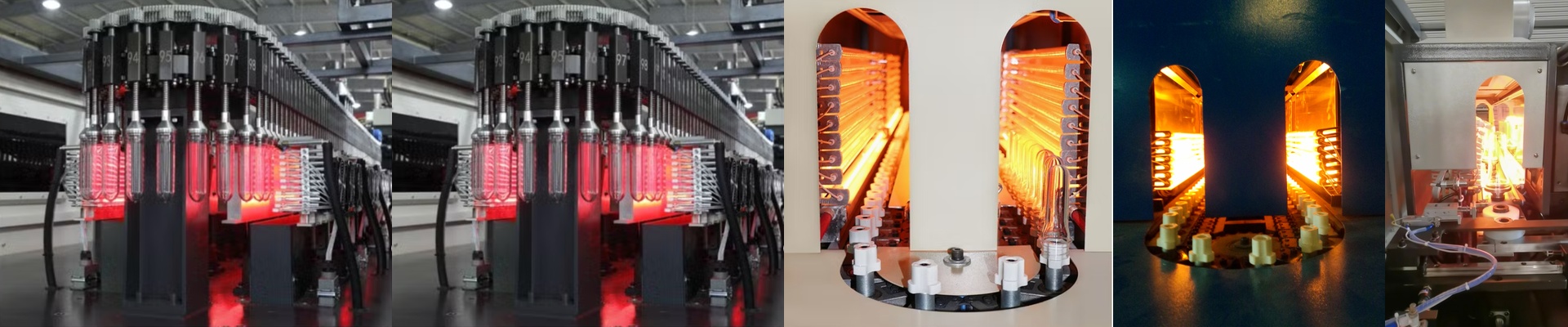
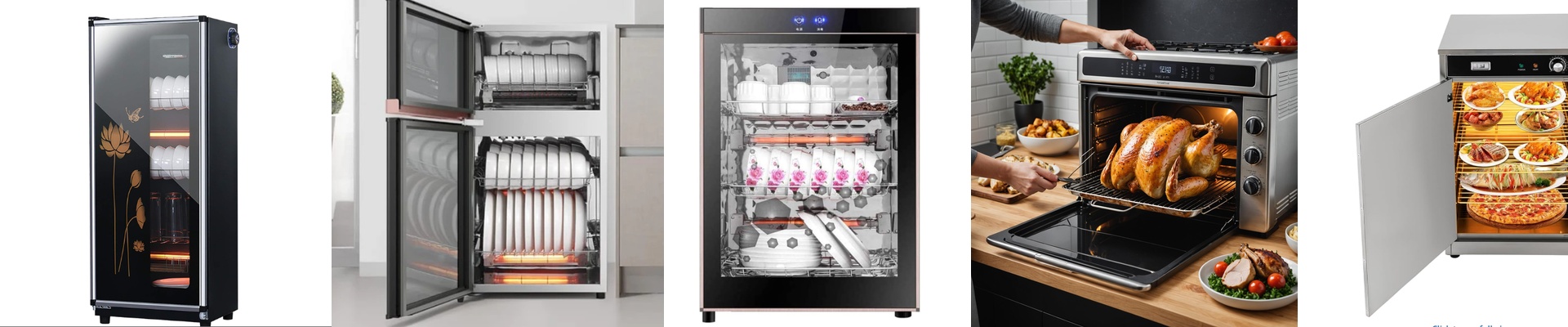
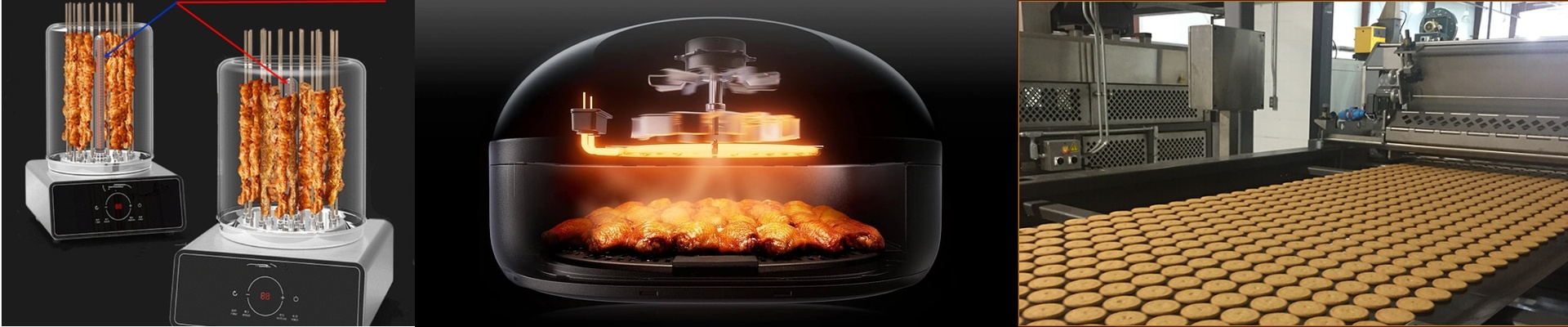
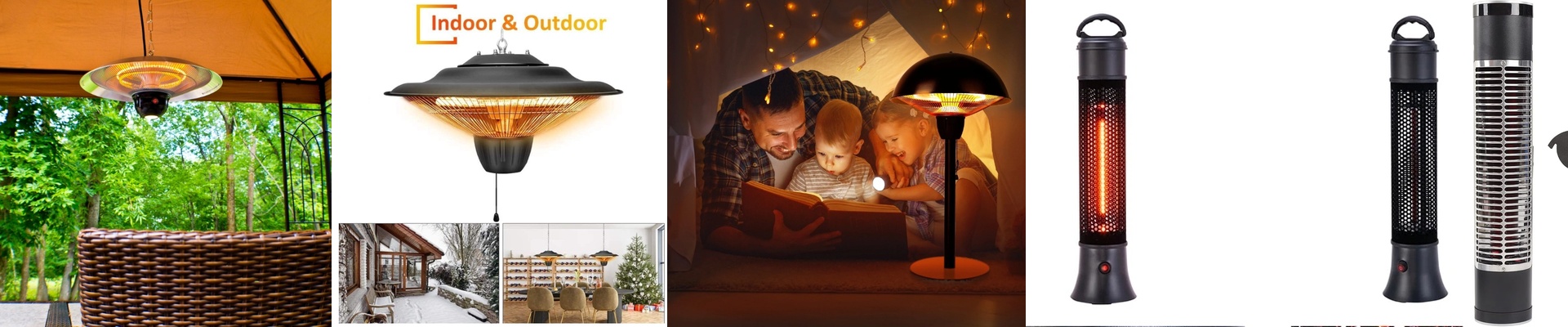
There is nothing more frustrating than a deck oven that just won’t get up to temp when you’ve got a line of orders waiting. It kills your rhythm. If your standard heating elements can’t keep up with your workload, you might want to look into frosted quartz IR emitters. Think of these as a turbo boost for your oven. Instead of wasting time heating up the air, they beam energy straight into the food.
Why “Frosted” Matters
If you use clear quartz tubes, you’re basically dealing with a heat laser. It’s too concentrated. You’ll end up with burnt crusts in one spot and raw dough in another. That’s why we go with the frosted finish. It scatters the heat. It spreads that energy out across the whole surface, so you get a nice, even bake without the scorched patches.
The Nitty-Gritty on Power
These use shortwave IR. In plain English? The heat sinks deeper into the food much faster. You aren’t just searing the outside; you’re getting the core temperature up without the long wait. When you’re picking your tubes, keep an eye on the wattage relative to the length. You can get a ton of heat in a very small space, which makes them great for sliding into your existing oven ceiling. But a word of caution: if you pack too much wattage into a tight spot, your oven chassis is going to feel it. Make sure your vents are actually doing their job, or you’ll be tripping your thermal cut-offs all day.
Getting Them Running (and Keeping Them Alive)
We use standard industrial connectors, so you can basically just pop them in. If you want to get fancy, wire them to a PID controller. That way, the power adjusts itself based on the actual temperature in real-time. One last thing:be gentle with the quartz. It can handle insane heat, but it can’t handle a bump or a smudge. If you touch the glass with your bare hands, the oils from your skin leave a mark. That mark creates a hot spot, and that hot spot will blow the tube. Always wear gloves. No exceptions.