Why the Best Bakers are Switching to Infrared
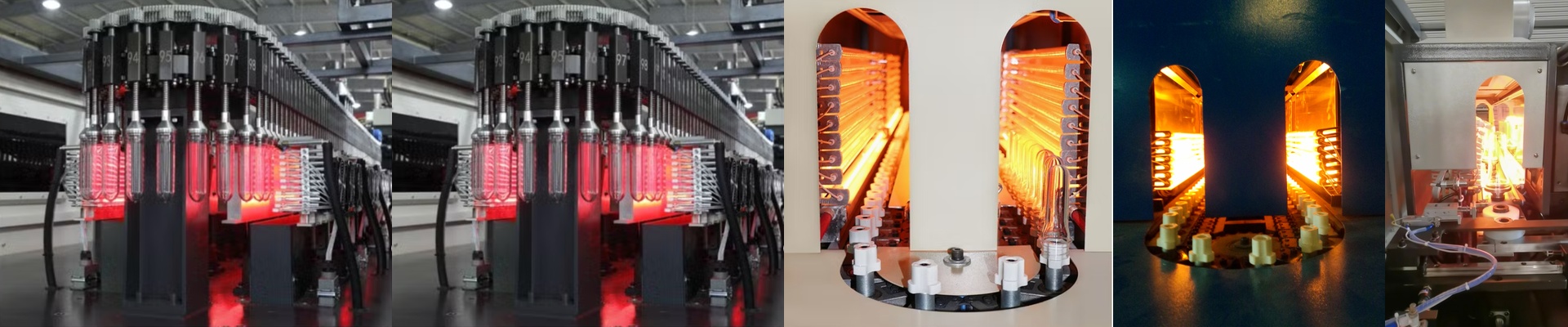
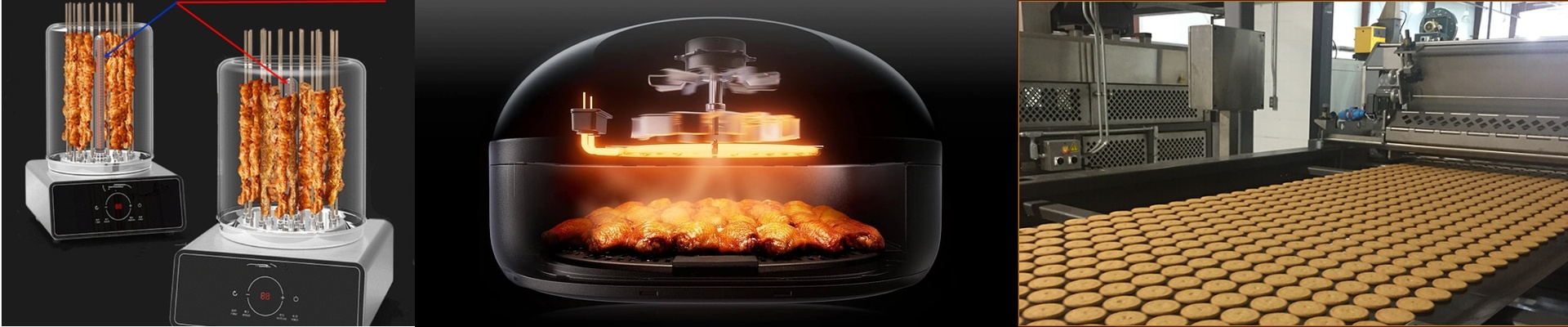
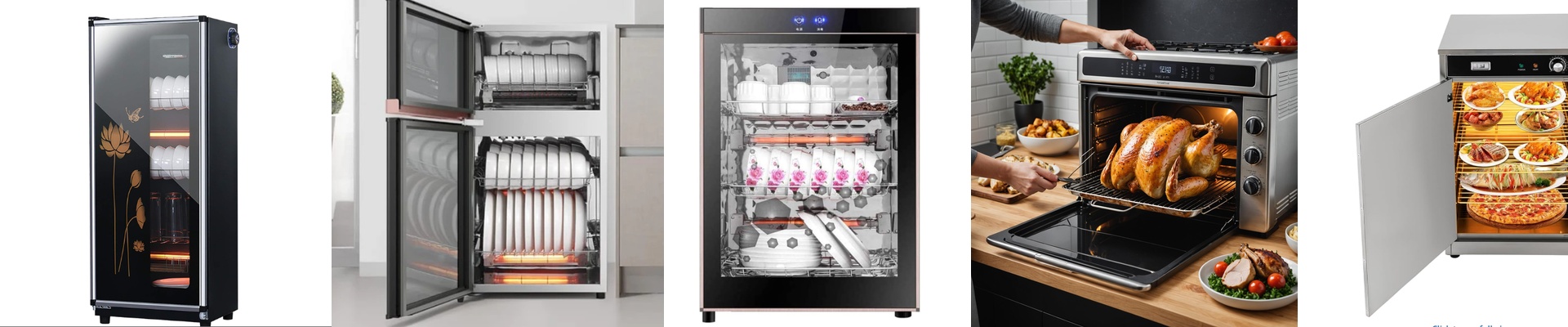
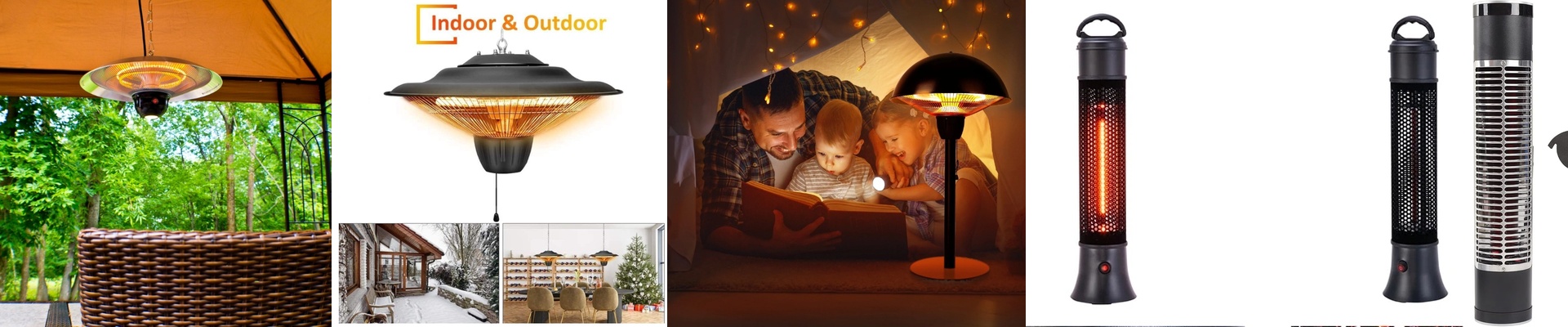
Most ovens just blow hot air around. That’s fine if you’re baking a hundred loaves at once, but when it comes to reheating or putting the finishing touches on a crust, hot air isn’t enough. That’s why we use infrared (IR) tubes. Instead of heating the air, they send radiant energy straight into the bread. It hits the crust fast and deep, but it doesn’t mess with the inside.
The secret to that “just baked” feel
Think about when you reheat bread in a microwave or a standard oven. It usually ends up tasting stale or gummy. That happens because the heat takes too long to get where it needs to go, and the moisture just evaporates. IR tubes change that. The heat transfer is almost instant. Because the cycle is so short, the inside stays moist while the outside gets that perfect, satisfying crunch. It’s the difference between “reheated” bread and bread that actually tastes fresh.
The nuts and bolts
We build these tubes out of high-purity quartz glass. We use quartz because it can handle being turned on and off rapidly without cracking. Depending on how big your oven is, we tweak the wattage and voltage to make sure the heat is exactly where it needs to be. One quick heads-up: if you’re putting a high-wattage tube in a tight spot, the rest of the oven chassis is going to feel it. You’ve got to make sure your vents and cooling are up to the task. If the air doesn’t move, you’ll fry your wiring insulation, and nobody wants to deal with that.
Keeping things running
We don’t believe in making repairs a nightmare. Our tubes use standard connectors, so when one finally gives out, your tech can just pop a new one in. No need to tear the whole machine apart. But here’s the catch: quartz is finicky. Never touch the glass with your bare hands. It sounds weird, but the oils from your skin create “hot spots” on the glass. When the tube heats up, those spots cause the glass to stress and crack. Just keep them clean, keep them aligned, and they’ll last a long time.