Stop Burning Your Bread: Why Fast Heat Matters
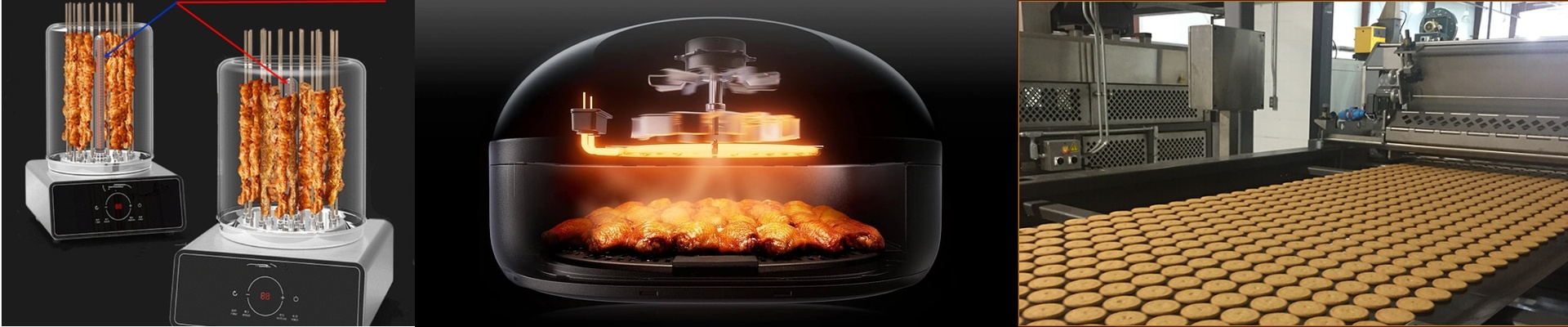
In industrial baking, a few seconds is all it takes to turn a perfect golden crust into a charcoal brick. It’s a nightmare. Most ovens struggle with this because they have too much “thermal lag”—basically, they can’t stop heating the moment you tell them to. That’s why we stick with medium wave IR emitters.
The problem with “heavy” heat
Think about a standard heating element. It’s like a heavy cast-iron skillet; once it gets hot, it stays hot. Even after you flip the switch off, it keeps pumping heat into your dough. This is what causes that annoying temperature “swing” where the oven overshoots the mark and ruins your batch. Our quartz tubes work differently. They use radiation, not convection. The second your controller cuts the power, the heat stops. No lag. No guessing. You hit your target temperature and you actually stay there.
Getting the bake just right
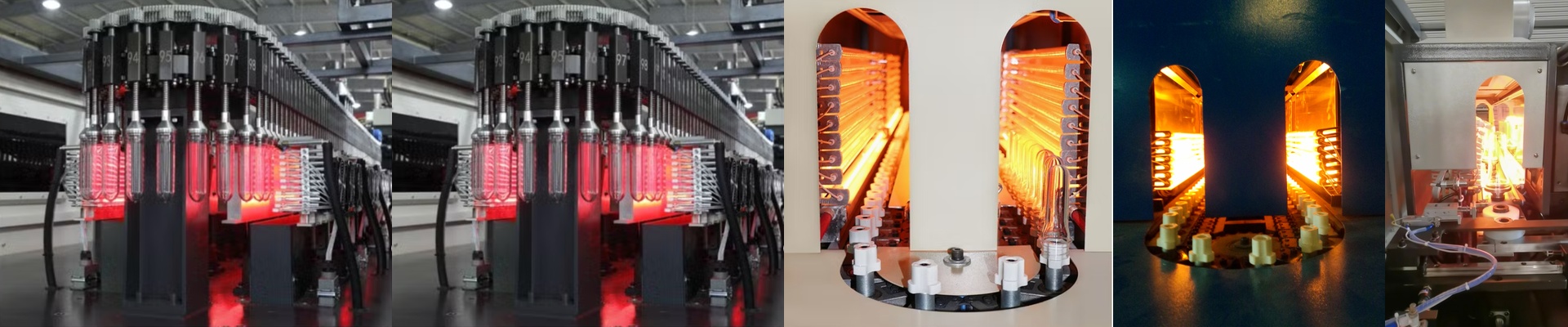
We don’t just pick any IR; we use medium wave specifically because of how it hits the bread. Short wave is too aggressive on the surface. Medium wave actually sinks in a bit deeper, so your loaf cooks through to the center without the outside getting scorched. Plus, we use a rugged quartz envelope. You can crank the power up and down all day long, and the glass won’t crack under the pressure. One small tip: don’t skimp on the connectors. A loose wire creates a hot spot, and that’s a fast track to a burnt-out terminal.
The “hidden” side of the engineering
Here is the catch: high-density IR puts a massive strain on your power supply. If you’re cramming a dozen 2kW tubes into a tight space, your control cabinet is going to get hot. Really hot. You have to be smart about your cooling fans and the thickness of your wiring. If your wires are too thin, you’ll get voltage drops. And when the voltage drops, your temperature consistency goes right out the window. It’s a simple fix, but it’s the difference between a professional setup and a headache.