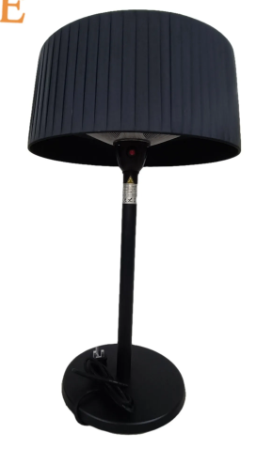
Keeping Your Outdoor Pergola Actually Warm
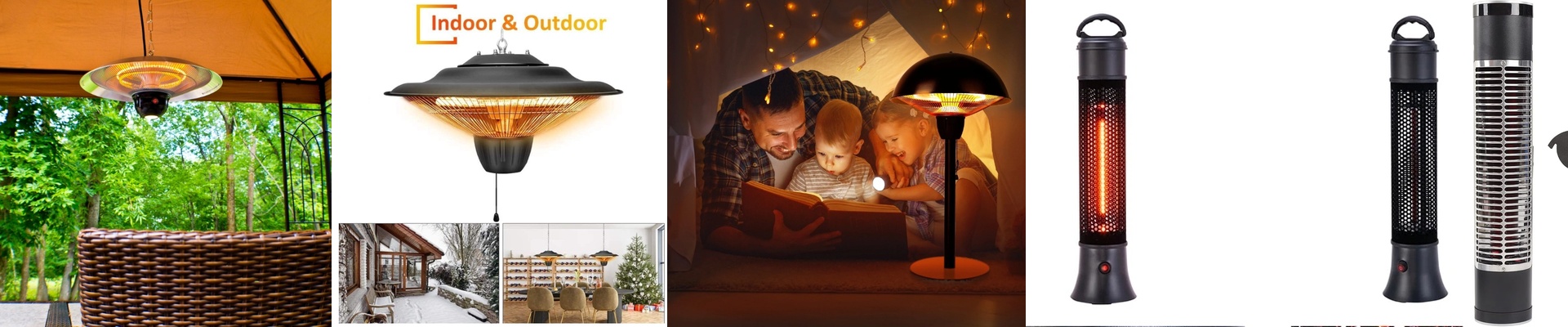
Trying to heat an outdoor pergola or a changing area is usually a losing battle. If you use a standard heater, you’re basically trying to heat the entire outdoors. The wind just grabs that warm air and whisks it away before it even touches you. That’s why we use shortwave infrared. Instead of fighting the wind, it works like the sun. It travels in a straight line and hits you directly. You go from shivering in a changing zone to feeling toasted in a matter of seconds. The Heat Factor We built these things for speed. By using quartz heating elements, we get a kind of heat that actually sinks into your skin and clothes. There’s no waiting around for the unit to “warm up.” You flip the switch, and it’s hot. Right now. But a heads-up: this kind of power takes a lot of juice. If you’re installing a row of 2000W units, make sure your breaker panel can actually handle it. You don’t want the power cutting out the moment everyone gets comfortable. Built for the Elements Let’s be real—pergolas are brutal on electronics. You’ve got rain, humidity, and if you’re near the coast, salt spray that eats everything. To stop that from happening, we tucked the electronics into waterproof casings. We also used high-temp gaskets to seal the quartz tubes so moisture can’t sneak into the terminals. Even the reflectors are made from alloys that won’t rust, which ensures the heat stays pointed down at the people, not soaking into the machine itself. Getting the Install Right We kept the footprint small so your pergola still looks like a pergola, not a factory ceiling. They’re designed to slide right into standard mounts without a fuss. One thing to watch out for, though, is the “throw.” Shortwave heat is all about distance. If you mount them too high, you’ll barely feel it. Too low? You’re going to bake your guests. It’s all about finding that sweet spot between the wattage and the height to get the coverage just right.