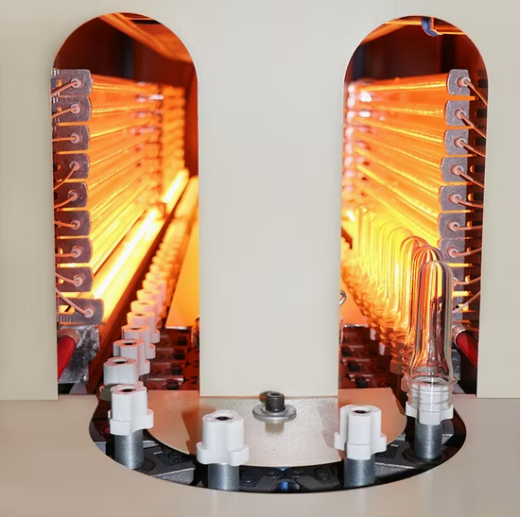
Getting Your Sidel Ovens Back in Shape: A No-Nonsense Guide to IR Lamps
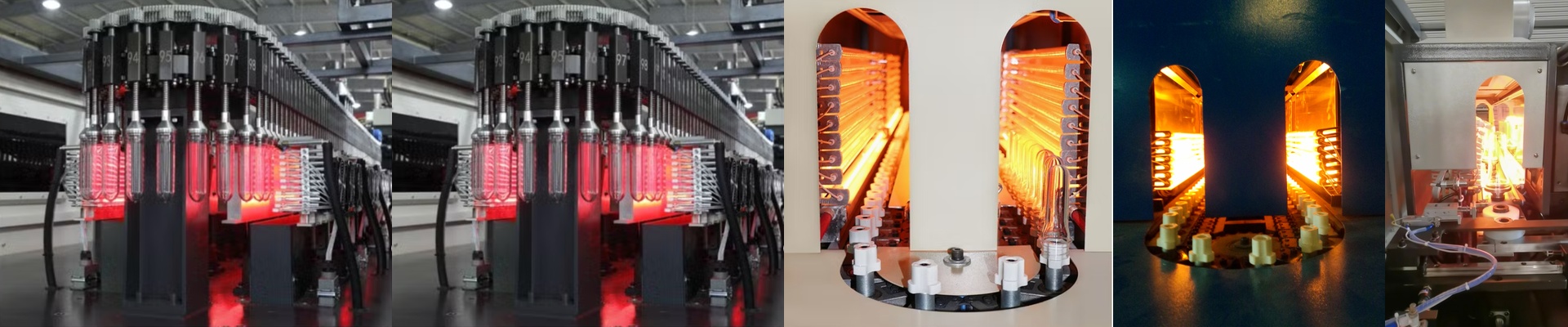
If you’ve ever dealt with uneven wall thickness or that annoying pearlescence in your PET bottles, you know the struggle. It all comes down to heat. If the distribution is off, the whole batch is a waste. That’s why we don’t just “make lamps.” We build them specifically to slide right into Sidel equipment—whether you’re still rocking the classic SBO lines or you’ve moved up to the Matrix series.
It’s All in the Fit
Here’s the thing: a lamp that’s “close enough” isn’t actually close enough. We obsess over the specs. We’re talking exact electrical matches and physical footprints. If your wattage or voltage is slightly off from your power supply, those lamps are going to burn out way faster than they should. And the physical fit? That’s where people usually get tripped up. We use precision-ground quartz ends so the lamps sit perfectly flush in the reflectors.**Two millimeters.**That’s all it takes to create a hot spot that ruins your preforms. We don’t leave that to chance.
The Nitty-Gritty Hardware
Depending on which generation of machine you’re running, we use R7s or SK15 connectors. We chose these because they can take a beating from high thermal loads without melting your housing into a plastic mess. We use halogen-filled shortwave tubes because they heat up fast. Really fast. In a high-speed production environment, you can’t afford to wait around for your oven to catch up. Plus, we have coated options that help the heat soak deeper into the PET plastic, rather than just scorching the surface.
Just Plug and Play
The best part? These are true drop-in replacements. You won’t be spending your weekend rewiring brackets or hacking away at your machine to make things fit. You just plug them in and get back to work. But a quick heads-up: if you’re tempted to bump up the wattage to squeeze out a few more cycle speeds, be careful. Higher power puts a lot more stress on your cooling blowers. Before you go for a higher power density lamp, double-check your airflow. If your cooling can’t keep up, you’ll overheat the lamp ends and fry your quartz tubes. It’s a trade-off that usually isn’t worth the headache.