
Why Your Bathroom Heater is Actually a Dehumidifier
Most people think of those ceiling heater lamps as just a way to keep from shivering when you step out of the shower. But there’s a bigger picture here. For us, it’s less about the “warm and cozy” feeling and more about fighting a war against moisture.
The secret is in the waves
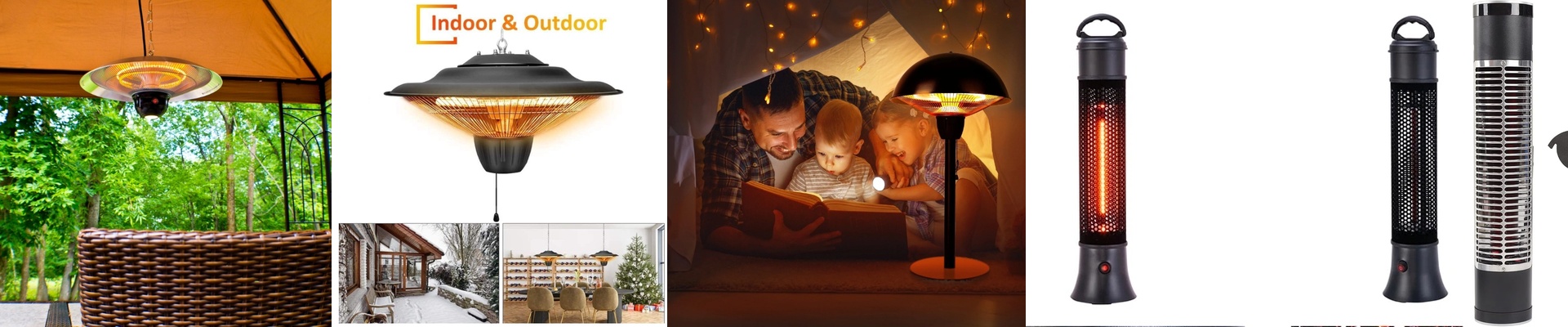
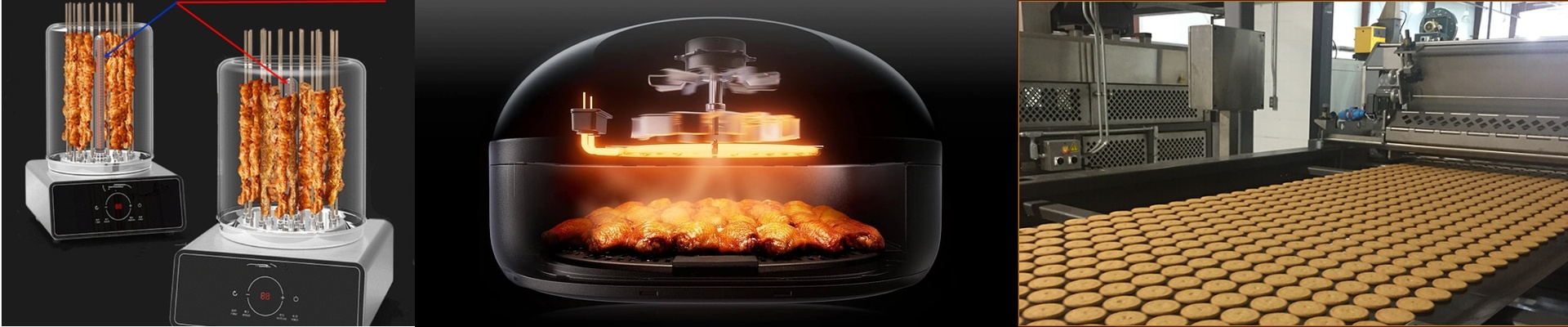
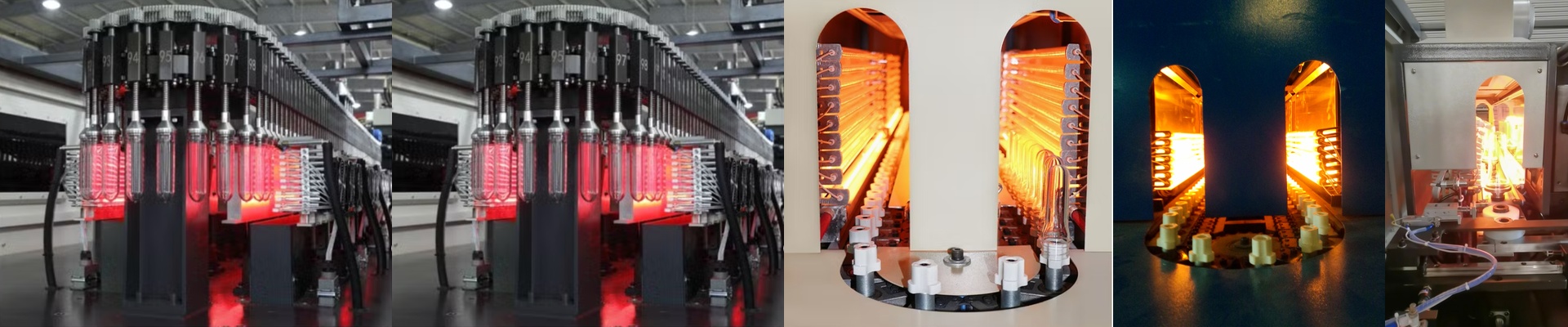
We use something called shortwave infrared (SWIR). Now, don’t let the science-y name bore you. Here is the simple version: most heaters try to warm up the air in the room. That takes forever. Shortwave radiation is different. It cuts right through the air and hits the surfaces—your walls, your floors, your tiles. It targets the water molecules sitting on those surfaces and kicks them into gear, forcing that dampness to evaporate way faster than it would on its own. Think of it this way: you aren’t warming the room to dry the walls. You’re warming the walls to dry the room. It’s a much smarter way to handle a steamy bathroom.
Keeping the mold away
Mold is a nightmare. It just needs a little bit of organic gunk and some stagnant water to move in and take over. By keeping the corners of the ceiling and the walls warm, we stop the “dew point” from happening. If the surface stays warm, water can’t bead up. And if the water can’t bead up, mold has nowhere to grow. We tune these lamps to hit a specific intensity. This means that even in a super humid bathroom, the moisture vanishes before it has a chance to soak into your grout or peel your paint.
A couple of things to watch out for
It’s not all magic, though. There are some trade-offs. Because these lamps are so powerful and focused, they create intense heat exactly where they’re pointed. If you hang them too low or pick a wattage that’s too high for a tiny room, you’re going to end up with “hot spots.” You’ll feel like you’re standing under a heat lamp at a buffet. You’ve got to get the distance between the ceiling and the floor just right. That’s the sweet spot where the walls stay bone-dry, but you don’t feel like you’re melting.