
Making Heaters That Actually Survive Your Bathroom
Let’s be honest: bathrooms are a nightmare for electronics. You’ve got wild temperature swings one minute and a thick cloud of steam the next. It’s a brutal combo. If a seal slips or the insulation gets tired, the whole thing shorts out or the heating element just gives up.
How we break things on purpose
We don’t just run a couple of tests and call it a day. We put these heaters through a kind of “torture chamber.” We lock them in a room with scorching heat and saturated humidity for hundreds of hours. Why? Because we want to find the breaking point. We want to see exactly when the gaskets fail or when the electrical parts stop holding up. Moisture is the real villain here. Once vapor sneaks inside, it starts eating away at the terminals or creating tiny electrical paths on the circuit board where they shouldn’t be. By cramming years of bathroom steam into a few weeks, we find the leaks before the product ever reaches your warehouse.
The battle against “creep”
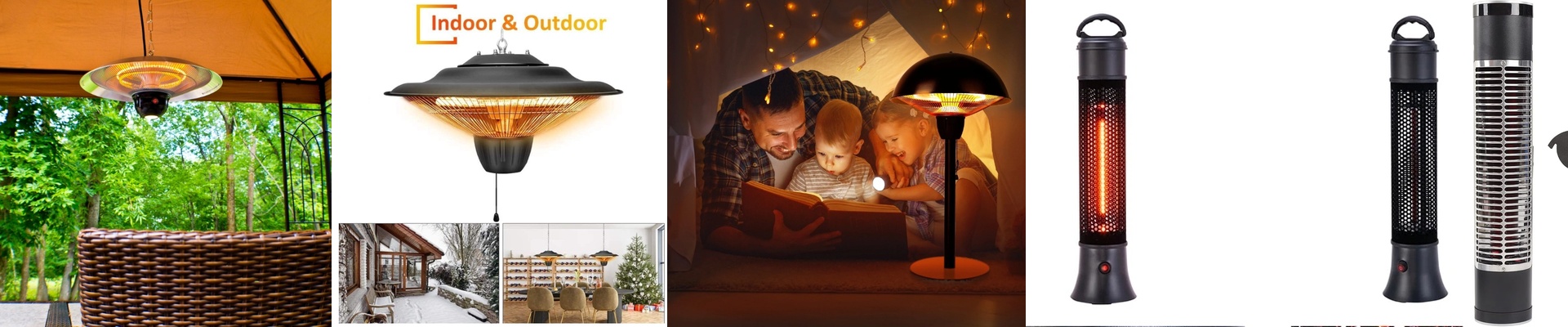
Think about the quartz glass and those halogen filaments. Every time you hit the switch, they expand. When you turn them off, they shrink. In a dry room, that’s no big deal. But in a steamy bathroom? Any tiny crack or gap becomes a vacuum that sucks moisture right in. We keep a close eye on something called “creep”—that annoying way plastics and rubbers slowly deform under heat. If a seal shrinks by even half a millimeter, the waterproofing is basically gone.
Finding the sweet spot
Here’s the tricky part: you can’t just wrap the whole thing in heavy-duty rubber. If you over-seal it, you trap the heat inside, which can fry the capacitors. So, we play a balancing act. We tweak the vent paths so the unit can “breathe” and equalize pressure without letting the steam in. The result is a heater that won’t trip your breaker—as long as your bathroom fan is actually doing its job and keeping the air moving.