Keeping Things Safe When Heat Meets Water
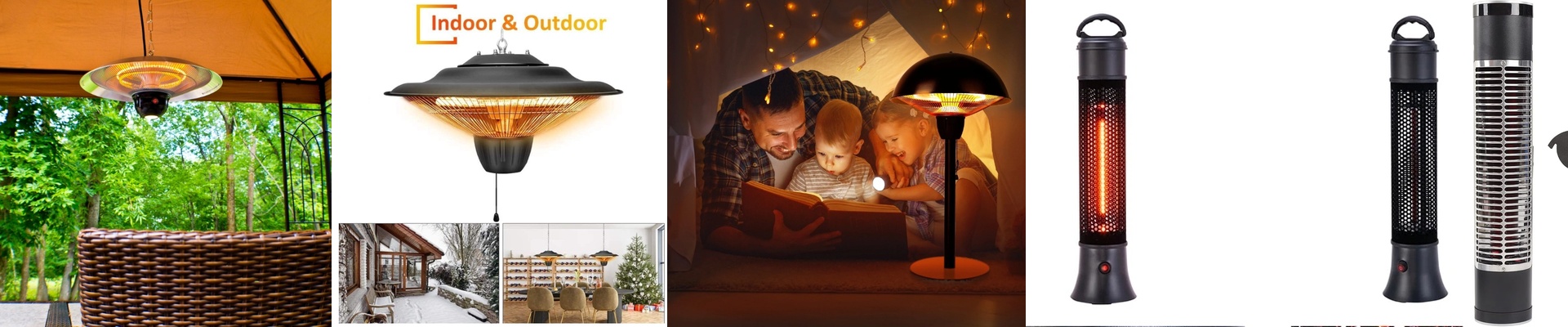
Designing infrared heaters for bathrooms is a bit of a tightrope walk. You’ve got high heat on one side and water—which loves to conduct electricity—on the other. It’s a risky mix. Usually, people point to an IP44 rating as the gold standard for splash protection. But if you’re actually building these things, you know the real headache isn’t the box—it’s the heating element itself.
Why “Explosion-Proof” Actually Matters
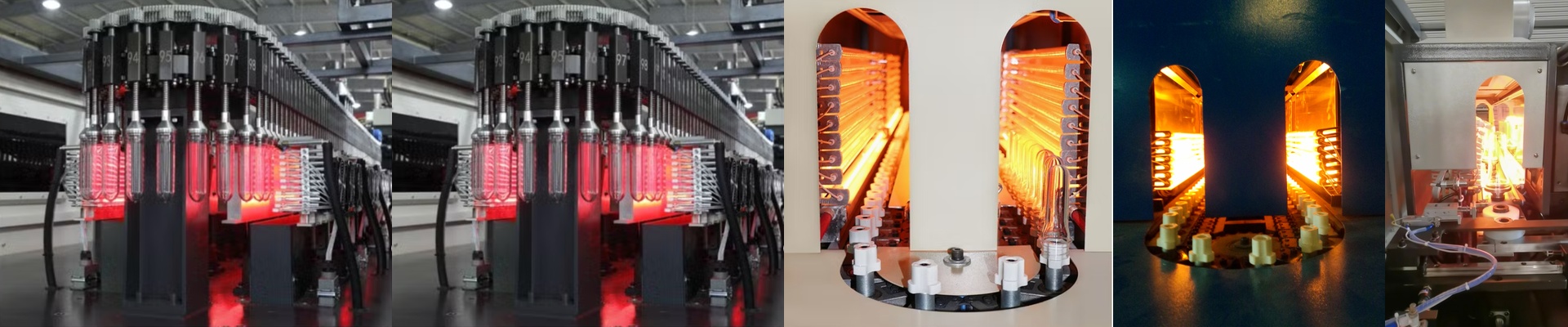
Here is the problem: standard quartz tubes hate cold water. If a stray droplet hits a scorching hot surface, the glass goes through a massive thermal shock and just… snaps. That’s why we use explosion-proof quartz. It can handle that wild jump in temperature—going from a 500°C filament to a cold splash in a split second—without cracking. And when we say “explosion-proof,” don’t picture a bomb. It’s more about structural integrity. If the glass does happen to fail, it’s designed not to burst violently. You don’t want glass shards flying across a shower.
Getting the Wiring Right
An IP44 enclosure is great for keeping out dust and random splashes, but the magic is in the details. We use sealed gaskets and moisture-resistant connectors to make sure water doesn’t creep into the live terminals and cause a short. One quick tip: watch your circuit breakers. Infrared lamps pull a lot of current the moment they kick on. If you try to cut corners with a cheap relay, the contacts will likely weld shut. Not a great look.
The Trade-offs You Should Know
I love quartz lamps because they give you heat instantly. No waiting around. But they are fragile compared to something like a ceramic heater. Even with the “explosion-proof” glass, they can’t take a hit. If someone bumps into it, it’s game over. That’s why you’ve got to tuck them into a recessed housing or put a guard over them. Also, be careful with your wattage. If you cram too much power into a tiny box, you’ll literally bake the insulation off your wires. Give the system some room to breathe and stick to the heat density specs, or you’ll be replacing the whole thing way sooner than you’d like.