
Getting More Out of Your SMF Blow Molder
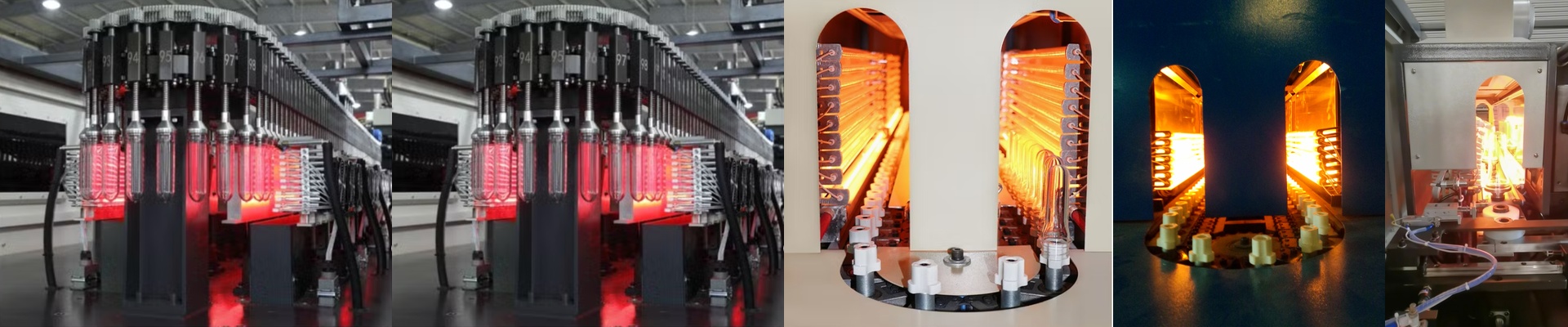
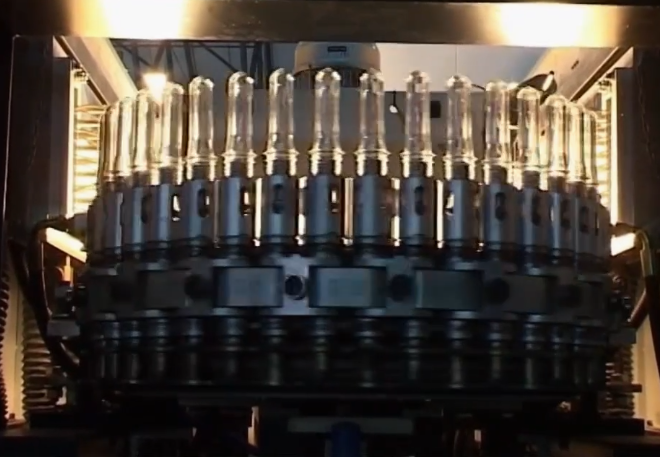
Ever notice your production slowing down for no obvious reason? You start seeing uneven heating in your preforms, and suddenly your cycle times are dragging. Usually, it’s not the machine itself. It’s the heating elements. Over time, those IR lamps just lose their punch. Instead of scrapping the whole setup, you can usually fix the bottleneck by swapping in some high-spec IR elements. It stabilizes the heat and gets things moving again. The nitty-gritty on power When you’re looking at SMF-style molders, it all comes down to how much wattage you can cram into the length of the tube. The higher that ratio, the faster your preform hits that sweet spot—the glass transition temperature. But a quick heads-up: if you go for a higher wattage lamp, don’t just plug it in and pray. Check your power supply first. You need to make sure your transformers can handle the extra current, or you’ll be spending your afternoon replacing blown fuses. Quartz, coatings, and the “cold core” We use heavy-wall quartz glass because it doesn’t bow when things get scorching hot. We also fill the tubes with halogen gas. This keeps the filament alive longer and keeps the light spectrum steady. Some of these lamps have a special coating that pushes the energy toward shortwave IR. Why does that matter? Because shortwave energy digs deeper into the PET plastic. If you’ve been struggling with a “cold core” in your thicker preforms, this is exactly how you kill that problem. Swapping them out (and what to watch for) The good news is that these are drop-in replacements. They use standard R7s or SK15 connectors, so they should slide right into your existing sockets without a fight. But here’s the catch. You can’t just crank the heat and walk away. More heat density means your plastic gets hot faster, which is great—until it starts scorching. You’ll need to tweak your conveyor speed and recalibrate your oven zones. You might also need to bump up the cooling airflow to keep the oven housing from overheating. Just make sure your venting is solid before you flip the switch.