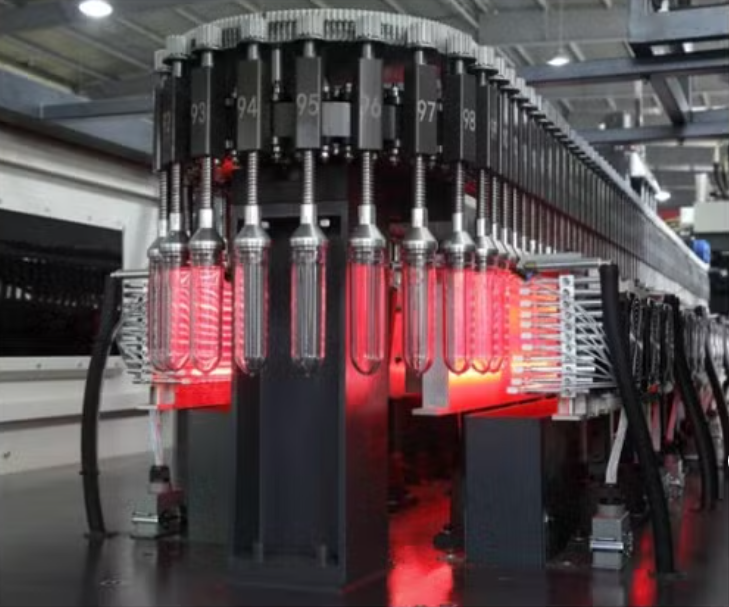
Getting Your Sidel Matrix Lamps Right
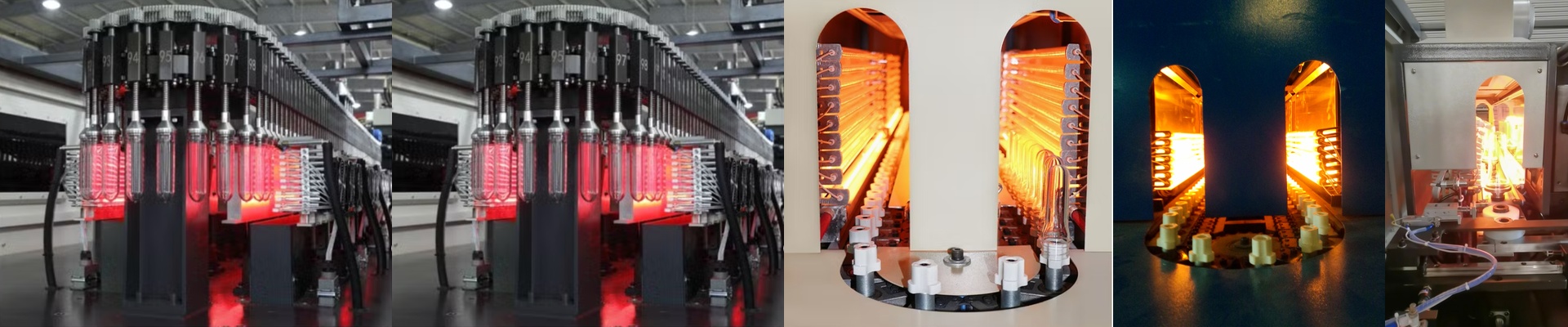
Here is the deal with swapping out OEM infrared lamps in a Sidel Matrix machine: the biggest headache is the heating curve. If the wattage is off or the spectral output drifts, your PET preforms just won’t heat up evenly. It’s frustrating, and it ruins your bottles. That’s why we built our replacement lamps to act like a mirror image of the originals. We wanted something you could just slide in and forget about.
The “Secret Sauce” of the Match
We do more than just check the length and voltage. That’s the easy part. The real work is in the heat density. Sidel Matrix systems need very specific shortwave IR emissions to actually get through the PET wall. We’ve dialed in our filaments to match the original Ohmic resistance exactly. Why does that matter? Because when your PLC sends a power signal, the lamp pulls the exact amperage it’s supposed to. You hit your target temperature without having to guess.
How They’re Actually Built
We use heavy-wall quartz glass. This is important because it stops the lamps from bowing when things get scorching hot. Depending on which Matrix generation you’re running, we use R7s or Sk15 connectors. You won’t have to mess with your sockets or rewire anything. It just fits. Then there’s the coating. We apply a precise interference coating to the quartz that filters the wavelengths. It pushes the energy right into the preform and keeps it away from the machine frame.
Using Them on the Floor
The best part? The ramp-up time is the same as the OEM parts. You don’t have to spend your entire afternoon rewriting heating profiles or obsessively tuning the oven. You just get back to production. One quick tip, though. High-wattage shortwave lamps create a ton of intense, localized heat. If your reflectors are dirty or pitted, the lamp is going to run hotter than it should. That kills the filament faster. Keep those reflectors polished. It ensures the heat goes into the plastic, not back into the lamp.