Stop Losing Money to the Winter Chill
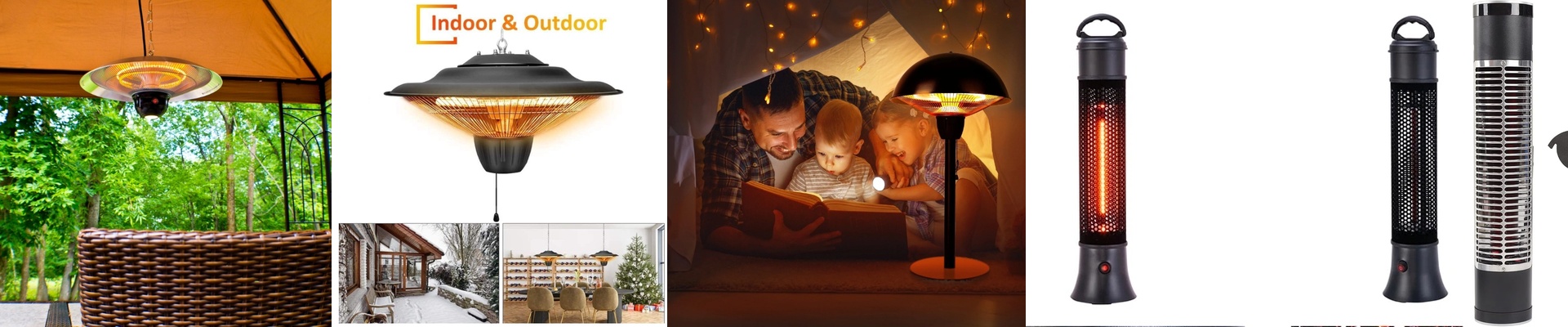
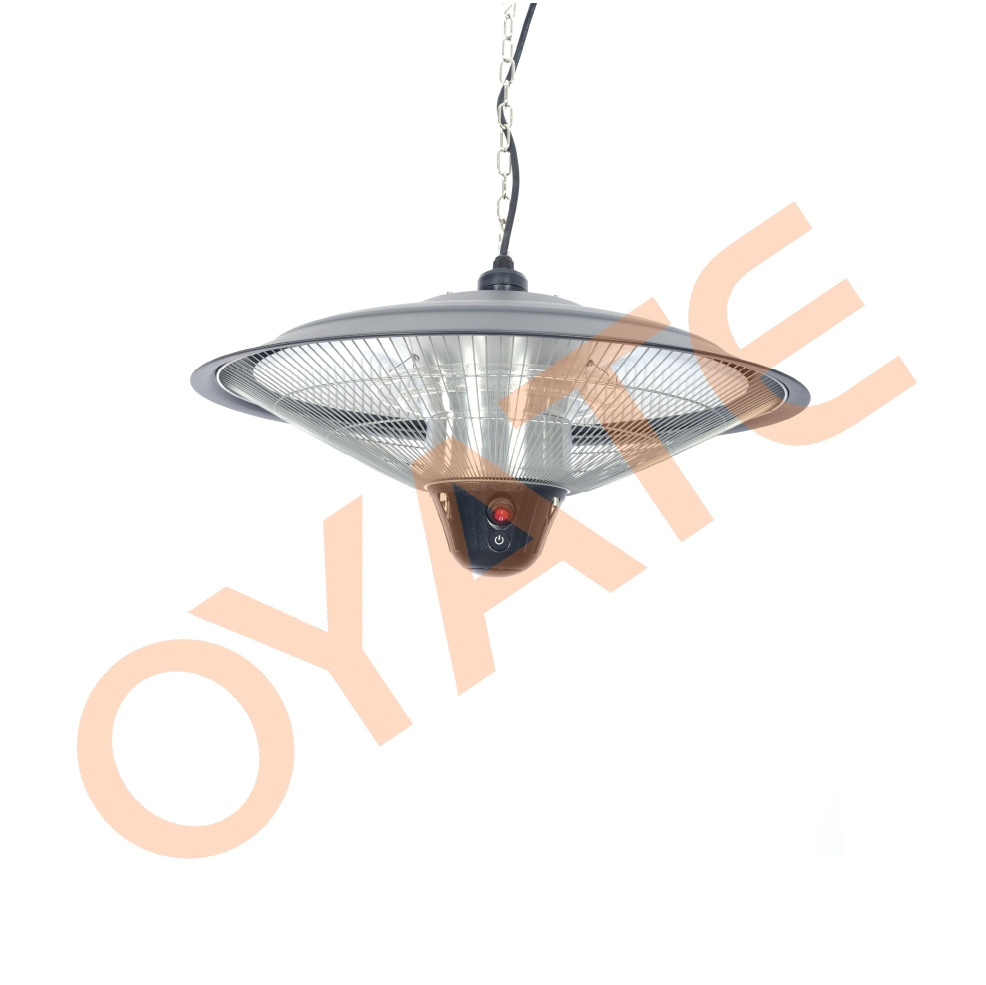
It’s frustrating. You’ve got a great outdoor space, but the moment the temperature drops, those tables stay empty. Customers look at the patio, feel a draft, and decide to sit inside—or worse, they just don’t come in at all. We fix this with shortwave infrared heaters. Here is the trick: most heaters try to warm up the air. But if there’s a breeze, that warm air just blows away. Total waste of electricity. Infrared is different. It works like the sun. It doesn’t care about the wind because it heats people and objects directly. You can be in sub-zero weather and still feel an immediate, cozy warmth the second you sit down. Why the “IP65” thing actually matters If you’re putting gear outdoors, it’s going to get hammered. Rain, snow, dust—it’s a mess. We use units rated IP65. In plain English? They’re dust-tight and can handle water jets from any direction. Cheaper gear lets moisture sneak into the electrical terminals. Then you get short circuits, the elements burn out, and you’re left with a dead heater in the middle of January. Not a great look. The secret to faster table turnover Since shortwave technology hits the guest instantly, there’s no “warm-up” period. Think about it. If a customer has to shiver for twenty minutes while the area slowly heats up, they’re going to want to leave. But when they feel that heat immediately? They relax. They linger. They’re way more likely to order that extra round of drinks or a dessert they weren’t planning on. A few things to keep in mind for the setup Now, you can’t just plug these into a regular wall outlet and call it a day. These arrays pull a lot of power. You’ll need to check your electrical panel to make sure it can handle the load. And don’t just clump them all together. If you overdo the heat density in one spot, your guests will feel like they’re sitting in an oven. It’s all about the spacing and the mounting height. You want a steady, comfortable “blanket” of warmth across the whole patio. One last tip: use high-temperature rated cabling. The emitter heads get hot, and you don’t want your insulation melting. It’s a small detail, but it’s the difference between a system that lasts for years and one that becomes a fire hazard.