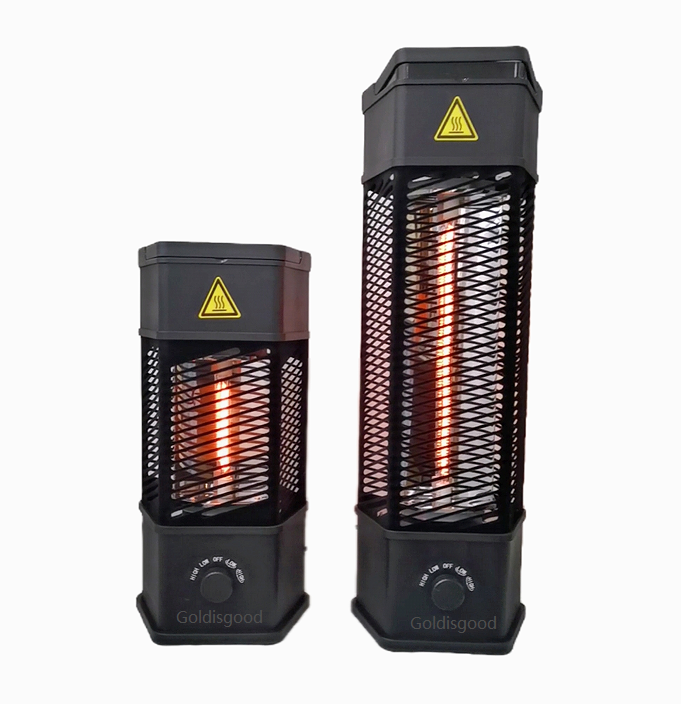
Keeping Your Bathroom Heater from Burning Out
Bathrooms are basically a nightmare for electronics. You’ve got thick steam from the shower on one side and intense heat from the heater on the other. If you’ve ever had a wall heater die on you, the culprit is usually the same: the spot where the lead wire connects to the heating element. Most cheap heaters use basic glue or some flimsy tubing to hold things together. It works for a while. But after a few hundred uses, that glue literally cooks. It cracks, peels, and leaves the wires exposed. Once that happens, steam creeps in, things start sparking, and the whole connection burns out. It’s a mess. How we actually fix it We don’t do the “cheap glue” thing. Instead, we use industrial-grade ceramic potting or glass-frit seals. Think of it as a permanent, airtight shield. It doesn’t just sit on top of the parts; it actually bonds to the quartz tube and the copper wire. We make sure these seals can handle temperatures 50°C higher than the heater even gets. That way, nothing shrinks, nothing warps, and the insulation stays put. If the seal holds, the water stays out and the electricity stays exactly where it belongs—inside the wire. One thing to watch out for There is a catch, though. Because these seals are so tough, they make the wire a bit stiff. You can’t just bend them into a sharp angle like you would with a piece of string. If you try to force a tight bend during installation, you might crack the seal or snap the internal filament. You just need to make sure there’s enough room in the housing for the wire to curve naturally. Give it some breathing room, and it’ll last for years.