Stop Losing Money Just Because It’s Cold Outside
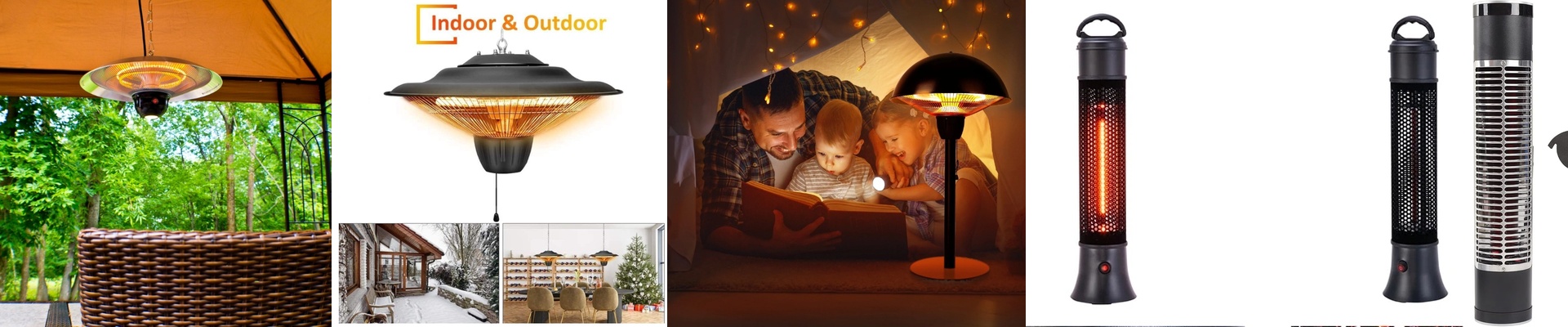
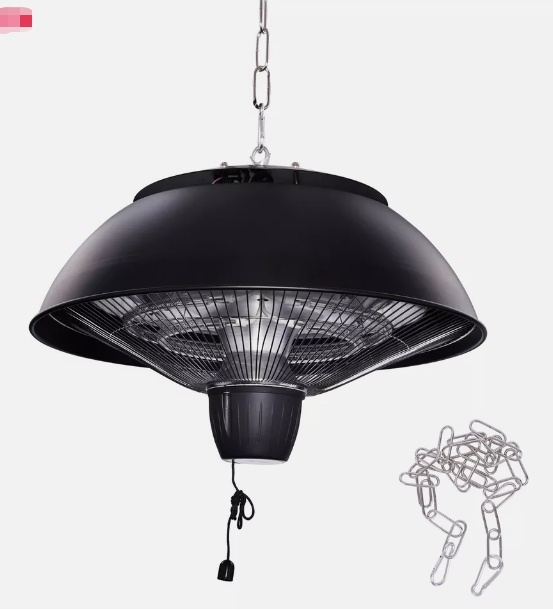
Let’s be honest: once the temperature drops, your outdoor seating usually becomes a ghost town. It’s a waste of square footage and a hit to your bottom line. We fix this with IP66-rated shortwave infrared heaters. Here is the secret: they don’t bother trying to heat the air. If you’ve ever used a forced-air heater on a breezy patio, you know the wind just carries all that warmth away. These units are different. They heat people and objects directly. It’s like sitting in the sun on a crisp October day.
Why the “IP66” Thing Actually Matters
Outdoor gear takes a beating. Between winter rain and the crew blasting the patio down with high-pressure hoses, electronics usually stand no chance. That’s where the IP66 rating comes in. It basically means the units are dust-tight and can handle a direct blast of water from any angle without breaking a sweat. We use sealed gaskets and alloys that don’t rust, so the guts of the machine stay dry. If you go with a cheaper, lower-rated heater, you’re basically signing up to replace them every single year. Not worth the headache.
Fast Heat, Faster Table Turnover
In a busy restaurant, you can’t afford a “warm-up period.” You need the heat to work the second a guest sits down. Shortwave technology does exactly that. It’s instant. When your guests feel that immediate warmth, they relax. They stay longer. They order that extra round of drinks or a dessert they weren’t planning on. Just a heads-up: pay attention to your ceiling height. The higher you mount the lamps, the more wattage you’ll need to make sure the heat actually reaches your guests’ shoulders.
A Few Tips on Setup
Before you start drilling, check your electrical panel. These arrays pull a lot of power. You’ll want a dedicated circuit so you don’t end up tripping a breaker right in the middle of the Friday night dinner rush. That’s a nightmare nobody needs. And a pro tip on placement: don’t cluster all your heaters in one spot. You’ll end up with “hot zones” where guests feel like they’re being baked, while people two feet away are shivering. Space them out. Balance the warmth. Keep your guests cozy without making them sweat.