
Why Your Workshop Heaters Keep Burning Out (And How to Fix It)
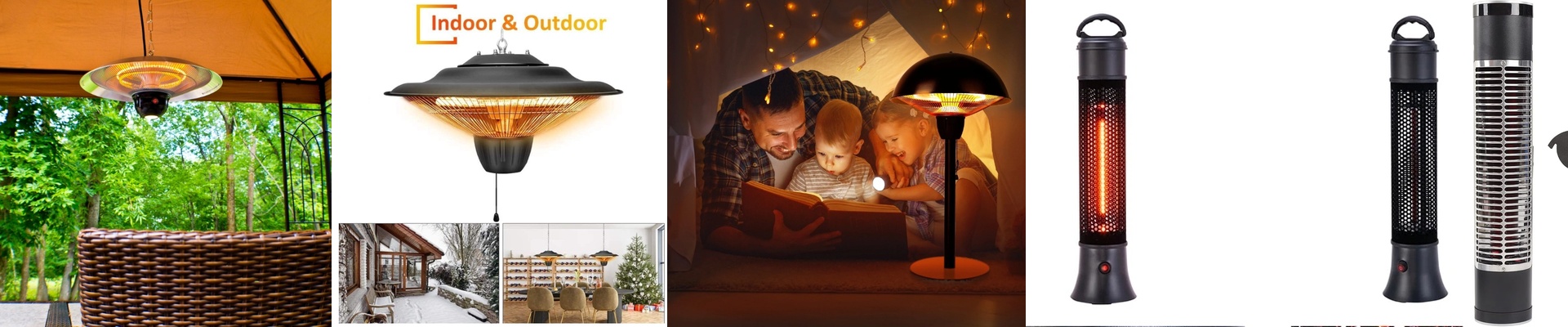
If you’ve ever had a ceiling-mounted infrared heater just quit on you, you already know the frustration. You’re halfway through a project, the shop is freezing, and suddenly—pop. Most of the time, it’s not the heating element itself that failed. It’s the lead-wire seal. Think of it as a bottleneck. You’ve got high-wattage power screaming through a wire into a quartz or ceramic tube. If that seal isn’t perfect, oxygen sneaks in. Once that happens, the internal filament oxidizes and snaps. Just like that, your heater is a paperweight.
The problem with “cheap” seals
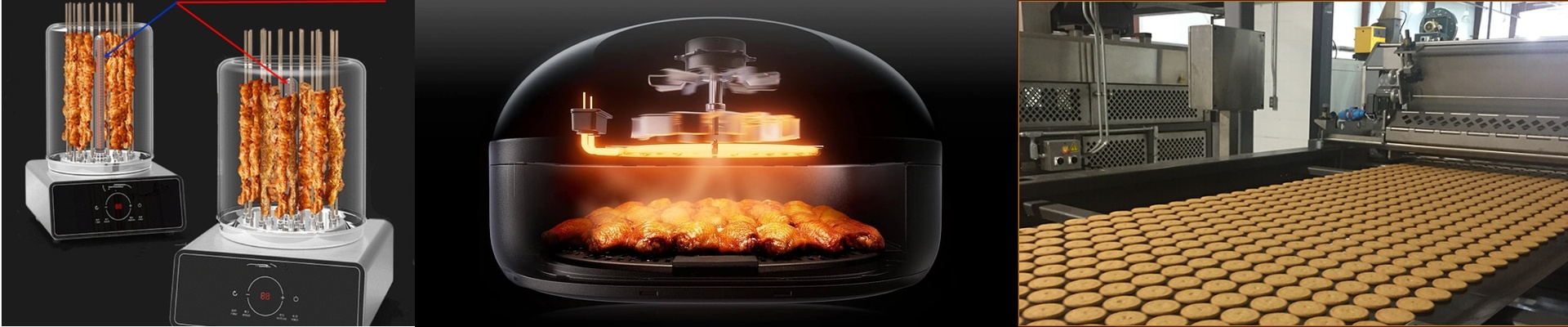
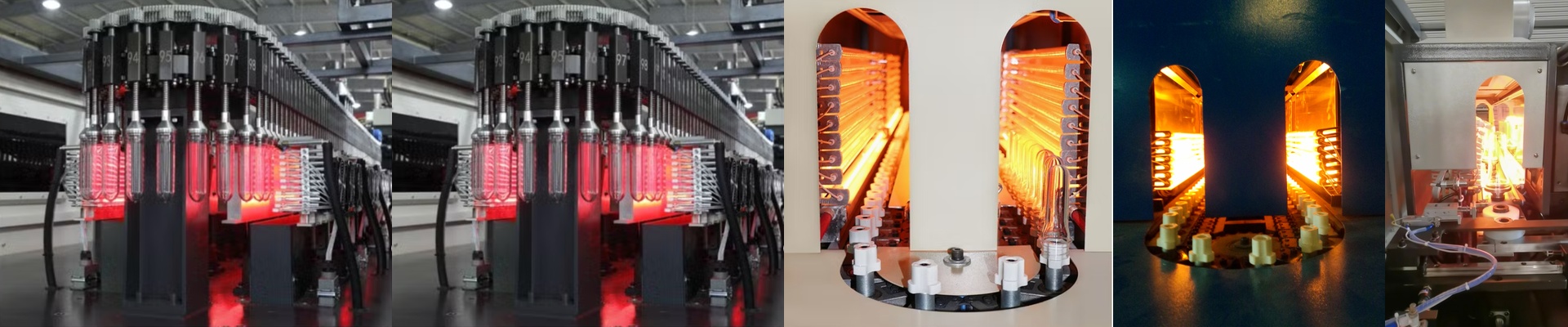
A lot of heaters on the market rely on basic glues or low-grade silicone. That stuff just can’t handle the constant cycle of heating up and cooling down. Eventually, it cracks. Once you have a crack, moisture and air get in. You’ll see carbonization, then “tracking”—where the electricity starts jumping across the insulation—and then you get a dead short. We do things differently. We use a vacuum-sealed glass-to-metal bond. It sounds fancy, but it basically just means the connection from the copper wire to the element is airtight. The halogen gas stays inside where it belongs, the filament stays stable, and the wires don’t get brittle and snap.
Don’t cut corners on the wiring
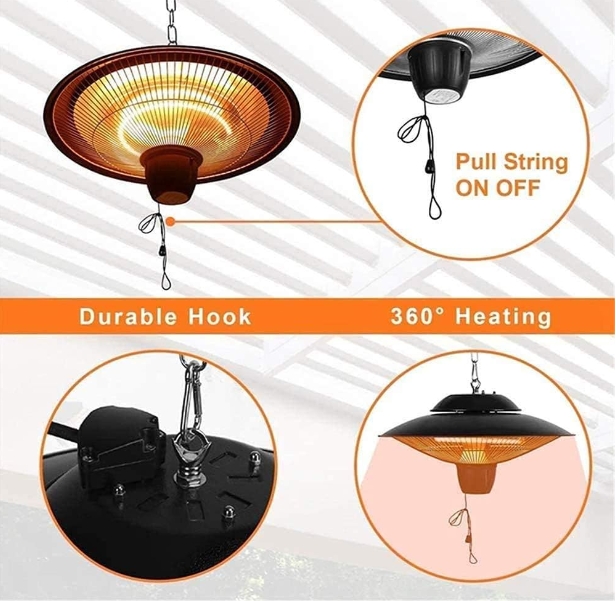
Some heaters use thin-gauge wiring that’s basically a joke. One bad bump or a bit too much heat and they’re done. We use heavy-duty, heat-resistant fluorinated polymers. They don’t melt, they don’t shrink, and they don’t freak out when the heater hits its peak temperature. **One quick tip:**check your mounting brackets. If they’re pulling or putting tension on those leads, you’re asking for trouble. Even a tiny, hairline fracture in the seal is enough to kill the lamp’s lifespan. Keep the wires slack.
Managing the heat
Here’s the thing: the more power you push, the hotter that lead-wire interface gets. In high-density setups, that spot actually runs hotter than the rest of the chassis. If you’re running at max wattage, make sure your ventilation is actually moving air away from those electrical junctions. If the heat just sits there, the insulation will fail way sooner than it should. Keep it breathing, and your gear will last.