Making Your Ceiling Heaters Actually Smart
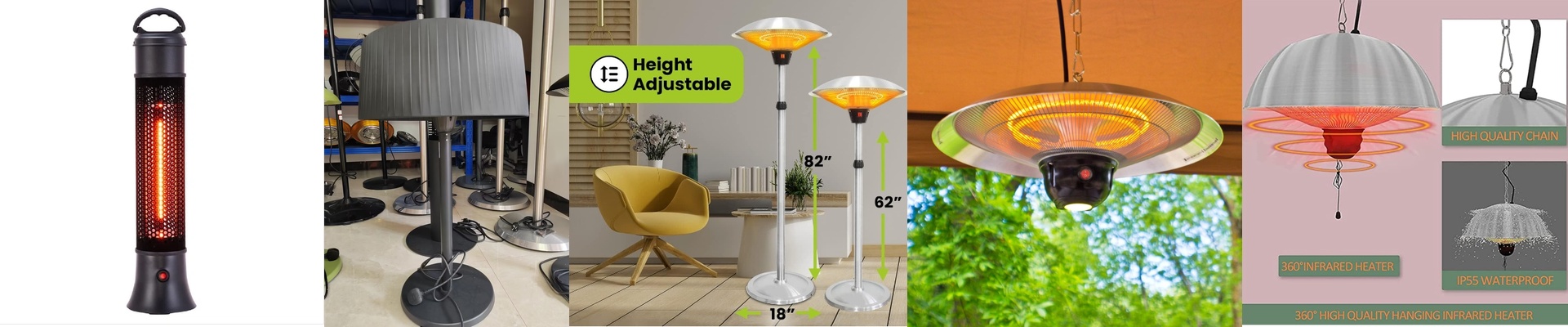
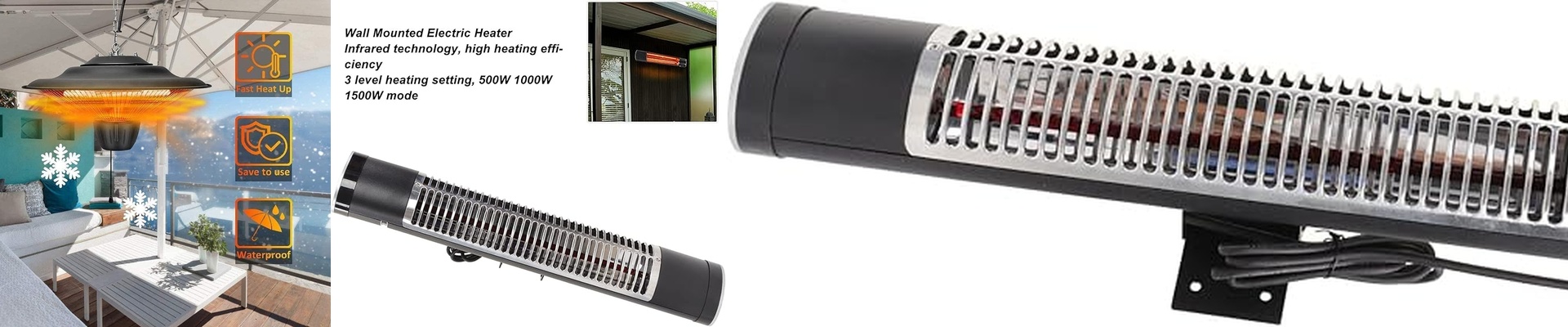
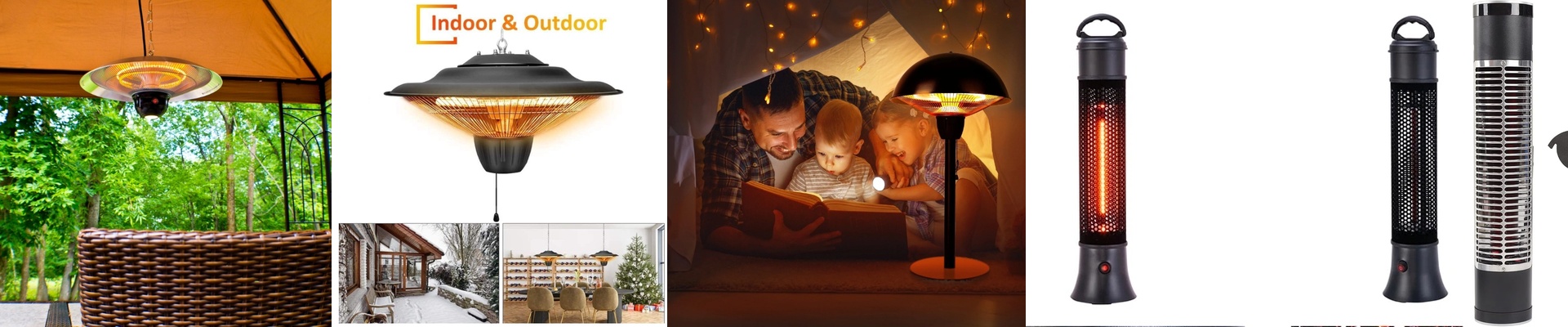
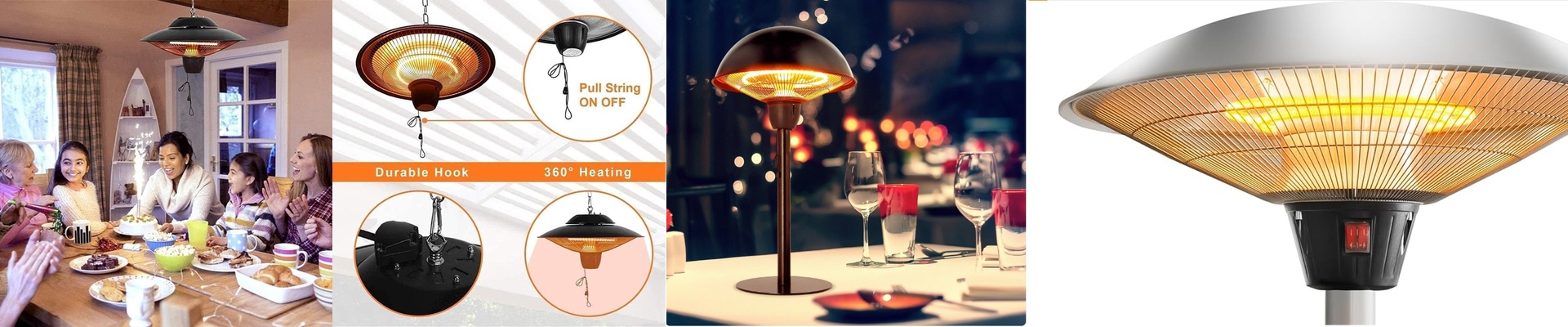
Most heaters just blow warm air around, which usually ends up floating to the ceiling while your toes stay frozen. Ceiling-mounted infrared heaters are different. They send out waves of heat that hit you and your furniture directly. It feels more like standing in the sun on a crisp October morning. But if you’re still flipping a manual wall switch to turn them on, you’re missing out. Here is how to actually hook them up to your smart home.
The Magic of Instant Heat
I prefer using short-wave infrared emitters for this. Why? Because they’re fast. Really fast. While an old-school oil radiator takes an hour to even wake up, these lamps hit peak temperature in seconds. Imagine walking into your living room, triggering a “Winter Mode” on your phone, and feeling the warmth hit your shoulders almost instantly. Behind the scenes, your smart hub just sends a quick signal to a heavy-duty relay. That closes the circuit, the quartz tubes glow, and you’re warm. Simple.
Getting the Hardware Right
Here is where people usually mess up: you can’t just plug a high-voltage heater into a tiny smart controller. You’ll fry the thing. Since these heaters usually run on 110V or 220V, you need a bridge. I always use heavy-duty contactors. They can handle the big electrical load without welding themselves shut. If you want to get fancy, you can use something called PWM via solid-state relays. Basically, this lets your smart home “dim” the heat. Instead of just being “on” or “off,” the system can throttle the power based on a sensor. Once the room hits 22°C, it dials back the intensity so you don’t bake yourself alive.
A Few Things to Watch Out For
It sounds perfect, but there are a couple of catches. First, the power spike. When a bunch of these heaters kick in at once, they pull a massive amount of current. If you haven’t sized your breakers and wiring for that peak load, you’ll be tripping your mains every time you try to get cozy. Not a great look. Then there’s the “hot spot” problem. Since the heat comes from the ceiling, it’s strongest right underneath the unit. If you put your thermostat right under the heater, it’ll think the room is a sauna and shut off while the corners of the room are still freezing. You have to be smart about where you place your sensors. Put them where you actually sit, not where the heater is.